
 By
By 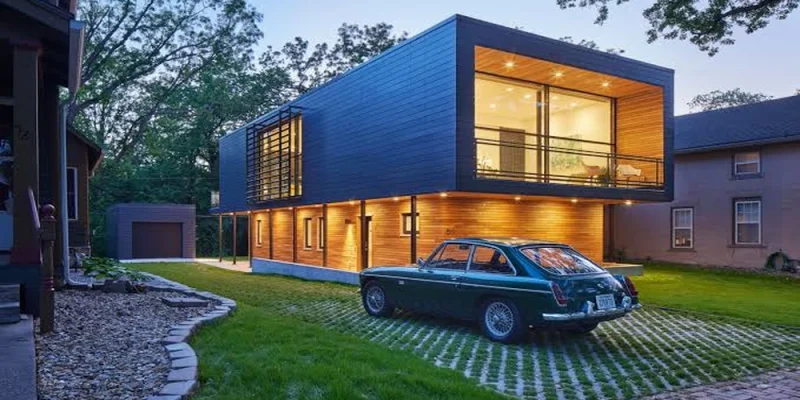
An energy-efficient home is not simply a house with energy-saving appliances. Its design should reduce the amount of energy needed for heating, cooling, lighting, and everyday comfort from the start. The best results come from making the building envelope work with the local climate, rather than relying on mechanical systems to correct poor design choices. Here are four practical ways to create a home that uses less energy without sacrificing comfort.
Invest in Energy-Efficient Windows
Windows can be one of the weakest points in a home’s thermal envelope. Older or poorly installed windows allow conditioned air to escape and outdoor temperatures to affect indoor comfort. When choosing replacements, look beyond appearance and consider factors such as low-emissivity (Low-E) coatings, multiple glazing layers, insulated frames, and the window’s overall U-factor and solar heat gain coefficient.
The right specifications depend on your climate and the home’s orientation. In colder areas, well-insulated windows can reduce heat loss, while properly selected glazing can help control unwanted solar heat during warmer months. Installation matters just as much as the window itself. Even a high-performance product can underperform if gaps around the frame allow air leakage. For homeowners planning custom window installation Utah, professional fitting can help ensure the windows are properly sealed and integrated with the surrounding wall assembly.
Build a Strong Thermal Envelope
A home’s walls, roof, foundation, doors, and windows should work together as a continuous thermal barrier. Adding insulation only where it is convenient can leave weak points where heat moves through the structure. Pay particular attention to the attic or roof assembly, exterior walls, floors above unconditioned spaces, and areas around doors and windows.
Air sealing is equally important. Small gaps around electrical penetrations, plumbing, recessed lights, ductwork, and framing can create significant leakage over time. A blower-door test can identify these problem areas before they become expensive sources of energy loss. Combining adequate insulation with careful air sealing creates a home that is easier to heat and cool.
Design Around the Sun and Local Climate
Energy efficiency should influence the home’s layout before construction begins. Window placement, roof design, shading, and building orientation can all affect how much heating and cooling the house requires.
In colder climates, appropriately positioned windows can capture useful winter sunlight, while roof overhangs and exterior shading can limit excessive summer heat. In warmer regions, minimizing direct afternoon sun on large glazed areas can reduce cooling demand. Landscaping can also contribute: strategically placed trees and other vegetation can provide shade without blocking desirable winter sunlight.
Choose Efficient Heating, Cooling, and Lighting Systems
Once the building envelope is efficient, select mechanical systems that match the home’s actual energy needs. An oversized heating or cooling system may cycle on and off too frequently, reducing efficiency and comfort. A properly sized heat pump, high-efficiency HVAC system, or other suitable technology can deliver the required performance without unnecessary energy consumption.
Lighting deserves attention too. LED fixtures use substantially less electricity than traditional incandescent bulbs and last longer. Pairing efficient lighting with daylighting, occupancy sensors, and smart controls can further reduce electricity use while keeping rooms comfortable and functional.
Final Thoughts
Designing an energy-efficient home is ultimately about reducing waste before it happens. High-performance windows, a well-sealed thermal envelope, climate-conscious design, and appropriately sized systems can work together to lower energy demand and improve indoor comfort. Rather than adding efficiency as an afterthought, treating it as a core part of the home’s design can produce savings and performance benefits for years to come.










Comments