
 By
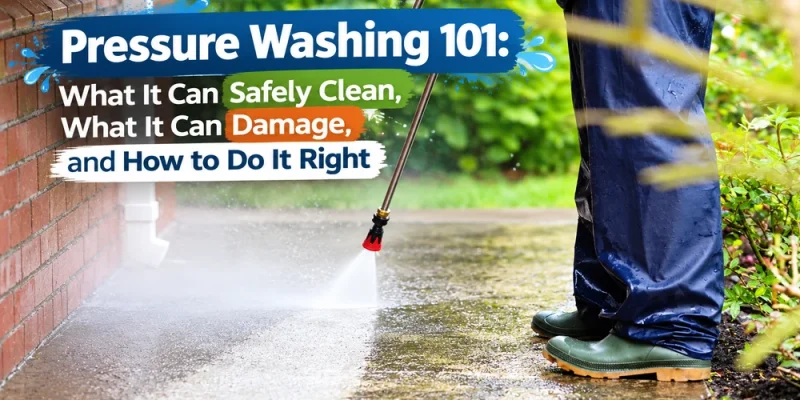
Few home maintenance jobs deliver such a dramatic before-and-after as a good pressure wash. A grimy driveway turns pale gray again, a mossy walkway shows its original color, and a dingy fence looks refreshed. But the same tool that restores a surface can also gouge wood, strip paint, and force water behind siding if it’s used carelessly.
If you’re researching Pressure Washing San Francisco options, it helps to understand how the process actually works and which surfaces tolerate it. This guide covers the essentials.
How Pressure Washing Works
A pressure washer uses a pump to force water through a narrow nozzle at high speed. Two numbers matter:
- PSI (pounds per square inch) measures the force of the water
- GPM (gallons per minute) measures the volume, which affects how quickly dirt is carried away
The nozzle tip changes the spray pattern. Narrow tips, such as 0 or 15 degrees, concentrate force and can cut into a surface. Wider tips, such as 25, 40, or soft-wash tips, spread the force out and are safer for delicate materials.
Why Coastal Climates Create Stubborn Grime
Foggy, damp, salt-influenced air is particularly good at growing and depositing grime. Surfaces that stay damp often develop:
- Algae and mildew, seen as green or black streaks
- Moss and lichen, especially in shaded areas
- Salt and mineral film, which dulls finishes
- Traffic grime and soot, which settle into porous surfaces
- Oil and grease on driveways and garage floors
Moisture also keeps these growths alive, so they return if the underlying cause isn’t addressed.
Surfaces That Handle Pressure Well
Hard, dense surfaces generally tolerate higher pressure:
Concrete driveways, patios, and walkways. These respond well to stronger settings, though you should keep the nozzle moving and maintain an even distance to avoid streaking.
Brick and pavers. Use moderate pressure and keep the nozzle at a consistent angle. Too much force can erode mortar joints and loosen sand between pavers.
Metal and vinyl fencing. Usually fine with moderate pressure.
Surfaces That Need a Gentle Touch
Some materials are easily damaged and call for lower pressure or a different method:
Wood decks and fences. High pressure can splinter wood fibers, leaving a rough, fuzzy surface and creating grooves. Use low pressure, a wide tip, and move with the grain.
Painted surfaces. Old or flaking paint can peel off in sheets under strong spray.
Stucco. Common on many homes, stucco can crack or erode. A low-pressure rinse with an appropriate cleaner is usually better.
Siding. Water forced upward under lap siding can get behind it and lead to moisture problems. Spray downward at a moderate angle.
Windows and screens. Seals and screens are easily damaged by strong spray.
Roofs. Pressure washing most roofing materials is a bad idea. It can strip granules from asphalt shingles and shorten the roof’s life. Soft-washing methods are generally safer.
Pressure Washing vs. Soft Washing
Soft washing uses low pressure combined with a cleaning solution to break down algae, mildew, and moss. The solution does the cleaning work rather than force. It’s often a better fit for roofs, siding, stucco, and other delicate surfaces. Pressure washing is better suited to concrete and other hard surfaces where mechanical force is needed to dislodge dirt.
Step-by-Step Approach
If you plan to clean a driveway or patio yourself:
- Clear the area. Move furniture, planters, and vehicles. Cover nearby plants and outlets.
- Sweep first. Removing loose debris prevents it from being driven into the surface.
- Pre-treat stains. Apply a suitable degreaser to oil spots or a cleaner to mildew, and let it dwell as directed.
- Test a small area. Start with a wide tip and low pressure, then adjust if needed.
- Work in overlapping strips. Keep the wand at a consistent distance, usually 8 to 12 inches for concrete.
- Rinse thoroughly. Wash loosened dirt and cleaner away from the house and toward a suitable drainage area.
- Allow drying. Then consider sealing porous surfaces to slow future staining.
Water Runoff and Environmental Responsibility
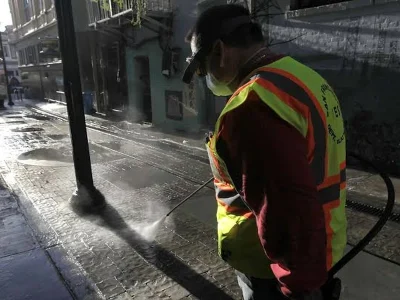
Where the wash water goes matters. Water carrying detergents, oil, or heavy sediment shouldn’t be allowed to flow freely into storm drains, which often lead directly to local waterways. Many cities have rules about this, so check your local regulations. Practical steps include:
- Using biodegradable, appropriate cleaners and using them sparingly
- Directing water to landscaped or permeable areas where allowed
- Using berms or wet vacuums to capture runoff from oily areas
- Avoiding washing when heavy rain is forecast
Professionals who work in your area should know and follow these requirements.
Safety Tips
Pressure washers are more dangerous than they look. A concentrated jet can cause serious injuries, including deep cuts and injection injuries. Always:
- Wear eye protection, closed-toe shoes, and gloves
- Never point the wand at people or pets
- Keep a firm stance and brace for the trigger kickback
- Use a ladder carefully, since the recoil can throw you off balance
- Keep electrical connections dry and use GFCI outlets
When to Hire a Professional
Doing a small patio yourself is reasonable. Consider hiring someone for:
- Multi-story homes and anything requiring tall ladders
- Roofs, stucco, and delicate siding
- Large driveways or commercial properties
- Heavy staining or biological growth you can’t remove
- Situations where runoff control is complicated
If you hire out the work, ask about their experience, insurance, equipment, and how they manage water runoff.
Keep Surfaces Clean Longer
Cleaning is only half the job. Trim back vegetation that shades surfaces, improve drainage where water pools, and wash regularly before buildup becomes heavy. Sealing concrete, pavers, and wood can reduce how quickly dirt and algae take hold. Used thoughtfully, pressure washing is an effective way to protect your property and keep it looking cared for.











Comments