
 By
By 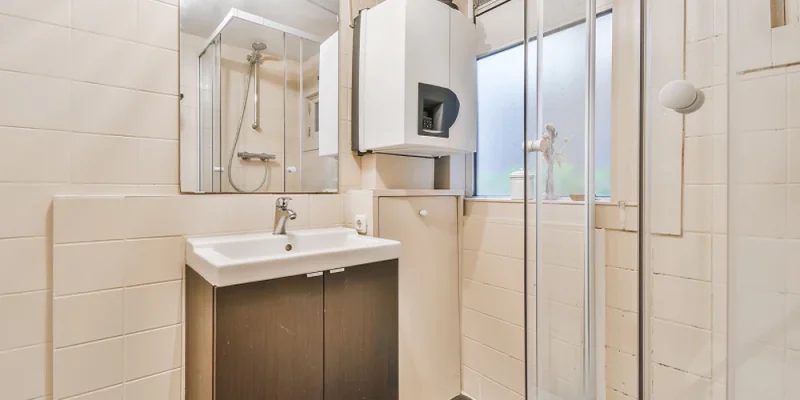
Key Highlights
- Calculate capacity based on the total number of users in your household.
- Consider your daily habits, such as back-to-back showers or large bathtub usage.
- Assess the available installation space to ensure the unit fits safely.
- Evaluate the recovery rate to understand how quickly the water reheats.
Introduction
Selecting the right heating solution for your home involves more than just picking a reputable brand. When you explore the market for electric storage water heaters, the most critical decision involves choosing the correct capacity. An undersized unit often leads to frustrating cold showers, while an oversized tank results in unnecessary energy expenditure. Striking the perfect balance ensures that every family member enjoys a consistent supply of hot water without inflating your monthly utility bills. By understanding your household’s unique consumption patterns, you can make an informed investment that enhances your daily comfort and long-term convenience.
Assessing Household Size and Occupancy
The primary factor in determining the ideal capacity for electric storage water heaters is the number of people living in your home. Typically, a small household of one or two people might find a 15 to 30-litre tank sufficient for basic needs. However, as the family grows, so does the demand for hot water. For a family of four, a capacity of 40 and 60 litres is generally recommended to prevent the supply from running dry during peak hours. Choosing a slightly larger tank than currently required can provide a safety margin that accommodates life’s changes without requiring a premature appliance upgrade.
Evaluating Usage Habits and Peak Demand
Beyond the number of occupants, your specific daily routines play a massive role in selecting electric storage water heaters. If your family members tend to take showers one after another in the morning, the peak demand on the tank is significantly higher. Similarly, if you frequently use a large bathtub or a rain showerhead, you will deplete the stored hot water much faster than using standard low-flow fixtures. You should calculate the total volume of water used during your busiest hour of the day. This data helps you choose a unit that can handle the simultaneous or consecutive use of showers, sinks, and kitchen taps without a drop in temperature.
Measuring Physical Installation Space
Before purchasing a heater, you must verify the physical constraints of your bathroom or utility area. Water heater suppliers have products that come in various shapes, including horizontal, vertical, and slim designs, to fit different architectural layouts. If you live in a flat with limited ceiling height or narrow cupboard space, a slimline model might be the only viable option. It is vital to measure the area accurately and ensure there is enough clearance for pipes, valves, and future maintenance access. A large tank is useless if it cannot be safely mounted or if it obstructs other fixtures. Always consult with a professional installer to confirm that your preferred model fits your structural requirements.
Understanding Recovery Rates and Efficiency
The recovery rate is the amount of water the unit can heat in a specific timeframe after the initial tank has been emptied. If you choose one of the higher-quality electric storage water heaters, you will likely benefit from faster recovery times. This is particularly important for active households where water usage is spread throughout the day. A unit with a high-wattage heating element and superior insulation will not only heat water faster but also retain that heat for longer periods. This efficiency reduces the frequency at which the heater needs to cycle on, which ultimately protects the internal components from excessive wear and maintains your electricity consumption within a reasonable range.
Conclusion
Finding the right size for your water heating system is a balance of capacity, space, and efficiency. By carefully evaluating how many people live in your home and how they use hot water, you can avoid the twin pitfalls of inadequacy and waste. Electric storage water heaters remain a reliable staple for modern homes, providing the consistent warmth required for hygiene and comfort. Taking the time to measure your space and understand recovery rates ensures that your chosen appliance serves your family faithfully for many years. When you prioritise these factors, you secure a domestic environment that is both functional and energy-conscious.
To find the perfect water heating solution for your home, contact KDK today to explore our high-quality range of appliances.








Comments