
 By
By 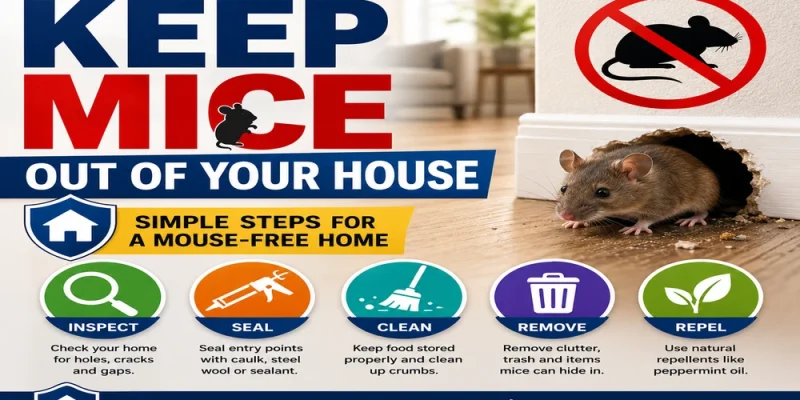
Mice can get into a house through surprisingly small gaps, then quickly turn a minor entry problem into a bigger infestation. You may first notice scratching sounds at night, droppings in a cupboard, chewed food packaging, or a faint musty smell. By the time you see a mouse, there may already be more hiding nearby.
The good news is that you can prevent mice from entering your house by focusing on three things: blocking entry points, removing food and water sources, and making indoor and outdoor areas less attractive to rodents.
Knowing how mice enter your home is just as important as knowing how to get rid of them. Mice can squeeze through openings around pipes, doors, vents, foundations, roofs, and utility lines. They can also take advantage of clutter, spilled food, overflowing garbage, and gaps around the garage.
This guide explains how to keep mice out of your house, how to find common entry points, what attracts mice, and what to do if you already suspect an infestation.
The most effective way to keep mice out is to prevent them from getting inside in the first place. Start with a careful inspection of your home’s exterior, then seal openings and remove anything that provides food, water, or shelter.
Focus on these areas first:
- Gaps around doors and windows
- Cracks in the foundation
- Openings around pipes and cables
- Garage doors and attached garages
- Roof vents and soffits
- Basement windows
- Crawl spaces
- Dryer and exhaust vents
- Gaps around utility lines
- Damaged screens and vents
Mice can fit through openings that look insignificant, so do not ignore small gaps.
Seal Small Gaps and Cracks
One of the most important steps in mouse prevention is sealing potential entry points.
Inspect the outside of your house during daylight. Look closely around the foundation, basement, garage, doors, windows, and areas where pipes or electrical cables enter the building.
For small cracks, use an appropriate sealant. For larger openings, use durable materials such as metal mesh or hardware cloth combined with a suitable sealant.
Do not rely on expanding foam alone for larger mouse entry points. Mice can chew through many soft materials.
Pay particular attention to places where different building materials meet. A small gap between siding and the foundation, for example, can give rodents an easy route inside.
Check Your Doors and Windows
A door that does not close tightly can create an easy entry point.
Check the bottom of exterior doors for visible gaps. Install or replace door sweeps where necessary, and make sure the garage door closes properly against the floor.
Windows should also have intact screens and tight seals. Basement windows deserve extra attention because they are often close to the ground and can provide easy access.
If you can see daylight underneath an exterior door, investigate the gap rather than assuming it is harmless.
Keep Your Kitchen Clean
Food is one of the biggest reasons mice enter homes.
Mice do not need large amounts of food to survive. Small crumbs, spilled grains, pet food, and food residue can be enough to attract them.
Store cereals, rice, flour, pasta, snacks, and other dry goods in sealed containers. Avoid leaving food in open bags or cardboard boxes.
Clean counters and floors regularly, especially after preparing meals. Empty indoor garbage frequently and keep outdoor garbage containers closed.
Do not forget less obvious food sources. Pet food, birdseed, compost, and food stored in garages can all attract rodents.
Store Food in Sealed Containers
Cardboard and thin plastic packaging do not provide much protection from mice.
Use sturdy containers with tight-fitting lids for foods that you keep for long periods. This is especially useful for:
- Rice
- Flour
- Cereal
- Pasta
- Nuts
- Seeds
- Pet food
- Baking ingredients
- Dry snacks
Keeping food sealed also makes it easier to notice if something has been disturbed.
If you discover chewed food packaging, do not simply throw away the damaged package and move on. Look for other signs of mouse activity nearby.
Remove Sources of Water
Mice need water, so reducing available moisture can make your home less attractive.
Check underneath sinks, around toilets, near appliances, and in basements for leaks. Repair dripping faucets and leaking pipes when possible.
Condensation around pipes and appliances can also create moisture. Keep damp areas dry and improve ventilation where needed.
Outside the house, avoid leaving water in containers, buckets, or other objects that collect rainwater.
Water alone may not cause a mouse problem, but when food, shelter, and water are available together, your property becomes much more attractive to rodents.
Keep Your Garage and Basement Tidy
Garages, basements, sheds, and storage rooms can provide excellent hiding places for mice.
Boxes stacked against walls create dark, protected areas where mice can nest. Old furniture, unused appliances, piles of paper, fabric, and other stored materials can also provide shelter.
Store items off the floor where practical and avoid creating large piles of clutter.
When organizing a basement or garage, leave some space around walls so you can inspect them easily. This makes it much easier to spot droppings, holes, nesting material, or other signs of activity.
Keep Mice Out of Your Garage
Attached garages can provide a direct route into your house.
Check the garage door seal and inspect the corners of the garage carefully. Look around electrical conduits, pipes, vents, and the wall shared with your home.
Do not store open bags of birdseed, grass seed, pet food, or other food products in the garage.
Clean up spilled material promptly and keep garbage containers securely closed.
A garage may feel separate from your living space, but rodents can move from a garage into wall cavities and other parts of the house.
Trim Vegetation Around Your House
Outdoor landscaping can sometimes provide mice with shelter close to your home.
Keep grass reasonably maintained and trim dense vegetation near exterior walls. Avoid allowing piles of leaves, wood, cardboard, or other materials to build up directly beside the house.
Firewood should be stored away from the exterior walls and raised off the ground where practical.
The goal is not to remove every plant from around your house. Instead, reduce sheltered areas where rodents can hide close to potential entry points.
Clean Up Outdoor Food Sources
Mice can be attracted to food outside before they ever enter your home.
If you feed birds, use feeders carefully and clean up spilled seed. Store birdseed in sealed containers.
Keep garbage lids closed and clean containers if food residue builds up inside them.
If you have fruit trees, collect fallen fruit rather than allowing it to remain on the ground for long periods.
Pet food should also be stored securely and should not be left outside overnight.
How to Tell If Mice Are Getting Into Your House
Mice are often active at night, which means you may not see them directly.
Common signs include:
- Small dark droppings
- Scratching sounds inside walls
- Gnaw marks on food packaging
- Shredded paper or fabric used as nesting material
- Greasy marks along walls or baseboards
- A stale or musky odor
- Holes or damage around potential entry points
- Food that appears disturbed
Mouse droppings are often found near food storage areas, behind appliances, inside cabinets, in basements, and along walls.
If you repeatedly find fresh signs, the problem may be active even if you have not seen a mouse.
Where Do Mice Usually Hide?
Mice prefer quiet, dark areas where they are unlikely to be disturbed.
Common hiding places include wall cavities, basements, attics, cabinets, garages, storage rooms, and spaces behind appliances.
They often travel along walls instead of crossing open areas. This behavior makes gaps along baseboards, behind cabinets, and around pipes particularly important to inspect.
If you hear scratching inside a wall, do not assume the problem will disappear on its own. Investigate nearby entry points and signs of mouse activity.
What Attracts Mice to a House?
Mice are mainly attracted by easy access to food, water, and shelter.
Common attractants include:
- Unsealed food
- Pet food
- Birdseed
- Garbage
- Food crumbs
- Compost
- Leaking pipes
- Clutter
- Wood piles
- Dense vegetation
- Openings that provide protected shelter
A clean home can still have mice if there are gaps that allow them to enter. Cleaning is important, but it should be combined with exclusion and regular inspections.
Do Mice Come Inside During Cold Weather?
Yes. Mice often seek warmer, protected places when outdoor conditions become less favorable.
Your house provides shelter, food, and relatively stable temperatures. Small openings around the foundation, garage, roofline, doors, and utility lines can give them access.
That is why mouse prevention should happen before you notice indoor activity. Sealing entry points is generally easier than dealing with an established infestation.
Should You Use Mouse Traps?
Traps can help when mice are already inside, particularly when you have identified areas with signs of activity.
Place traps where mice are likely to travel, such as along walls and near evidence of activity. Follow the manufacturer’s instructions and keep traps away from children and pets.
Trapping, however, does not solve the underlying problem if mice can continue entering the house.
If you catch a mouse but continue finding fresh droppings, scratching sounds, or new damage, inspect the property for additional entry points.
Are Mouse Repellents Effective?
Many products claim to repel mice using sounds, scents, or other methods. Their effectiveness can vary, and they should not replace physical exclusion.
The most dependable prevention strategy is straightforward: find where mice are entering and seal those openings.
You should also remove accessible food and water and reduce outdoor shelter around the house.
If you already have an infestation, focus on removing the cause rather than relying entirely on a product that promises to make mice disappear.
When Should You Call a Pest Control Professional?
Professional help may be appropriate when you continue seeing signs despite your prevention efforts, hear rodents inside walls or ceilings, find repeated droppings, or cannot locate where the mice are entering.
If the problem keeps returning or you suspect a larger infestation, working with a professional can help identify the source and deal with the issue properly. Homeowners looking for Pest Control in Toronto can turn to Saniiq for professional help with identifying entry points and controlling ongoing pest activity.
A professional can inspect areas that are difficult to access and identify potential entry points and conditions that encourage rodent activity.
Professional pest control can be especially useful when several areas of the house show signs of activity or when the problem keeps returning.
The goal should not simply be to remove the mice you can see. A proper solution should also address how they gained access in the first place.
How to Prevent Mice From Coming Back
Once you have dealt with mouse activity, continue checking your home regularly.
Inspect exterior walls and the foundation for new cracks. Check door sweeps, window screens, vents, and areas around pipes.
Keep food in sealed containers and clean up crumbs promptly. Maintain the garage and basement so that clutter does not create hidden nesting areas.
It is also worth checking your property after storms, construction work, renovations, or other events that may create new gaps.
Mouse prevention works best as an ongoing habit rather than a one-time project.
A Simple Mouse Prevention Routine
A few minutes of regular maintenance can help prevent larger problems.
Every week, check your kitchen and storage areas for food spills and damaged packaging. Keep garbage closed and clean up pet food.
Every month, inspect the garage, basement, and exterior walls for gaps, clutter, or signs of rodents.
Before colder weather arrives, pay particular attention to doors, foundations, vents, utility openings, and other possible entry points.
If you notice new droppings or scratching sounds, investigate promptly rather than waiting for the problem to become obvious.
Frequently Asked Questions
What is the best way to keep mice out of your house?
The best approach is to seal entry points, remove accessible food and water, reduce outdoor shelter, and inspect your property regularly for signs of rodent activity.
What smell keeps mice away?
Some strong scents may temporarily discourage mice, but scents should not be considered a reliable prevention method. Sealing holes and removing food sources are more dependable ways to keep mice out.
How small of a hole can a mouse fit through?
Mice can squeeze through surprisingly small openings, so even a gap that looks insignificant should be inspected and sealed if it could provide access.
Why do I keep getting mice in my house?
Repeated mouse problems usually mean there is an accessible food source, shelter, or entry point. Look for gaps around the foundation, doors, pipes, vents, garages, and utility lines.
How can I keep mice out of my house naturally?
Start by sealing gaps, storing food securely, cleaning up crumbs, controlling garbage, removing outdoor food sources, and reducing clutter and shelter around your property.
Will keeping my house clean prevent mice?
Cleaning helps reduce food sources, but it cannot prevent mice if they can enter through gaps. Good housekeeping should be combined with sealing and exterior maintenance.
Should I be worried if I see one mouse?
Seeing one mouse does not always mean you have a large infestation, but it is worth investigating. Look for droppings, nesting material, gnaw marks, and possible entry points.
Conclusion
Learning how to keep mice out of your house is mainly about making your property difficult to enter and less attractive to rodents. Start by inspecting the exterior, sealing gaps, checking doors and windows, and securing food and garbage.
Do not overlook garages, basements, storage areas, vents, and openings around pipes or utility lines. These areas can provide easy access and hidden shelter.
If you already see repeated signs of mice, prevention alone may not be enough. Address the current activity and identify how the mice are getting inside. Taking action early can help prevent a small rodent problem from becoming a larger and more difficult infestation.
For homeowners dealing with a recurring pest problem, Saniiq’s pest control services can provide professional assistance with identifying and addressing pest activity.
For homeowners, the simplest rule is this: block their entry, remove their food and shelter, and investigate signs of activity before the problem grows.













Comments