
 By
By 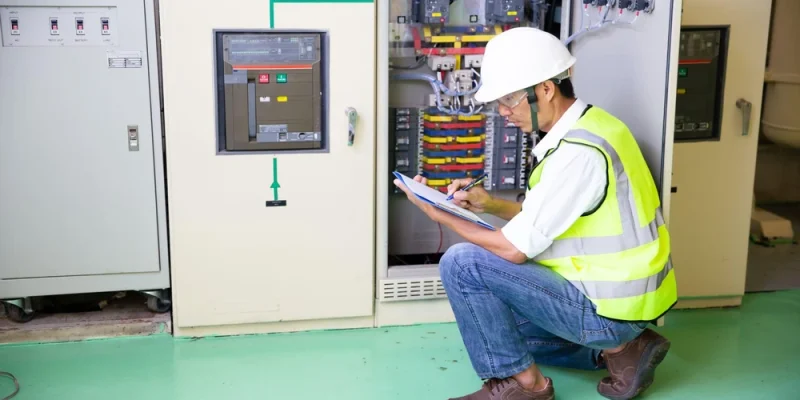
Key Takeaways
- M&E services combine mechanical and electrical systems that keep buildings operational.
- Electrical, air-conditioning, plumbing, fire protection, and control systems are the main components.
- Proper coordination between systems improves safety, efficiency, and compliance.
- A qualified commercial electrician is essential for installing and maintaining electrical infrastructure.
- Understanding M&E services helps property owners plan construction and maintenance projects more effectively.
Introduction
Modern buildings depend on a combination of mechanical and electrical systems to support daily operations. From offices and retail spaces to industrial facilities and residential developments, these systems ensure that occupants have access to electricity, cooling, water, and safety features. Collectively known as M&E services in Singapore, these solutions form a critical part of building design, construction, and maintenance. Understanding the different components of M&E services helps property owners and facility managers make informed decisions while ensuring long-term operational reliability.
Electrical Systems
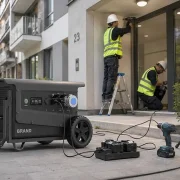
Electrical systems form the backbone of any building. They are responsible for distributing power safely and efficiently to lighting, equipment, machinery, and essential building services. Typical electrical works include power distribution boards, wiring networks, lighting installations, backup power systems, and electrical protection devices.
A commercial electrician plays a key role in the installation, testing, maintenance, and upgrading of these systems. In commercial properties, electrical requirements are often more complex due to higher power demands and the need to support specialised equipment. Proper electrical design and regular inspections help reduce safety risks, minimise downtime, and ensure compliance with regulatory standards.
Air-Conditioning and Ventilation Systems
Air-conditioning and mechanical ventilation systems are responsible for maintaining comfortable indoor conditions. These systems regulate temperature, humidity, and air circulation while helping to maintain acceptable indoor air quality.
The mechanical component of M&E works includes chillers, air handling units, ventilation fans, ductwork, and control systems. In commercial buildings, effective cooling and ventilation contribute to employee comfort, customer satisfaction, and equipment performance. Routine servicing is important because poorly maintained systems can consume more energy and become prone to breakdowns. Efficient air-conditioning systems also help businesses manage operating costs over the long term.
Plumbing and Sanitary Services
Plumbing systems ensure a reliable supply of clean water while facilitating the safe removal of wastewater. These services include water storage tanks, pumps, pipe networks, drainage systems, and sanitary fittings throughout the building.
Proper plumbing infrastructure supports everyday operations and helps maintain hygiene standards. In larger facilities, plumbing systems may be more complex and require specialised designs to accommodate higher usage demands. Regular maintenance is necessary to identify leaks, corrosion, or blockages before they affect building operations or result in costly repairs.
Fire Protection Systems
Fire protection systems are designed to enhance safety and minimise damage during emergencies. These systems include fire alarm networks, smoke detectors, sprinkler systems, emergency lighting, and fire extinguishing equipment.
Integration with other building systems is essential for effective fire protection. For example, alarms may trigger emergency lighting or ventilation controls during an incident. Routine inspections and testing help ensure that all components remain operational and compliant with safety regulations. Fire protection systems are a mandatory consideration in most commercial and industrial developments.
Building Management Systems
Modern buildings increasingly utilise building management systems to monitor and control various mechanical and electrical functions. These platforms centralise the management of lighting, air-conditioning, electrical consumption, security systems, and other operational services.
Building management systems provide real-time information that helps facility managers identify faults, optimise energy usage, and improve maintenance planning. By integrating multiple building functions into a single platform, organisations can improve efficiency while reducing operational costs and equipment downtime.
Conclusion
M&E services cover a wide range of systems that work together to support safe and efficient building operations. Electrical infrastructure, cooling systems, plumbing, fire protection, and building management technologies all contribute to overall performance. A skilled commercial electrician remains an essential part of maintaining reliable electrical systems, while proper coordination ensures all building services function effectively. Understanding the key components of M&E services allows property owners and businesses to make better decisions regarding construction, maintenance, and long-term facility management.
Contact 81 Electrical to work with experienced professionals who understand the complexities of electrical, mechanical, and building systems.









Comments