
 By
By 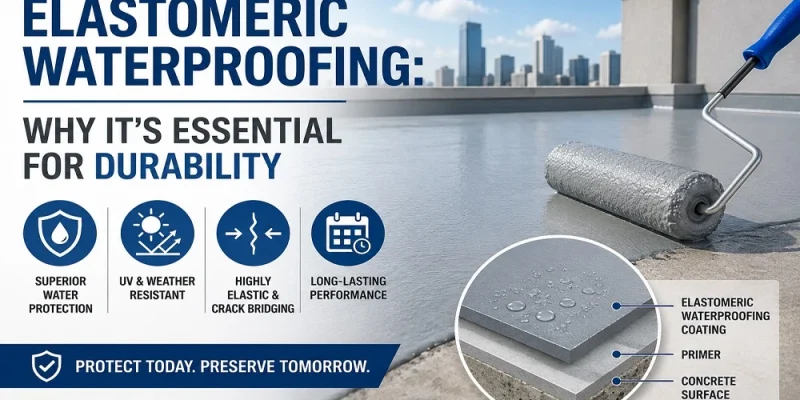
Key Takeaways
Elastomeric waterproofing provides remarkable flexibility, allowing it to stretch without cracking. This feature makes it particularly suitable for accommodating structural movements. Acting as a second skin, it prevents leaks while allowing surfaces to breathe.
Opting for elastomeric waterproofing typically leads to fewer structural issues down the line. Organizations find this results in substantial improvements in integrity, especially in regions known for heavy rainfall. Both performance upgrades and peace of mind for property owners accompany this choice.
In both residential and commercial properties, elastomeric solutions effectively guard against water damage while boosting energy efficiency. They create a durable, watertight seal, minimizing long-term repair costs.
For infrastructure, elastomeric waterproofing is essential in protecting important structures like bridges and tunnels from the impacts of heavy loads and harsh weather. This significantly contributes to the longevity and functionality of these essential assets.
Successful installation is crucial for elastomeric waterproofing systems. It demands comprehensive surface preparation, crack repairs, and strict adherence to drying and inspection protocols to ensure optimal performance.
Maintaining elastomeric systems involves regular inspections, cleaning, and prompt resolution of minor concerns, which can greatly extend their lifespan.
Changes in seasonal weather can affect the integrity of waterproofing systems, underscoring the need for proactive maintenance and timely repairs to keep elastomeric solutions effective throughout the year.
What Makes Elastomeric Waterproofing a Big Deal for Structures?
Understanding the Science Behind Elastomeric Properties
The remarkable capabilities of elastomeric waterproofing can be attributed to its unique properties. Traditional materials often crack or degrade, but elastomeric coatings excel with unmatched flexibility. They stretch without distorting, adapting to structural shifts caused by temperature changes, seismic activity, or settling. This elasticity is precisely why elastomeric solutions are becoming preferred in modern construction.
Experts emphasize that this performance level isn’t simply an enhancement; it’s a paradigm shift in how durability is regarded. Traditional waterproofing often fails under stress, leading to leaks and costly repairs. In contrast, elastomeric solutions perform like a second skin, providing a dependable barrier against water intrusion while permitting surfaces to breathe. The chemistry and engineering behind these materials illustrate an impressive collaboration that imparts the necessary resilience to structures.
Top Benefits of Choosing Elastomeric Solutions Over Traditional Methods
- Unmatched flexibility: elastomeric products expand and contract precisely, ensuring great performance in changing conditions.
- Exceptional adhesion: These coatings adhere strongly to various surfaces, such as concrete, metal, and wood.
- UV resistance: Their formulation offers protection against ultraviolet rays, which helps prevent degradation over time.
- Lower maintenance: With fewer weak spots, the lifespan of the waterproofing system enhances, resulting in reduced long-term costs.
Electing for elastomeric over traditional systems often leads to fewer inconveniences in the future. This is more than just a possibility; it reflects the actual experiences of many organizations. Upon switching to elastomeric solutions, clients frequently notice marked improvements in structural integrity, particularly in areas prone to heavy rainfall. This shift goes beyond performance-it’s also about ensuring peace of mind.
Key Applications of Elastomeric Waterproofing You Can’t Afford to Ignore
How It Protects Residential and Commercial Buildings
Both residential and commercial buildings reap significant rewards from elastomeric waterproofing. Picture a new apartment complex perched on the banks of a river. A slight oversight in waterproofing might lead to major water damage, mold growth, and compromised integrity. This is exactly where elastomeric solutions excel, providing a formidable defense against moisture intrusion.
Property owners using elastomeric membranes can dine comfortably while rain pours outside, knowing their investment is secure. By establishing a durable, watertight seal, these products not only protect against leaks but also improve energy efficiency. When applied correctly, they enhance insulation, leading to decreased heating and cooling bills.
- Rooftops: Flat roofs enjoy substantial benefits from elastomeric coatings due to their capacity to stretch and adapt to movements.
- Balconies and terraces: These surfaces face constant exposure to the elements, making high-quality waterproofing a must.
- Basements: Safeguarding below-grade structures is critical for overall building health, and elastomeric solutions shine here.
Vital Role in Infrastructure and Industrial Settings
Infrastructure forms the backbone of thriving communities, and elastomeric waterproofing is vital in preserving bridges, tunnels, and other critical structures. Building in high-traffic areas demands robust solutions that withstand pressure. Elastomeric products offer damage-resistant surfaces capable of enduring vehicle loads and harsh environmental conditions.
In industrial environments, filled with chemicals and heavy machinery, unique challenges arise. Water is typically viewed as a foe. Yet, elastomeric solutions establish barriers that not only combat water intrusion but also resist corrosive chemical reactions. Their necessity in manufacturing facilities and warehouses is evident.
“Protection from the elements and industrial pressures is non-negotiable. Elastomeric waterproofing provides that assurance.”
- Bridges: Elastomeric systems extend longevity and efficiency under considerable loads.
- Highways: Their use can help to minimize the wear and tear experienced by road surfaces.
- Water treatment plants: Facilities benefit from operational efficiency without the concerns of water damage and contamination.
Installation Insights: Achieving Perfect Application Every Time
Step-by-Step Guide to Successful Installation
Installation carries significant importance; poor techniques can jeopardize even the finest materials. Professionals advocate for a methodical approach, breaking the process into manageable steps to secure optimal results. Here’s the right way to do it:
- Surface Preparation: Thoroughly clean the area, eliminating all dirt, grease, and old coatings.
- Repair Cracks: Fill any visible cracks or holes to create a smooth substrate.
- Application: Apply the elastomeric material evenly using a roller or spray.
- Drying Time: Ensure adequate drying; follow manufacturer guidelines for optimal curing.
- Inspect: Perform a final inspection to confirm complete coverage and adhesion.
These structured steps may appear straightforward; however, they are critical for effective waterproofing. Regular checks before and after the application can help avert complications later.
Common Tools and Materials for Optimal Results
A flawless installation requires specific tools and materials. Here’s a rundown of essentials:
- Brushes and rollers: Perfect for applying coatings in varying thicknesses.
- Protective gear: Gloves, masks, and goggles ensure safety during the application process.
- Caulking guns: For precise application of sealants and fillers where needed.
Knowing the right tools can set any project on the right course. Investing in quality equipment can significantly impact the longevity and effectiveness of the waterproofing system. It’s about more than completing a task; it’s about achieving excellence.
Maintenance Tips: Ensuring Longevity of Your Waterproofing System
Smart Practices for Regular Inspections and Repairs
Maintenance, a vital yet often neglected aspect of waterproofing, is crucial. Although elastomeric waterproofing systems are designed for durability, industry professionals stress the importance of routine inspections to maintain performance over time. Think of these assessments as health check-ups for a structure. Identifying potential issues early saves both time and money.
Clients often express surprise at how simple maintenance tasks can significantly extend the life of their waterproofing systems. Regular cleaning to remove debris, inspecting for cracks or blistering, and ensuring that drainage systems are clear can create substantial improvements.
- Schedule Inspections: Perform evaluations at least twice a year, especially before and after harsh weather conditions.
- Document Repairs: Maintain thorough records to identify recurring problems or patterns.
- Act Quickly: Tackle minor issues before they evolve into larger repairs.
How Seasonal Changes Impact Waterproofing Efficiency
Seasonal variations can drastically influence the effectiveness of waterproofing systems. Fluctuations in temperature can provoke materials to expand or contract, potentially undermining the integrity of seals over time. Winter brings snow and ice, and summer introduces heat and intense UV exposure-both factors that warrant careful consideration.
Professionals often recommend a proactive strategy regarding seasonal changes to shield investments. This could involve scheduling repairs or re-coating during more temperate weather when conditions are stable. By meticulously timing maintenance efforts, property owners can ensure that their elastomeric waterproofing remains effective year-round.
“Regular check-ups and on-time repairs amplify the advantages presented by elastomeric systems.”
Each season comes with its own challenges. Anticipating these can make all the difference in maintaining a reliable waterproofing system. Adopting the right strategies empowers building owners, positioning them as champions of durability.
FAQ
What materials are typically used for elastomeric waterproofing?
Most elastomeric waterproofing products comprise advanced polymers and resins. These materials are engineered to deliver exceptional flexibility and adhesion while resisting UV degradation and water ingress.
Are there specific regions where elastomeric waterproofing is recommended most?
Yes, areas that endure harsh weather conditions-such as heavy rainfall, snow, or extreme temperatures-benefit significantly from elastomeric waterproofing. Here, the adaptability and durability of elastomeric systems greatly diminish the risk of structural damage.
How long does an elastomeric waterproofing system typically last?
An elastomeric waterproofing system may last anywhere from 10 to 20 years, depending on factors such as installation quality, environmental conditions, and maintenance habits. Regular upkeep is crucial for maximizing longevity.
Can elastomeric waterproofing be applied over existing coatings?
Generally, it is possible to apply elastomeric waterproofing over already existing coatings. However, proper surface preparation is vital. The old layer must be clean, intact, and compatible with the new product to ensure effective adhesion and performance.
How do elastomeric solutions compare in cost to traditional waterproofing options?
While the initial costs for elastomeric waterproofing might be higher, the reduced frequency of maintenance and repairs makes them more economical over time. Many organizations discover that upfront investments yield lasting savings.
What is the recommended maintenance schedule for elastomeric systems?
Professionals advise conducting inspections no less than twice a year. Checking more often before and after severe weather isn’t just wise; it’s necessary. Regular maintenance ensures that any potential problems are resolved swiftly, extending the system’s lifespan.
Can elastomeric waterproofing systems contribute to energy efficiency?
Absolutely. Elastomeric waterproofing creates a secure seal that improves insulation, effectively lowering costs for heating and cooling. Numerous customers have reported substantial reductions in their energy expenses following installation.
How does installation quality impact the effectiveness of elastomeric waterproofing?
The quality of installation directly influences the performance of elastomeric waterproofing systems. Proper surface preparation, adherence to guidelines, and methodological application are essential. Even the highest-grade materials can fail if not applied correctly.
Useful Resources
- U.S. Green Building Council
- NAIOP: Commercial Real Estate Development Association
- International Code Council
- American Wood Council
- Federal Emergency Management Agency (FEMA)
- National Fire Protection Association (NFPA)
- American Society of Heating, Refrigerating and Air-Conditioning Engineers (ASHRAE)
- U.S. Nuclear Regulatory Commission
- Construction Specifications Institute (CSI)




Comments