
 By
By 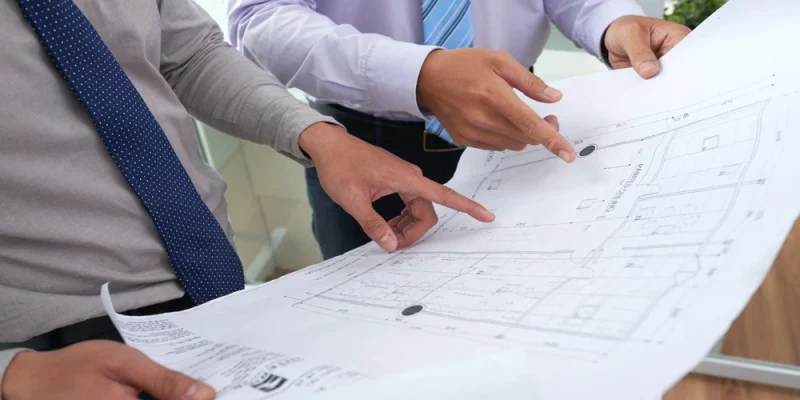
Key Highlights
- Professional reinstatement ensures that commercial tenants meet all legal handover requirements set by landlords.
- Early planning with a contractor prevents costly delays and potential disputes during the final inspection.
- Strategic restoration involves removing partitions, electrical fixtures, and flooring to return the unit to its original state.
- Coordinating your exit strategy with a new company office interior design helps maintain business continuity.
Introduction
Navigating the end of a commercial lease in a busy business hub involves more than simply packing up furniture and moving to a new location. In most tenancy agreements, landlords require that the space be returned to its original condition. This process requires the expertise of a professional reinstatement contractor in Singapore to ensure that they properly dismantle every modification made during your tenancy. Failure to adhere to these strict requirements can lead to the forfeiture of security deposits or expensive legal complications. By understanding what to expect from this process, business owners can manage their move more effectively while preparing for their next workspace. Transitioning locations also provides an opportunity to rethink your future company office interior design, ensuring your new space better serves your operational needs than the last.
Assessment and Quotation Phase
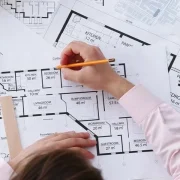
The process begins with a detailed site assessment where the contractor evaluates the office’s current state against the original handover floor plans. During this phase, the specialist identifies every element that needs to be removed, including false ceilings, partition walls, and custom-built-in furniture. A reputable reinstatement contractor in Singapore will provide a transparent breakdown of costs, covering everything from labour to waste disposal fees. This initial step is vital because it sets the budget and identifies any structural challenges that might arise during the demolition. Business owners should use this time to verify that the contractor is familiar with the property’s specific building management guidelines, as every commercial building has its own set of rules regarding noise, working hours, and debris management.
Structural Removal and Demolition
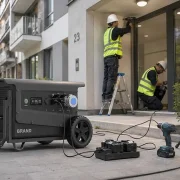
Once the plan is approved, the physical work of stripping the unit begins. This involves the systematic removal of all non-structural additions made during the lease period. Workers will dismantle drywall partitions, glass doors, and specialised flooring such as carpets or raised floor systems. A professional reinstatement contractor in Singapore manages this process with precision to avoid damaging the building’s core structure or the shared utility lines. This phase is often the most intensive part of the project and requires careful coordination with building management to ensure that high-noise activities occur outside of peak business hours. Proper management here ensures the unit is cleared quickly without disturbing neighbouring tenants, which is a common requirement in premium Singaporean commercial properties.
M&E Services and Restoration
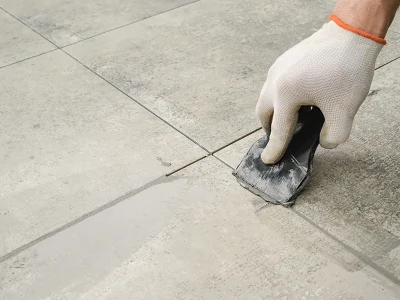
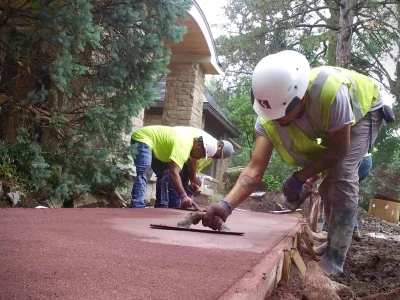
Restoring the mechanical and electrical (M&E) systems is perhaps the most technical aspect of the reinstatement process. All custom lighting, additional power points, and modified air conditioning ducts must be returned to their original configurations. A qualified reinstatement contractor in Singapore employs licensed electricians and engineers to ensure that the electrical distribution boards and fire safety systems are safe and compliant with local regulations. After the technical systems are restored, the team focuses on surface repairs. This includes patching up holes in the concrete floor, repainting walls to a neutral colour, and ensuring the ceiling boards are uniform. This stage is crucial because it ensures the unit passes the landlord’s final walkthrough without objections.
Coordinating the Move to a New Space
While the old office is being restored, most companies are simultaneously focusing on their new premises and the associated company office interior design. The end of a lease is the perfect time to evaluate how your previous office layout functioned and what improvements you can implement in the new location. A seamless transition involves synchronising the reinstatement of the old unit with the fit-out of the new one. By hiring experts who understand both the destruction and creation phases of office management, you ensure that your brand identity remains consistent across locations. Modern designs often favour agility and collaboration, so as you close one chapter with a successful reinstatement, you can begin the next with a fresh, efficient layout that boosts employee productivity.
Conclusion
Hiring a reinstatement contractor in Singapore is a non-negotiable step for any business looking to exit a commercial lease without financial penalties. The process requires a balance of technical skill, adherence to strict building codes, and efficient project management. From the initial assessment to the final restoration of electrical systems, each phase plays a part in a successful handover. While the restoration of a physical space might seem like a purely technical task, it represents a significant milestone in a company’s growth. Effectively managing this exit allows you to focus your energy on the future and the development of a superior company office interior design in your next professional home. With the right professional assistance, the transition becomes a streamlined experience that protects your bottom line.
Contact Ampersand Associates for expert services from a professional team to manage your next office renovation or reinstatement project with professional precision.









Comments