
 By
By 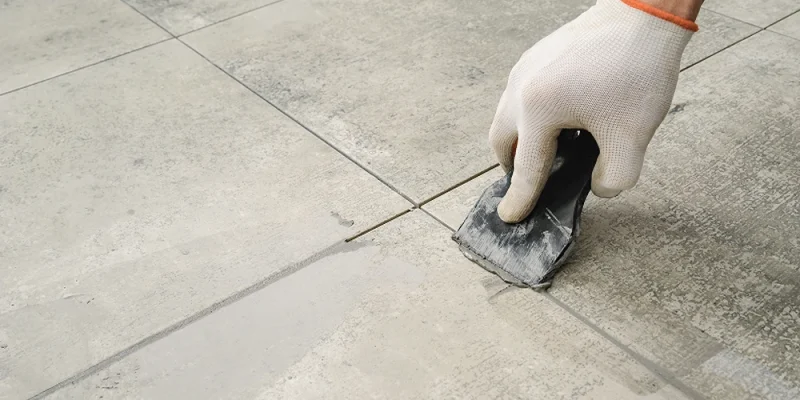
Key Takeaways
- Selecting the correct material ensures that the gap remains filled without pulling away from the edges over time.
- Proper surface preparation prevents the mixture from losing moisture too quickly, which leads to better adhesion.
- Precise mixing ratios are vital to achieving the desired flow and structural strength for heavy-duty applications.
Introduction
When you start a home renovation or a structural repair project, you quickly realise that regular cement might not always suffice for every task. Many homeowners find that standard mixtures tend to pull away from the surfaces as they dry, leaving behind gaps that compromise stability. This is where non-shrink grout becomes an essential tool in your construction kit. It is specifically engineered to maintain its volume during the curing process, ensuring that the void stays completely filled. Whether you are anchoring a heavy piece of machinery or filling gaps in a concrete foundation, this specialised material provides the reliability that standard mortar cannot match.
The Basics of Stability
The primary reason why professionals choose this material is its dimensional stability. Unlike traditional concrete that loses water and volume as it hardens, this product contains additives that counteract the natural shrinkage. This characteristic is particularly important when you are dealing with structural supports or base plates that require a tight fit to distribute weight evenly. If you use a material that shrinks even by a few millimetres, the resulting gap can lead to vibrations, uneven settling, or even structural failure over time. By choosing a high-quality mixture, you ensure that the contact between the two surfaces remains absolute.
The Application Process for Success
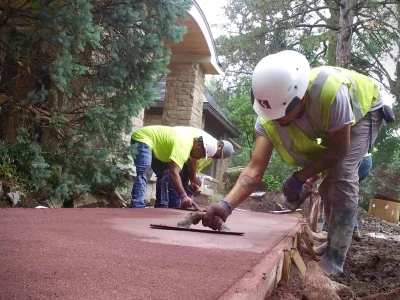
To get the best results from your non-shrink cement grout, you must pay close attention to the preparation of the substrate. The surface should be clean and free of any loose debris, oil, or dust that might hinder the bonding process. It is often recommended to pre-soak the area with water for several hours before application to prevent the dry concrete from sucking moisture out of the fresh mixture. When you are ready to pour, ensure that you have the right tools to hand to maintain a continuous flow. This prevents air pockets from forming, which could weaken the final structure once the material has set.
Mixing for Maximum Performance
The consistency of your non-shrink cement grout determines how well it will fill the intended space. You can usually mix these products to a fluid, flowable, or plastic consistency, depending on the amount of water you add. However, you must follow the manufacturer’s instructions strictly, as over-watering will reduce the final compressive strength of the material. Use a mechanical mixer for a few minutes to ensure the powder is fully hydrated and the additives are evenly distributed. Once mixed, the material often has a limited working time, so you should be prepared to use the non-shrink cement grout immediately to avoid premature hardening in the bucket.
Curing and Aftercare
Once the material is in place, the curing process is the final step to ensuring a permanent bond. You should protect the area from extreme temperatures and direct sunlight, which can cause the surface to dry out too quickly. Covering the area with damp burlap or a plastic sheet helps maintain the internal moisture needed for the chemical reaction to complete. This stage is crucial because even the best non-shrink grout requires a controlled environment to reach its full load-bearing potential. Taking the time to monitor the curing phase will prevent surface cracking and ensure the repair lasts for decades.
Conclusion
Mastering the use of these materials allows you to tackle demanding repair jobs with confidence. By choosing the right non-shrink grout for your specific needs and following rigorous mixing and curing protocols, you create a foundation that stands the test of time. These products provide a level of precision and durability that transforms a simple repair into a professional-grade structural solution.
Contact ARDEX to find the right solutions for your next construction project.












Comments