
 By
By 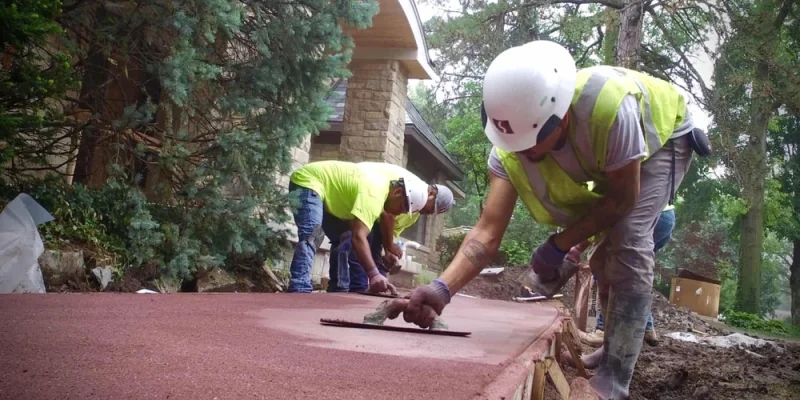
Your home’s siding does much more than improve curb appeal. It helps protect the structure from moisture, wind, temperature changes, and everyday exposure to the elements. When siding becomes cracked, warped, faded, or damaged, choosing the right exterior specialist can make a major difference in the quality and durability of the finished project.
Homeowners should avoid choosing a contractor based on price alone. Siding installation requires accurate measurements, proper preparation, quality materials, and attention to details around windows, doors, corners, and rooflines. A poorly completed project may look acceptable at first but can lead to moisture problems, higher maintenance costs, and premature replacement.
Understanding what to look for before hiring a contractor can help you make a more informed decision and protect your investment.
Start With Experience in Exterior Home Projects
Siding work requires specialized knowledge. A contractor should understand how different siding materials react to weather, moisture, expansion, and temperature changes.
Look for an exterior specialist who regularly handles siding installation, repairs, replacement, and related exterior improvements.
Ask About Relevant Experience
Before hiring a company, find out how much experience it has with the type of project you are planning. A reliable contractor should be able to explain:
- What siding materials are suitable for your property
- How damaged siding will be removed
- How the exterior surface will be prepared
- Whether existing moisture damage needs attention
- How long the installation process may take
- What maintenance the new siding will require
Clear explanations are important. A contractor should be able to discuss the project in terms that homeowners can easily understand without relying on complicated construction terminology.
Check Licensing, Insurance, and Professional Standards
Exterior renovation work involves ladders, tools, heavy materials, and work around different areas of the property. Before signing an agreement, verify that the contractor meets applicable licensing and insurance requirements.
Insurance is particularly important because it helps protect both the homeowner and the contractor if an accident or property damage occurs during the project.
Homeowners should also pay attention to professionalism during the initial consultation. Communication habits often provide an early indication of what the overall project experience may be like.
A dependable contractor should arrive as scheduled, answer questions clearly, inspect the property carefully, and provide straightforward information about the work being recommended.
Choose a Contractor Who Understands Local Conditions
Exterior materials need to perform through changing weather conditions. Bergen County homes may experience cold winters, warm summers, rain, snow, wind, and significant temperature fluctuations throughout the year.
Working with a siding contractor in bergen county nj can be beneficial because a local exterior specialist should understand the environmental conditions that siding systems must handle.
Local knowledge can influence decisions involving siding materials, insulation, moisture protection, installation techniques, and long-term maintenance.
Consider More Than Appearance
Color and style are important, but homeowners should also consider practical factors when choosing siding.
These may include:
- Durability
- Moisture resistance
- Energy efficiency
- Maintenance requirements
- Expected lifespan
- Compatibility with the home’s architectural style
- Manufacturer warranty coverage
The best siding option is not necessarily the most expensive material. The right choice depends on the property, budget, maintenance preferences, and long-term goals.
Request a Detailed Written Estimate
Avoid relying on a verbal estimate for a major exterior project. The contractor should provide a written proposal explaining what is included.
A detailed estimate may outline the materials, labor, removal of existing siding, preparation work, installation, cleanup, project timeline, and payment terms.
Carefully compare estimates if you are speaking with multiple contractors. A significantly cheaper proposal may not include the same materials or preparation work as another quote.
Instead of focusing only on the final number, determine exactly what you are receiving for the price.
Ask About Additional Exterior Services
Some properties need more than one exterior improvement. For example, homeowners may be considering siding together with masonry, walkways, patios, trim, gutters, or other improvements.
When researching exterior companies online, you may encounter highly specific searches such as stamped concrete siding contractor in essex county nj when trying to find professionals capable of handling different types of property upgrades.
If your project involves multiple exterior services, confirm exactly what the company performs directly and whether separate specialists will be involved. Siding and stamped concrete require different skills, equipment, preparation, and installation methods, so homeowners should make sure the appropriate professionals are completing each portion of the work.
Pay Attention to the Contractor’s Inspection Process
A quality siding project should begin with a careful inspection.
The contractor should look beyond visible cosmetic damage. Problems such as moisture infiltration, deteriorated sheathing, damaged flashing, gaps around openings, or previous installation mistakes may need to be addressed before new siding is installed.
Installing new materials over unresolved problems can hide the issue temporarily rather than fix it.
Ask What Happens If Hidden Damage Is Found
Exterior damage is not always visible until old siding is removed. Before work begins, ask how unexpected repairs will be handled.
The contractor should explain how you will be notified, how additional costs will be approved, and whether unexpected work could affect the project timeline.
This helps prevent confusion after construction has already started.
Review Material and Workmanship Warranties
Siding projects may include different types of warranty protection.
Manufacturer warranties generally apply to the siding product itself, while workmanship warranties may cover installation-related issues.
Ask the contractor to explain both.
Find out:
- What the warranty covers
- How long coverage lasts
- Whether registration is required
- What may void the warranty
- How workmanship problems are reported
- Who is responsible for warranty-related repairs
Keep copies of contracts, warranties, receipts, product information, and other project documentation after the installation is complete.
Evaluate Communication Before Signing a Contract
Good communication is one of the most important parts of any home improvement project.
Before hiring an exterior specialist, consider how quickly the company responds to questions and whether the contractor provides clear answers.
You should understand the proposed work before signing anything.
Be cautious if a contractor pressures you into making an immediate decision, avoids providing written information, or cannot clearly explain the installation process.
A professional contractor should give you enough information to evaluate your options confidently.
Understand the Project Timeline
Ask when work is expected to begin and how long the project should take.
Several factors can affect the schedule, including:
- Property size
- Siding material
- Existing exterior condition
- Weather
- Material availability
- Additional repairs
- Crew size
Weather-related delays can happen during exterior construction, so timelines should allow some flexibility.
The contractor should also explain what homeowners should expect during installation, including where materials will be stored, how debris will be managed, and what areas of the property may need to remain accessible.
Do Not Make Your Decision Based on Price Alone
Price matters, but the lowest estimate is not always the best value.
A siding installation affects your home’s appearance, weather protection, maintenance needs, and potentially its long-term value. Cutting corners during preparation or installation can create expensive problems later.
Instead, compare contractors based on the overall combination of experience, materials, communication, project scope, warranty protection, and price.
The goal should be to choose an exterior specialist who can complete the work properly rather than simply choosing the cheapest proposal.
Final Thoughts
Choosing the right siding contractor requires more than finding a company that can install exterior panels. Homeowners should look for relevant experience, proper credentials, quality materials, clear communication, detailed estimates, and a strong understanding of exterior construction.
Take time to ask questions before making your decision. Review the proposed materials, understand the installation process, clarify warranties, and make sure every major part of the project is documented in writing.
A carefully planned siding project can improve the appearance of your home while strengthening its protection against the elements. Selecting the right exterior specialist from the beginning helps ensure that your investment delivers lasting value, reliable performance, and an exterior you can feel confident about for years to come.













Comments