
 By
By 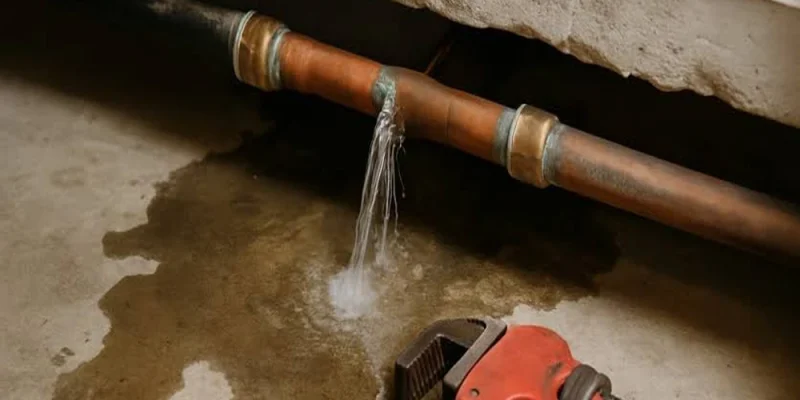
Most leaks don’t start with a burst pipe and a flooded kitchen. They start small, tucked behind drywall, under a vanity or beneath a concrete slab, and they can run for weeks before anyone notices. By the time a stain spreads across the ceiling, the water has usually been working on framing, insulation and subfloor for a good while.
Homes around San Marcos have a few extra reasons to stay alert. Neighborhoods east of the interstate sit on clay that swells after rain and shrinks through dry summers, and that constant movement puts stress on pipes running under slab foundations. The water itself comes largely from the Edwards Aquifer and the region’s limestone country, which makes it hard enough to wear on valves and fittings over time. And plenty of houses in town have been rentals for years, where small drips can go unreported between tenants.
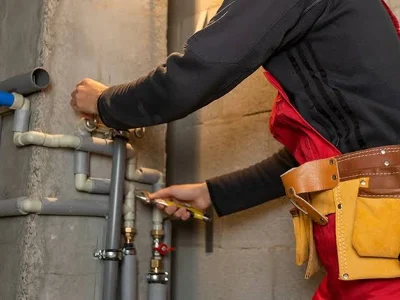
When the signs point somewhere you can’t reach, it helps to have people who do this every week. For San Marcos leaks repair, Garrett’s Plumbing brings licensed plumbers and a responsible master plumber to the job, backed by 27 years of hands-on work and a family trade that runs four generations deep. The same crew handles emergency calls and repairs across copper, PVC and PEX lines, so the fix matches whatever the house was built with.
Listen Before You Look
Your ears often catch a leak before your eyes do. Plumbing should be silent when nothing is running, so any sound during a still moment deserves attention.
- A hiss or trickle inside a wall. Stand near the wall behind a bathroom or kitchen late at night when the house is still. A faint rushing sound with every tap closed usually means pressurized water escaping from a supply line.
- A toilet that refills on its own. If you hear the tank topping itself off every so often, the flapper isn’t sealing. It’s the most common leak in any house and one of the most wasteful, since it runs around the clock.
- A water heater that ticks or drips. A slow drip at the relief valve or a damp ring around the base of the tank can signal a failing valve or a tank near the end of its life.
Trust Your Nose and Your Feet
Some leaks announce themselves through the senses people rarely think to use.
- A musty smell in one spot. Mildew needs steady moisture. When a single closet, cabinet or corner smells damp while the rest of the house doesn’t, something nearby is staying wet.
- A warm patch on the floor. Walk the house barefoot on tile or bare concrete. A spot that feels noticeably warmer than the floor around it can point to a leaking hot water line under the slab. Cracks that appear in tile or flooring without explanation belong on the same list.
Read the Numbers
The last two clues come from paperwork and a small dial most people never look at.
- A water bill that climbs for no reason. Compare this month to the same month last year. If nothing changed in how the household uses water and the bill still jumped, a hidden leak is a strong suspect.
- A meter that keeps moving. Shut off every faucet, appliance and sprinkler zone, then check the water meter. Most have a small triangle or spinning dial that moves with even a tiny flow. If it keeps turning while everything is off, water is escaping somewhere between the meter and your fixtures. Close the house shutoff valve and look again. If the dial stops, the leak is inside the home. If it keeps going, the trouble is on the buried line between the meter and the house.
Knowing which side of the meter you’re on matters. In most Texas cities, the utility is responsible for the line up to the meter, while the homeowner owns everything past it. A leak on the street side is a call to the city, not a plumber.
What Usually Gives Way
Once a leak is confirmed, the cause tends to fall into a handful of familiar groups.
- Shifting soil. Clay movement bends and stresses lines under the slab until a joint separates or a pipe cracks.
- Mineral wear. Hard water scale stiffens valve cartridges and wears down washers and seals, so faucets and shower valves start to drip.
- Aging supply lines. The braided hoses feeding toilets, sinks and washing machines have a limited life and can split without warning.
- Freeze damage. The February 2021 winter storm cracked pipes all over Central Texas, and some of those weakened fittings are still failing years later.
- Outdoor lines. Irrigation systems and hose bibs leak underground, where soggy grass or an oddly green patch of lawn may be the only hint.
How the Fix Gets Done
Modern leak detection takes much of the guesswork out of the process. Plumbers use acoustic listening equipment, thermal cameras and pressure testing to narrow a leak down to a small area before opening anything, which keeps demolition to a minimum.
For leaks under a slab, there are usually three paths. The plumber can cut through the floor at the exact spot, tunnel underneath from outside the foundation, or skip the broken section entirely and reroute a new line through the attic or walls. The right choice depends on where the leak sits, how old the rest of the piping is and what flooring would have to come up. In a house with several past leaks, repiping the whole system in PEX sometimes costs less over time than chasing one failure after another.
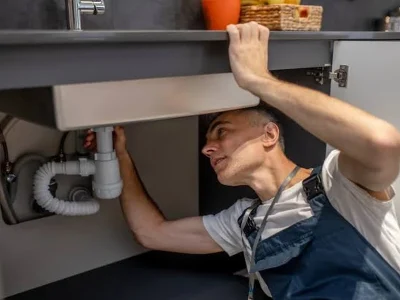
Inside walls, a good plumber will look for a way in from a closet or the back side of a wall before cutting into tile. Shower valves in particular can often be serviced from the trim side without disturbing the surround.
After the Water Stops
Take photos of any damage before cleanup starts, and check your homeowners policy. Many policies treat sudden water damage differently from slow, long-running leaks, and some cover the cost of reaching the pipe even when the pipe repair itself isn’t included. It’s also worth asking the utility whether it offers a bill adjustment once a hidden leak has been repaired, since many do.
Then build a simple habit. Glance at the meter once a month with everything turned off, replace braided supply hoses every several years and keep the shutoff valve easy to reach. Leaks thrive on being ignored, and a few minutes of attention is usually enough to catch the next one early.




Comments