
 By
By 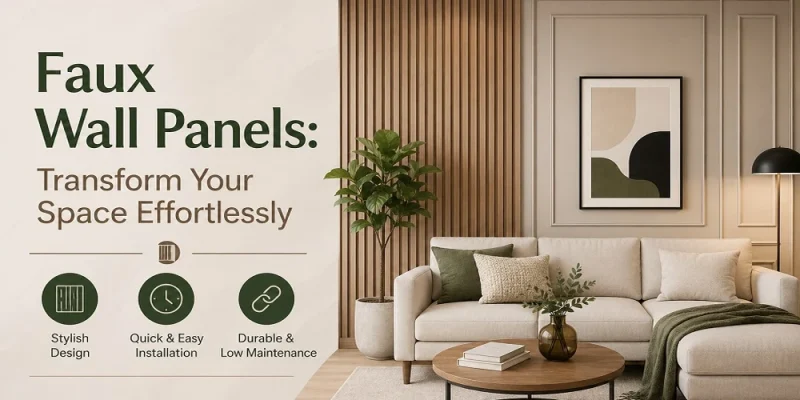
Key Takeaways
Faux wall panels are a practical and visually appealing option for those looking to transform spaces without the need for extensive renovations. This approach has gained traction in both residential and commercial settings.
The versatility of these panels is commendable, ideal for various applications including accent walls, eateries, and retail storefronts, all while adding character to each environment.
When compared to traditional materials, faux wall panels prove to be more cost-effective, resulting in substantial savings on both materials and installation, without sacrificing longevity or durability.
For DIY enthusiasts, installing faux wall panels can be straightforward, especially if key preparation and measurement steps are followed carefully.
With a wide array of finishes available, faux panels encourage creativity in design, accommodating styles ranging from rustic wood aesthetics to sleek, modern metallic looks.
The low maintenance nature of faux panels is a significant advantage; just regular dusting and easy cleaning practices enhance their lifespan considerably.
Should common damages occur, repairing faux wall panels tends to be simple, with techniques like heat application for dents and matching paint touch-ups for scratches offering easy solutions.
Why Faux Wall Panels Are the Secret Ingredient for Powerful Design
The popularity of faux wall panels is on the rise, and this isn’t merely a passing fad. These materials blend aesthetics with functionality, providing innovative solutions capable of reimagining any space. Most notably, they offer a high-impact appearance without the associated heavy lifting – both physically and financially. Professionals appreciate how these panels can craft stunning backdrops that enhance the overall ambiance of homes, offices, or commercial venues, all while avoiding extensive renovations.
These panels particularly shine in practical settings. Looking to create a cozy atmosphere in a living room? Or maybe aiming for a sophisticated, modern look in a corporate office? Faux wall panels can seamlessly adapt to any style. Such flexibility has made them a favorite among both interior designers and homeowners.
Real-World Applications: Where Can They Shine?
Faux wall panels can truly dazzle in unexpected locations. They’re particularly well-suited for:
- Accent walls: Turn a dull wall into a vibrant focal point, instantly adding depth and personality.
- Commercial spaces: Businesses often incorporate faux panels for branding, creating striking environments that leave lasting impressions.
- Restaurants: Set a themed ambiance; rustic wood finishes can whisk guests away into a cozy retreat.
- Home theaters: Achieve an immersive environment with sound-absorbing faux panels that marry style and utility.
- Retail outlets: Foster an engaging shopping experience with textures that captivate customers.
These panels are adaptable to various environments, enhancing the unique character of each space. The opportunities are truly limitless. So, why stifle creativity?
The Cost-Effectiveness of Faux Panels Compared to Traditional Materials
Cost considerations often weigh heavily on anyone contemplating home renovations. When it comes to budget, faux wall panels stand out as a financially savvy choice when stacked against traditional materials. They provide comparable, if not superior, aesthetic appeal while steering clear of hefty remodeling expenses. Let’s be real-installation usually consumes both time and resources. Faux panels generally facilitate quicker application, leading to less labor and faster project completion.
Keep these cost-effective points in mind:
- Lower material costs: Faux panels tend to be significantly more affordable than solid wood or stone.
- Installation savings: Most panels require little more than adhesive, meaning professional installation isn’t always necessary.
- Longevity: Built to last and easy to maintain, they resist wear and tear more effectively than many traditional materials.
Clients often witness impressive returns on investment as home values increase, particularly when faux panels are implemented thoughtfully. Combining beauty with affordability is a clear win in any renovation scenario.
Mastering Installation: Tips from the Pros
Installing faux wall panels might seem intimidating, but it doesn’t have to be overwhelming. Experts possess a few tricks that can streamline the process, making it accessible even for beginners. Following tried-and-true steps helps achieve that polished look. Getting it right on the first attempt avoids unnecessary stress, time, and costs.
Step-by-Step: Installing Faux Wall Panels Like a Certified Expert
Here’s a guide to installing faux wall panels like an expert:
- Preparation: Make sure the surface is clean, dry, and smooth. Proper planning is crucial.
- Measure and mark: Employ a level for straight lines, marking the locations for each panel.
- Cut panels: A sharp utility knife does wonders here. Measure twice and cut once – it’s a good rule to follow.
- Adhere panels: Apply adhesive directly on the panel according to the manufacturer’s directions. Press it against the wall, ensuring it’s level.
- Finish edges: Seal corners and edges for a clean finish. Trim with molding for an added touch of elegance, if desired.
While these steps may seem straightforward, attention to detail differentiates the amateurs from seasoned professionals. Placement is important. Don’t skip that final inspection-an observant eye catches errors before they become permanent.
Common Tools and Supplies Every Installer Should Have
No successful installation occurs without the right tools. Below are essential items recommended by experienced installers:
- Utility knife
- Measuring tape
- Level
- Adhesive (construction adhesive is often ideal)
- Caulk and caulking gun
- Paint or stain (for finishing touches)
Being well-prepared with the right supplies is vital for a smooth project flow. A little planning makes a big difference.
Choosing the Right Style: Matching Faux Panels to Your Aesthetic
Choosing a style can be among the most exhilarating aspects of the design process. Professionals stress that selecting the right faux panels involves aligning them with existing décor while introducing a unique flair. Trends may ebb and flow, yet some materials maintain a timeless appeal.
Trendy Finishes: Wood, Stone, and Beyond
The array of finishes available with faux wall panels is quite extensive. So many options can be overwhelming, but consider these popular choices that are currently trending:
- Textured wood: Perfect for evoking a rustic or coastal ambiance.
- Stone: Ideal for mimicking natural elements without the heavy weight or rough texture.
- Brick: That urban chic vibe is all about embracing imperfect charm.
- Metallic finishes: Modern aesthetics often blend minimalist designs with a bold twist.
Each finish possesses the potential to entirely transform a space. Clients frequently discover that mixing and matching these finishes can yield surprisingly stunning results.
How to Coordinate Colors and Textures for Maximum Impact
Coordinating colors and textures is pivotal in achieving a memorable design. The goal is to establish harmony while interjecting eye-catching features. Experts advise sticking to a cohesive palette, but don’t forget-contrasting elements can add that special spark.
Consider these helpful tips:
- Utilize neutral backgrounds alongside bold faux panels.
- Combine smooth and textured surfaces for enhanced depth.
- Refer to a color wheel for complementary palettes; this strategy can lead to striking outcomes.
The approach to texturing can amplify the atmosphere in a space. Professionals advocate for well-coordinated colors to evoke mood while maintaining style as the focus.
Maintenance Made Easy: Keeping Your Faux Panels Stunning
One of the standout benefits of faux wall panels is their minimal maintenance demands. Keeping them looking pristine doesn’t have to mean adding extra tasks to a busy schedule. Adopting simple cleaning habits can significantly extend their lifespan.
Simple Cleaning Regimens to Extend Longevity
Experts suggest easy cleaning routines suitable for any bustling lifestyle:
- Dusting: Regularly use a microfiber cloth to keep panels dust-free.
- Spots and stains: For stubborn marks, a mild soap and water solution is usually sufficient.
- Periodic deep cleans: Assess the condition every few months and develop a habit of thorough wipe-downs.
Clients following these routine care tips typically discover they can significantly prolong the lifespan of their panels. Simple, yet remarkably effective.
Repair Hacks: Restoring Panels to Their Former Glory
On the rare occasion that damage occurs, the good news is that repairing faux wall panels is usually quite manageable. Professionals often recommend a few handy hacks for restoring panels:
- For dents or minor dings: A heat gun can often reshape a panel back to its original form.
- To address scratches: Use matching paint to touch up and conceal any imperfections.
- If all else fails: Many manufacturers offer replacement panels, making it as simple as swapping out damaged sections.
Some may think maintenance equates to a tedious process, but it doesn’t have to be. It’s simply about having the right knowledge at hand.
FAQ
What types of faux wall panels are available?
Faux wall panels come in various styles such as textured wood, stone, brick, and metallic finishes. Each type offers distinct aesthetics, ensuring a match for any design theme or individual style.
Can faux wall panels work in bathrooms or kitchens?
Absolutely. Faux wall panels are moisture-resistant and can enhance both the style and functionality of bathrooms and kitchens. Selecting finishes that withstand humidity is crucial.
How do faux wall panels compare to real materials over time?
While genuine materials may evolve and develop character over time, faux wall panels typically require less upkeep and maintain their appearance far better than natural products, leading to reduced hassle and often increased longevity.
Are there environmental considerations with faux wall panels?
Some faux wall panels are manufactured with recycled materials, making them more environmentally friendly. Clients should check with manufacturers for sustainability certifications when looking for eco-conscious choices.
Can faux panels be painted or customized further?
Yes, faux wall panels can often be painted or stained to reflect changing design preferences. This flexibility allows clients to adjust their decor over time, ensuring lasting satisfaction.
How do faux wall panels perform acoustically?
Some faux wall panels are equipped with sound-absorbing properties, making them suitable for environments requiring noise control, such as home theaters or active offices. Using these panels can enhance comfort and focus in various spaces.
What’s the expected lifespan of faux wall panels?
Designed with durability in mind, faux wall panels can last many years-often exceeding a decade-when properly cared for. Their resistance to fading and damage supports a long-term investment in style.
Is professional installation necessary for faux wall panels?
Professional installation isn’t mandatory, as many DIY enthusiasts successfully tackle faux wall panel installations on their own. However, hiring a professional ensures a flawless finish, particularly for complex layouts or larger projects.
Useful Resources
- Education Corner – Provides detailed articles on home improvement and DIY planning.
- The Balance Small Business – Shares business insights, including cost-efficient renovation strategies for commercial spaces.
- HGTV – A resource-rich home improvement network offering diverse design styles, tips for DIY, and renovation ideas.
- This Old House – Delivers expert guidance on home improvement tasks and renovation techniques.
- DIY Network – A dedicated space for DIY enthusiasts, offering guides and resources for home projects.
- Ace Hardware – Supplies and resources for maintaining and renovating various home spaces.
- Wood Magazine – Focuses on wood-related projects and materials, including thorough guides to using faux wood panels.
- Renovate and Remodel – Covers guides on renovation and eco-friendly building options for sustainable home improvement.











Comments