
 By
By 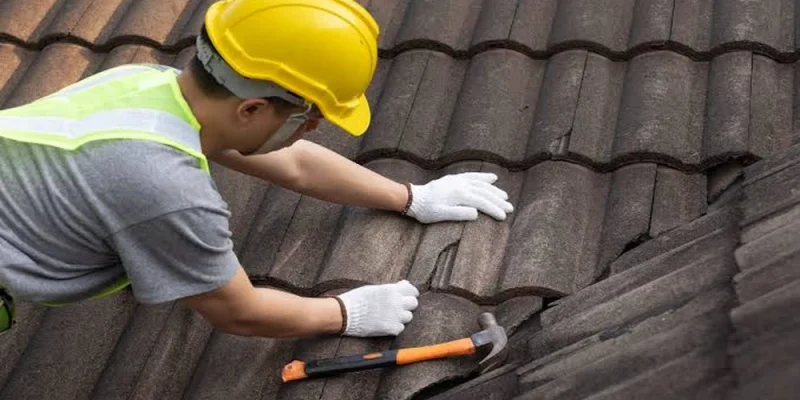
Key Takeaways
Roof replacement in Southern California stands as a strategic investment. It brings benefits that extend beyond just looks, enhancing energy efficiency and property value significantly.
By upgrading to a modern roof, homeowners can save as much as 25% annually on energy costs. Older roofs typically fall short on energy efficiency.
A new roof doesn’t just boost energy savings; it also elevates a home’s curb appeal. In fact, it can increase resale value by 15% or more, making it appealing to potential buyers.
When selecting roofing materials, durability is key. Clay tiles are a prime choice, designed to withstand SoCal’s harsh climate, where high temperatures and UV rays can lead to early roof failure.
It’s crucial for homeowners to comprehend the differences in materials. Tile roofs provide longevity and beauty, whereas asphalt shingles can be a more cost-effective and versatile option.
Regular maintenance is vital. Homeowners should schedule inspections at least twice a year to extend a new roof’s lifespan and avert costly repairs.
Choosing licensed and insured contractors is paramount. Their expertise significantly influences the quality of roofing work and ensures compliance with local building codes.
Why SoCal Homeowners Choose Roof Replacement
In Southern California, opting for roof replacement services in SoCal often arises from a combination of necessity and opportunity. Homeowners increasingly realize that a new roof is more than a superficial upgrade; it represents a wise investment with extensive benefits. As roofs age, deterioration sets in, leading to leaks, insulation issues, and even structural damage. Recognizing this reality is the first step toward a proactive decision.
The Financial Impact: How a New Roof Saves You Money
Taking a preventive approach can save homeowners thousands on repairs and energy bills. Older roofs typically lack the energy efficiency found in modern alternatives. A timely upgrade can drastically lower cooling costs during the sweltering summer months.
Here’s a telling statistic: homes featuring newer roofs can enjoy up to 25% savings on energy costs-especially important in the heat of Southern California. Years of an inefficient roof can result in soaring energy bills, prompting homeowners to consider replacements.
- Improved insulation results in reduced energy consumption.
- Leak prevention leads to savings on repairs.
- Increased home value upon resale.
A modern roof supports the financial stability of a home. Although the initial investment may seem substantial, the long-term benefits often outweigh those upfront costs.
Boosting Curb Appeal: Transform Your Home’s Exterior
First impressions are crucial. An aging, faded roof can make a home come across as neglected. On the flip side, a new roof can turn a house into an eye-catching focal point. Homeowners often find that choosing the right materials and colors not only revamps the roof but enhances the property’s appeal overall.
This type of upgrade frequently translates into significant resale value as well. Research suggests that improvements in curb appeal can boost home values by 15% or more. Buyers often gravitate toward homes that feature a well-maintained exterior.
- Modern color options elevate the property’s appearance.
- New materials can align with distinctive architectural styles.
- Heightened visual appeal may lead to quicker sales.
Weather Resistance: What SoCal’s Climate Demands
The unique climate of SoCal can be harsh on roofing materials. Extreme temperatures, UV exposure, and potential wildfire risks necessitate roofs built for durability. Homeowners neglecting these factors might find themselves in tough situations, facing premature roof failures.
Some materials stand out for their resilience. Clay tiles, for instance, withstand high heat and deliver an aesthetic that asphalt shingles can’t match. When planning a roof replacement, understanding local weather patterns plays a critical role in ensuring long-term satisfaction.
- Select materials rated for UV resistance.
- Look into fire-resistant options to satisfy safety standards.
- Durability suited for coastal environments extends lifespan.
Understanding Different Roofing Materials for Southern California
Choosing the right roofing material can be overwhelming. However, understanding its advantages and drawbacks can provide essential clarity. Homeowners in Southern California can greatly benefit from making informed decisions based on climate, design preferences, and budget.
Tile vs. Shingle: What’s Best for Your Home?
Tile roofing is a hallmark of Southern California’s architecture. It’s known for its resilience, often outlasting many alternatives. While the upfront cost may be higher, the longevity and aesthetic appeal usually justify the investment. Moreover, tile roofs can help maintain cooler indoor temperatures, promoting lower energy costs. But what about asphalt shingles?
Asphalt shingles might be less expensive and easier to install, but they generally don’t match the lifespan of tiles. The choice often hinges on individual budgets and preferences, emphasizing the importance of evaluating trade-offs.
- Tile roofs impart style and durability.
- Shingles offer affordability and versatility.
- Both materials feature distinct warranties tied to performance.
Ultimately, the decision between tile and shingle comes down to personal priorities: whether to emphasize cost, aesthetics, longevity, or initial investment.
Eco-Friendly Options: Sustainable Roofing Solutions
With an increased focus on sustainability, homeowners have a tremendous opportunity to make environmentally conscious choices. Several roofing materials can significantly diminish environmental footprints. For example, metal roofs combine durability with energy efficiency and are recyclable at the end of their lifespan.
Additionally, “living roofs”-essentially gardens on top of homes-offer insulation, mitigate stormwater runoff, and bring a natural touch to urban settings. The broader benefits are impressive: reduced heating and cooling expenses, improved air quality, and enhanced urban biodiversity.
- Metal roofing: Durable and energy-efficient.
- Green roofs: Provide natural insulation and support biodiversity.
- Solar shingles: Allow homeowners to generate energy directly from their roofs.
Longevity and Durability: Choosing the Right Material
Longevity should always be a key consideration for those contemplating roof replacement. After all, roof replacement can carry a hefty price tag, making durability a priority. Numerous options promise long lifespans but come with their own challenges.
For instance, metal roofs boast a life expectancy exceeding 50 years, whereas traditional asphalt shingles usually last around 15-30 years. Evaluating local weather conditions and one’s future plans for the home can inform the best material choices.
- Installation quality matters: A poor installation can undermine material advantages.
- Always review warranties provided by manufacturers.
- Consider local climate patterns when choosing materials.
Selecting the wrong material may lead to early replacements, financial strain, and other disruptions. Thus, ensuring durability is essential.
What to Expect During the Roof Replacement Process
Every homeowner deserves clarity about the roof replacement venture. Understanding the phases involved can reduce anxiety and uncertainty.
Timeline Breakdown: How Long Does Roof Replacement Really Take?
The timeline for roof replacement isn’t fixed; it varies based on materials, size, and weather. Generally, professionals can offer a loose timeframe from a few days to a couple of weeks. However, complexity may result in unexpected delays-from weather disruptions to uncovering underlying structural issues after removing the old roof.
- Small single-family homes: Generally wrapped up in 1-3 days.
- Medium-sized homes: Usually take about 3-7 days.
- Larger or more intricate roofs: Could extend into several weeks.
Patience becomes crucial during this timeframe. It’s beneficial for homeowners to use this waiting period to stay informed about the unfolding events.
Permits and Regulations: Working through Local Codes
Navigating the complex realm of permits and regulations is mandatory. Local building codes specify required standards for roofing. Overlooking these can lead to fines and necessitate additional work for compliance.
Some roofing projects may require permits depending on the jurisdiction. While professional contractors often manage this process, homeowners should remain informed. Staying ahead of regulations can save substantial frustration down the line.
- Consult with local building departments prior to starting any work.
- Ensure that contractors are well-versed in local code requirements.
- Be aware of any historical or aesthetic district regulations where applicable.
Hiring the Right Professionals: Key Qualities to Look For
When searching for roofing contractors, attention to detail can be crucial. Quality should take precedence over cost! Price might influence decisions, but reputation and experience should be major considerations.
First, verify licenses and insurance to protect against liability in case of accidents. Additionally, references and reviews provide substantial insights from previous clients’ experiences.
- Seek out local contractors with solid reputations.
- Check reviews on platforms like Yelp or Google.
- Request a detailed written estimate to grasp scope and costs.
Recognizing the roof as one of a home’s essential elements underlines the importance of hiring skilled and reliable professionals.
Post-Replacement: Maintenance Tips for Longevity
Completing a roof replacement doesn’t mark the finish line; it signifies the start of a maintenance journey. Adopting a proactive stance can substantially lengthen the roof’s life.
Regular Inspections: Keeping Your Roof in Peak Condition
Regular inspections are not just important but often overlooked. It’s recommended that checks occur twice a year-once in spring, once in fall. Experts typically advocate for these inspections to catch any issues before they escalate into major problems.
Homeowners should visually examine their roofs for signs of wear, like missing shingles, discoloration, or granule loss. Addressing concerns such as moss accumulation or debris buildup can prevent significant damage over time.
- Check gutters and downspouts to maintain proper drainage.
- Be vigilant for signs of water damage in the attic.
- Watch for mold growth and algae on the roof.
Seasonal Maintenance: Preparing for SoCal Weather
Local weather patterns play a big role in determining seasonal maintenance needs. In Southern California, preparing for rainy seasons involves checking the integrity of seals and flashings. Summer heat can cause thermal expansion in some materials, so ensuring proper ventilation is essential.
Helpful seasonal maintenance tips include ensuring adequate drainage and keeping vegetation trimmed back from the roofline to minimize debris buildup.
- Trim back overhanging branches to avoid damage.
- Clear gutters before rainstorms hit.
- Install protective barriers to guard against pests.
Common Issues to Watch For: Early Signs of Trouble
Identifying issues early on can drastically reduce repair costs. Homeowners who remain vigilant about common wear can spare themselves considerable grief later.
Keep an eye out for curling shingles, leaks, or stains on ceilings. Unexpected surprises can quickly escalate into emergencies, stressing the value of a proactive approach.
- Investigate any signs of leakage-always check stains or discolorations.
- Maintain meticulous records of all inspections and repairs.
- Schedule repairs promptly to prevent escalation.
Being aware and taking prompt action can prevent minor problems from growing into major headaches.
FAQ
What are the average costs for roof replacement in Southern California?
Costs can vary widely due to material selection, roof dimensions, and the complexity of the project. Homeowners might anticipate spending anywhere from $5,000 to $30,000, with pricier options like tile raising the overall cost.
How does roof replacement impact insurance premiums?
Upgrading to a new roof can lead to lower homeowners’ insurance premiums. Insurance companies commonly view newer roofs as less risky, often resulting in discounts for homeowners who actively manage their properties.
Can a new roof improve my home’s energy efficiency?
Definitely. New roofing materials, particularly those equipped with good insulation and reflective properties, can lead to significant reductions in energy consumption. Homeowners frequently notice lower utility bills after swapping out older roofs for energy-efficient versions.
What are the signs that indicate a roof needs to be replaced rather than just repaired?
Key indicators include ongoing leaks, extensive shingle damage, and sagging areas. If a roof showcases significant age-related deterioration beyond repair, full replacement may be the best solution.
Should roof replacement be scheduled during a specific season?
Roofing can certainly happen year-round, but spring and fall are often preferable. Many contractors recommend steering clear of rainy or extremely hot periods to guarantee optimal installation conditions and material performance.
How often should roofs actually be replaced?
The lifespan of a roof largely hinges on its materials. Asphalt shingles generally last around 15-30 years, whereas tile roofs can endure for 50 years or more. Regular maintenance plays a critical role in extending lifespan, leading to planned replacements rather than emergencies.
What are the benefits of hiring a local roofing contractor?
Local contractors often possess vital insights regarding regional building codes and climate-related challenges. Their local familiarity can facilitate tailored roofing solutions that meet community demands.
Can homeowners participate in the roof replacement process?
Absolutely. Homeowners can take part by researching materials, interviewing contractors, and being present during key stages. This involvement can enhance alignment with expectations and enable smoother communication throughout the endeavor.











Comments