
 By
By 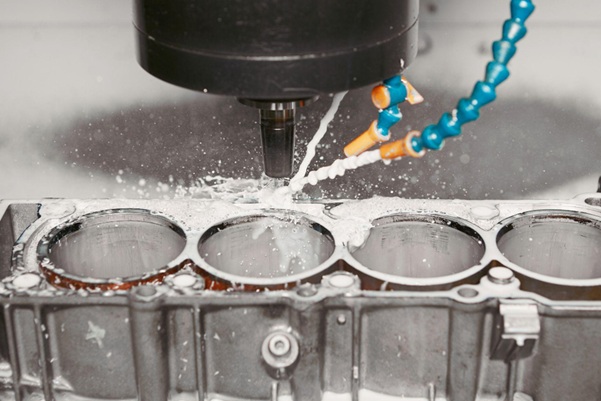
Key Takeaways
- Hard metals create greater cutting resistance than standard materials.
- Tool wear, heat generation, and chip control are common machining challenges.
- Maintaining precision becomes more difficult when machining high-strength alloys.
- Proper tooling, cooling systems, and machining strategies help overcome these issues.
- Modern CNC turning service and CNC milling services enable efficient production of hard-metal components.
Introduction
Hard metals such as titanium, stainless steel, hardened steel, and nickel alloys are widely used in industries that require strength, durability, and resistance to wear. While these materials offer excellent performance in demanding environments, they are considerably more difficult to machine than softer metals. Their hardness increases cutting forces, accelerates tool wear, and creates challenges that can affect quality and productivity. Manufacturers must adopt specialised machining methods to achieve accurate results while controlling production costs. Advances in CNC turning service and CNC milling services have made it possible to machine hard metals more efficiently while maintaining strict quality standards.
Excessive Tool Wear
One of the biggest challenges when machining hard metals is rapid tool wear. Hard materials place significant stress on cutting tools, causing edges to wear down faster than when machining aluminium or mild steel. Excessive wear affects dimensional accuracy, surface finish quality, and overall productivity. Frequent tool replacement can also increase operating costs and machine downtime.
Manufacturers address this issue by using cutting tools made from advanced materials such as carbide, ceramic, and cubic boron nitride. Protective coatings are often applied to reduce friction and improve heat resistance. Selecting the correct cutting speed, feed rate, and depth of cut also helps maximise tool life without sacrificing machining performance.
Heat Generation and Thermal Effects
Heat generation is another major concern when machining hard metals. The combination of high cutting forces and material resistance creates significant temperatures at the cutting zone. Excessive heat can cause thermal expansion, reduce dimensional accuracy, and accelerate tool degradation. In severe cases, it may even damage the workpiece surface.
To overcome this challenge, manufacturers use advanced cooling and lubrication systems. High-pressure coolant helps remove heat while carrying chips away from the cutting area. Proper temperature control protects both the cutting tool and the workpiece, allowing machining operations to maintain tighter tolerances and more consistent results.
Chip Control Challenges
Hard metals often produce long or difficult-to-manage chips during machining. Poor chip control can interfere with cutting operations, damage finished surfaces, and increase the risk of tool failure. Accumulated chips may also create safety concerns and reduce machine efficiency.
Effective chip management begins with selecting suitable cutting tools that incorporate chip-breaking geometries. Machining parameters are adjusted to encourage controlled chip formation, making chips easier to remove from the work area. Many machining facilities also utilise automated chip evacuation systems to minimise interruptions and maintain continuous production.
Achieving Precision and Surface Quality
Many hard-metal components are used in aerospace, medical, and industrial applications where precision is critical. However, tool wear, vibration, and heat can make it difficult to achieve tight tolerances and smooth surface finishes. Even minor deviations may affect the performance of the final component.
Manufacturers overcome these challenges by using highly accurate CNC equipment, precision fixturing, and process monitoring systems. Stable machining conditions help reduce vibration and maintain dimensional consistency. Advanced CNC milling services are particularly effective for producing complex geometries while preserving accuracy, while CNC turning service operations provide reliable results for cylindrical and rotational components.
Conclusion
Machining hard metals requires specialised knowledge, equipment, and process control. Common challenges include excessive tool wear, heat generation, chip management difficulties, and maintaining precision. Without proper strategies, these issues can increase production costs and affect component quality. By using advanced tooling, effective cooling systems, and modern CNC turning services and CNC milling services, manufacturers can successfully machine hard metals while achieving the accuracy, reliability, and consistency required by demanding industries.
Reach out to Disk Precision Group – Singapore to discuss your project requirements and machining specifications.









Comments