
 By
By 
Key Highlights
- Standard HDB flats typically require 1kg to 2kg extinguishers for most common domestic fires.
- Accessibility is as crucial as the physical size of the extinguisher.
- A residential fire extinguisher must be compatible with specific classes of fire, such as those involving cooking oil or electrical components.
- Regular inspection intervals are critical to ensuring the equipment functions during an emergency.
Introduction
Fire safety within the home is a responsibility that every resident takes seriously. Living in a high-rise environment like an HDB flat brings unique considerations regarding emergency preparedness. While we often focus on prevention, having the right equipment ready to suppress a fire in its early stages is equally vital. Selecting the appropriate safety tool can be confusing given the variety of options available on the market today. This guide aims to simplify the process, helping you choose the correct size and type of equipment to ensure your living space remains protected.
Understanding Fire Hazards in HDB Flats
Every kitchen and living area poses different risks. In a typical apartment, fires often originate from the kitchen due to unattended cooking, or from electrical faults in appliances. Understanding these potential ignition sources helps in identifying the capacity required for your safety equipment. An HDB fire extinguisher serves as your first line of defence. It is designed to handle small, contained fires before they have the chance to spread to the rest of your home or corridor. Recognising that every second counts, having a device that is easy to handle is just as important as its extinguishing capacity.
Determining the Right Size for Your Home
When purchasing, you will often find various capacities, most notably the 1kg and 2kg models. For most standard residential units, a 1kg to 2kg device is often sufficient. The size dictates how long you can discharge the extinguishing agent. A larger unit provides more time, but it may also be heavier and more difficult for some family members to manoeuvre. A residential fire extinguisher that feels too heavy or cumbersome might be ignored or improperly stored, which defeats the purpose of having one. Aim for a size that balances capacity with ease of use for all capable adults in the household. Always ensure that the device is certified and meets local safety standards for residential use.
Choosing the Correct Extinguishing Agent
Size is only half the battle. You must also ensure the contents of the cylinder match the type of fires common in homes. Many modern devices are multi-purpose, meaning they are effective against class A, B, and C fires. This includes fires involving solid materials like wood and fabric, flammable liquids, and electrical equipment. Some specialised units are specifically designed for oil fires, which are common in busy kitchens. Before finalizing your purchase, read the label to confirm that your chosen device is suitable for the specific risks you want to mitigate. A versatile device is generally the best choice for a home environment where the source of a fire can be unpredictable.
Maintenance and Placement
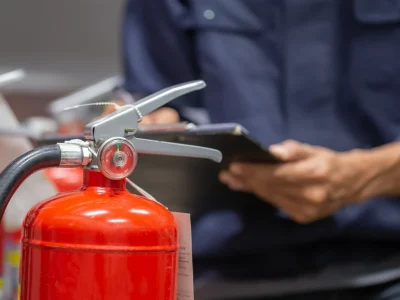
Once you have acquired the right device, placement is paramount. It should be kept in a location that is visible and easily accessible, such as near the kitchen entrance or in a hallway. Avoid hiding it inside a deep cupboard where you might struggle to retrieve it during an emergency. Furthermore, maintenance is essential. While these devices are designed for longevity, they require regular checks. Ensure that the pressure gauge remains in the green zone and that there are no signs of physical damage or corrosion. If the seal is broken or the gauge indicates low pressure, it is time to service or replace the unit. Proper care ensures that when you truly need it, the equipment will perform as expected.
Conclusion
Selecting the appropriate safety equipment is a straightforward process when you understand the specific needs of your household. By prioritising accessibility, capacity, and the correct extinguishing agents, you provide a safer environment for your family. Remember that fire safety is not a one-time purchase but a continuous commitment to preparedness. Keep your equipment in good condition, familiarise yourself with its operation, and ensure everyone in the home knows exactly where it is kept.
If you have questions regarding which model is best suited for your specific living arrangement, our team is ready to assist. At Brave Fire, we are dedicated to helping you secure your home with professional advice and high-quality safety solutions. Contact us today to learn more about our range of products and how we can help you prepare for the unexpected.





Comments