
 By
By 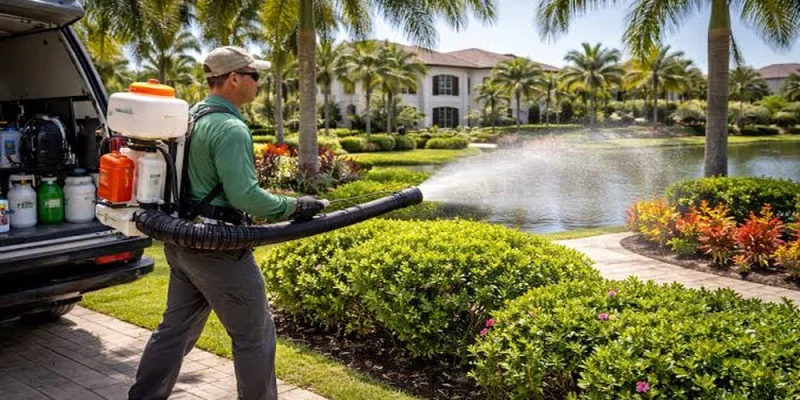
Pest activity does not look the same across Central Florida. The layout of a community, the age of its homes, the amount of development around it, and the way properties are maintained can influence which pests become noticeable. Two neighborhoods in the same part of the region may therefore face very different concerns.
Older residential areas, newer subdivisions, lake communities, townhome developments, and properties near commercial corridors each create different surroundings. Understanding those differences is something the local Central Florida pest experts at Avata build into every inspection, since a property’s neighborhood context often explains more than the yard alone can.
A few community types can affect pest activity in different ways.
- Older neighborhoods often deal with aging screens, worn seals, and gaps that develop as materials settle over time.
- Newer subdivisions can have landscaping still maturing and construction activity happening on nearby lots.
- Lakefront communities see more outdoor exposure through docks, patios, and shoreline-facing yards.
- Townhome developments deal with shared walls and common areas that complicate where activity actually starts.
- Homes near commercial corridors pick up on nearby business activity like deliveries, waste storage, and lighting.
Older Neighborhoods Have Different Entry Points
Older homes can have features that are less common in newer construction. Aging screens, worn seals, gaps created as materials settle, and older utility penetrations can provide insects with access to interior spaces.
Technicians working on older properties check the building envelope closely, along with any structures around it, looking for spots where materials have worn down or shifted enough to create an opening. The goal isn’t to assume age causes pest problems. It’s to spot openings or deteriorated areas that may have developed gradually.
Newer Developments Bring Different Yard Conditions
Recently developed communities may have properties where landscaping is still maturing, construction materials remain around the home, or neighboring lots are still being built.
Construction can disturb soil and vegetation, while newly installed landscaping introduces plants and irrigation to areas that previously had none. Homes surrounded by active development may also see changes as nearby lots are cleared, graded, and occupied.
Lakefront Homes Face More Outdoor Exposure
Properties near Central Florida’s lakes have a different relationship with the surrounding environment. Residents may spend more time around docks, waterfront paths, pools, patios, or yards that open toward the shoreline. That changes how noticeable certain pests become. Outdoor areas get more attention because they’re part of daily recreation, so insects that might go unnoticed elsewhere can turn into a real nuisance once people are out there most evenings.
Waterfront properties also have landscaping designed around the view. The shoreline connection matters here, though it’s rarely the whole explanation on its own.
Townhome Areas Change How Pests Move
A detached home has space around each side of the structure. Townhomes and other attached properties have a different layout, with neighboring units sharing walls or sitting much closer together.
That arrangement changes how homeowners experience pest activity. An issue noticed in one unit may trace back to conditions closer to a neighboring unit, and shared walls or common areas can make it harder to pin down where activity first started.
Community maintenance also plays a bigger role here. Landscaping, trash areas, shared walkways, and other common spaces are often managed separately from an individual homeowner’s own property.
Commercial Areas Can Affect Nearby Homes
Residential communities located near restaurants, shopping centers, offices, warehouses, or other commercial properties have another set of surroundings to factor in.
Businesses generate their own patterns of deliveries, waste storage, lighting, landscaping, and daily activity, and those patterns can shape what shows up in nearby yards even when no single business is the source. Looking at the broader block, not just the property line, often gives a clearer picture when activity doesn’t match anything obvious happening at the house itself.
Community Design Changes What Gets Noticed
The way a neighborhood is designed can influence not only pest activity but also how easily homeowners spot it. Homes with large yards may have more exterior space to monitor. Compact properties can place outdoor living areas, landscaping, and structures close together.
Gated communities may also have entrances, common landscaping, recreational facilities, and maintained public areas that aren’t present around a typical residential street. Each of these setups creates its own environment for spotting pest activity early or missing it entirely.
Why the Neighborhood Matters
A pest problem belongs to a home, but a home doesn’t exist in isolation from what’s built around it. An older street with mature trees, a brand-new subdivision still settling in, a lakefront lot, a row of townhomes, or a block near a shopping plaza will each hand a pest control team a different starting point. Avata’s technicians treat that starting point as part of the job.
Homeowners don’t need to figure out which neighborhood feature is to blame before reaching out. It’s more useful to know that where a home sits, and what surrounds it, can shape the pest pressure it deals with just as much as the pest itself.






Comments