
 By
By 
Replacing an air conditioner is a significant investment, and for many homeowners, it’s not a decision that comes around very often. Whether your current system is struggling to keep up, requiring frequent repairs, or simply reaching the end of its lifespan, choosing a replacement involves more than picking a unit with the right price tag. Comfort, energy efficiency, installation quality, and long-term operating costs all play an important role in determining whether a new system will meet your expectations.
At the same time, homeowners should understand the requirements that may apply to a replacement project. Regulations and efficiency standards continue to evolve, particularly in states where cooling systems are heavily relied upon throughout the year. Understanding the Florida law on air conditioning replacement can help homeowners prepare for the process while ensuring their new system meets current standards. As a result, they can make more informed decisions and avoid unnecessary complications during installation.
Knowing When It’s Time to Replace Your AC
One of the most common questions homeowners face is whether they should repair their existing air conditioner or replace it altogether. Although every situation is different, there are certain signs that often indicate replacement may be the more practical long-term solution.
Older systems generally become less efficient over time. Components wear down, cooling performance declines, and repairs may become increasingly frequent. Consequently, homeowners may find themselves spending more money to keep an aging system running while receiving less comfort in return.
In addition, rising energy bills can signal that a system is no longer operating efficiently. If cooling costs continue to increase despite regular maintenance, a newer and more efficient unit may provide better value over time. While repairs can often extend the life of an air conditioner, there comes a point when replacement becomes the more economical choice.
Why Energy Efficiency Should Be a Priority
Modern air conditioning systems are designed to provide greater efficiency than many older models. Thanks to advancements in HVAC technology, newer units can cool homes more effectively while using less energy.
This improved efficiency can have a noticeable impact on monthly utility bills. Although high-efficiency systems may require a larger upfront investment, the potential savings on energy costs can help offset those expenses over the life of the equipment.
Furthermore, efficient systems often provide more consistent indoor temperatures and improved humidity control. Therefore, homeowners benefit not only from lower operating costs but also from enhanced comfort throughout the home.
Important Factors to Consider Before Buying a New AC
Before selecting a replacement system, it is important to evaluate several factors that can influence both short-term satisfaction and long-term performance.
- System Size: Proper sizing is essential for efficient operation. A system that is too large may cycle on and off too frequently, while an undersized unit may struggle to cool the home adequately.
- Energy Efficiency Ratings: Comparing efficiency ratings can help homeowners identify systems that may reduce long-term energy consumption.
- Existing Ductwork: Damaged, leaking, or poorly designed ductwork can limit the performance of even the most advanced air conditioner.
- Installation Quality: Professional installation directly affects efficiency, reliability, and equipment lifespan.
- Indoor Air Quality Needs: Some homeowners may benefit from systems that work alongside air purification, humidity control, or advanced filtration solutions.
- Long-Term Operating Costs: Looking beyond the purchase price helps provide a clearer picture of overall ownership costs.
By carefully reviewing these considerations, homeowners can choose a system that better aligns with their comfort goals and budget.
The Importance of Proper System Sizing
Many people assume that purchasing a larger air conditioner will automatically result in better cooling performance. However, this common misconception can actually lead to comfort and efficiency problems.
An oversized unit may cool the home too quickly, preventing it from running long enough to remove excess humidity. As a result, indoor spaces can feel damp or uncomfortable despite reaching the desired temperature. On the other hand, an undersized system may run continuously while struggling to keep up with cooling demands.
Because every home is unique, HVAC professionals typically perform load calculations before recommending equipment. These calculations consider factors such as square footage, insulation levels, window placement, and overall home design. Consequently, homeowners receive a system that is appropriately matched to their specific cooling needs.
Understanding Installation Requirements
Purchasing quality equipment is only one part of a successful air conditioning replacement. Equally important is ensuring the system is installed correctly.
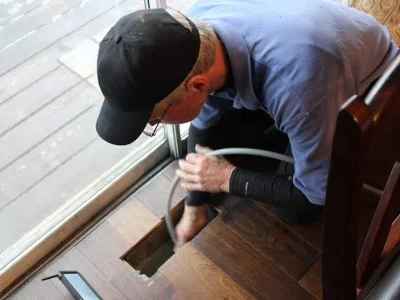
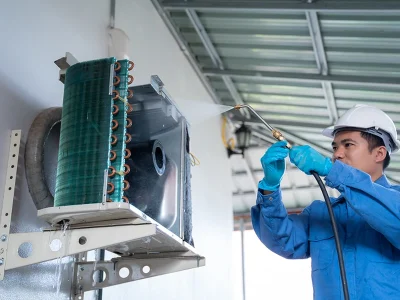
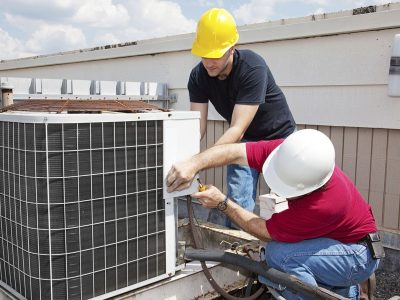
Professional installation involves much more than simply connecting a new unit. Technicians must verify airflow, inspect electrical components, evaluate ductwork compatibility, and ensure refrigerant levels meet manufacturer specifications. In addition, local permits and inspections may be required depending on the scope of the project.
Proper installation helps maximize efficiency, supports reliable operation, and reduces the likelihood of future performance issues. Therefore, selecting an experienced HVAC contractor is just as important as selecting the equipment itself.
Looking Beyond the Air Conditioner
While the air conditioner is the centerpiece of any cooling system, other aspects of the home can significantly impact performance. Poor insulation, air leaks, and inefficient ductwork can all reduce overall efficiency and make it harder for the system to maintain comfortable temperatures.
For this reason, many homeowners choose to evaluate their home’s overall energy performance when replacing an air conditioner. Addressing insulation gaps or duct issues at the same time can improve comfort and help maximize the benefits of a new system.
Additionally, making these improvements may reduce strain on the equipment, potentially extending its lifespan and lowering operating costs.
Long-Term Benefits of a New AC System
A new air conditioning system offers advantages that extend well beyond reliable cooling. Modern equipment often operates more quietly, delivers more consistent temperatures, and provides better humidity control than older systems.
Homeowners may also experience fewer repair needs and greater peace of mind during the hottest months of the year. Because newer systems are designed to meet current efficiency standards, they can often provide better overall value over time.
Moreover, improved comfort and lower energy consumption can contribute to a more enjoyable living environment while helping homeowners better manage household expenses.
Planning for the Future
Replacing an air conditioner should be viewed as a long-term investment rather than simply a necessary expense. Taking the time to research options, compare efficiency levels, and understand installation requirements can help homeowners make more confident decisions.
Working with qualified HVAC professionals allows homeowners to evaluate their needs, explore available options, and select equipment that aligns with both their comfort goals and budget. As technology continues to evolve, choosing the right system today can provide benefits for many years to come.
Making the Right Choice
Investing in a new air conditioner is a major decision, but it can also be an opportunity to improve comfort, efficiency, and long-term home performance. By understanding factors such as system sizing, energy efficiency, installation quality, and regulatory requirements, homeowners can approach the replacement process with greater confidence.
A thoughtfully selected and professionally installed system can deliver reliable cooling, lower operating costs, and improved indoor comfort for years to come. Ultimately, taking the time to make informed decisions today can help ensure lasting value and dependable performance well into the future.
Conclusion
Replacing your air conditioner is more than a home improvement project—it is an investment in your home’s comfort, energy efficiency, and long-term value. By recognising the signs that it is time for a replacement, choosing the right-sized system, prioritising energy efficiency, and ensuring professional installation, homeowners can avoid common pitfalls and enjoy reliable performance for years to come. Taking the time to understand current requirements, including applicable regulations and installation standards, also helps make the replacement process smoother and more informed. With careful planning and guidance from a qualified HVAC professional, you can select an air conditioning system that delivers dependable cooling, lower operating costs, and lasting comfort for your home.









Comments