
 By
By 
Key Highlights
- Determine whether a built-in or a tabletop electric oven best fits your kitchen layout.
- Consider the capacity of the oven to ensure it meets your family’s daily cooking needs.
- Look for essential functions like convection and rotisserie to increase cooking versatility.
- Evaluate energy efficiency ratings to keep your long-term utility costs manageable.
- Prioritise easy-to-clean features such as catalytic liners or steam cleaning modes.
Introduction
The kitchen is often described as the heart of the home, and the right tools make all the difference in creating memorable meals. Among the most essential home and cooking appliances, the electric oven stands out as a versatile workhorse for everything from Sunday roasts to evening snacks. Selecting the right model requires a clear understanding of your culinary habits and the physical constraints of your kitchen space. With so many options available in the market, it is easy to feel overwhelmed by technical specifications and varying price points. However, by focusing on a few key factors, you can find an appliance that simplifies your routine and expands your cooking capabilities. A well-chosen oven is an investment that enhances your lifestyle and the value of your home.
1. Assessing Built-in vs Tabletop Models
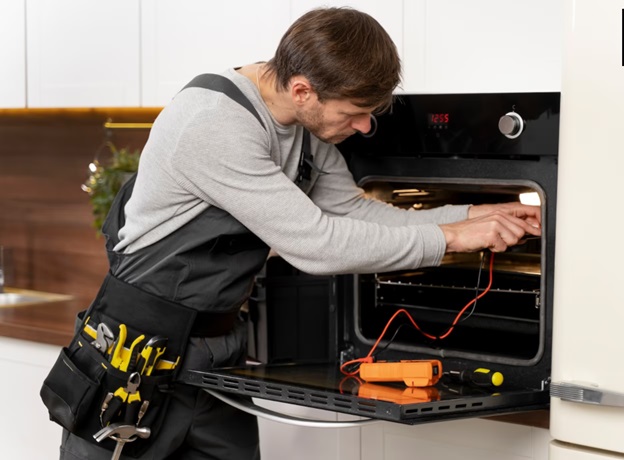
The first step in choosing an electric oven is deciding between a built-in model and a tabletop version. Built-in ovens are integrated directly into your kitchen cabinetry, offering a sleek and high-end look that is popular in modern home and cooking appliances setups. They are typically larger and offer more advanced features but require professional installation. On the other hand, tabletop ovens are portable and require no special installation beyond a standard power outlet. These are excellent for smaller kitchens or for individuals who do not require a full-sized oven for daily use. Your choice will largely depend on the available space in your kitchen and how much you plan to cook at once.
2. Capacity and Size Considerations
Capacity is a critical factor when browsing for an electric oven. It is measured in litres and determines how much food you can cook at one time. For a small family or an individual, a 30 to 40-litre tabletop oven might be sufficient. However, for larger households or those who enjoy entertaining, a built-in oven with a capacity of 60 to 70 litres is more appropriate. You must ensure that the internal dimensions can accommodate your largest baking trays or roasting pans. Additionally, check the external dimensions to ensure the appliance fits perfectly within your designated kitchen area, especially if you are opting for an integrated built-in model.
3. Exploring Essential Cooking Functions
Modern ovens come equipped with a variety of settings designed to make cooking more precise. When evaluating home and cooking appliances, look for an electric oven that features a fan-forced or convection setting. This function uses a fan to circulate hot air, ensuring even heat distribution and faster cooking times. Other useful features include a grill function for browning the tops of dishes and a rotisserie for perfectly roasted meats. Some premium models even offer steam cooking or air frying capabilities, providing more ways to prepare healthy meals. Consider which functions you will actually use regularly to avoid paying for unnecessary bells and whistles.
4. Energy Efficiency and Ease of Maintenance
An electric oven is a significant consumer of electricity, so checking the energy efficiency rating is a wise move. Models with better energy ratings might have a higher upfront cost, but they save you money on monthly utility bills over time. Look for ovens with triple-glazed glass doors, as they retain heat more effectively and keep the exterior surface cool to the touch. Furthermore, maintenance is an important consideration. Ovens with stay-clean liners or pyrolytic cleaning functions make it much easier to remove grease and food residue. These features reduce the need for harsh chemical cleaners and intensive scrubbing, keeping your kitchen environment much more pleasant.
Conclusion
Selecting the perfect electric oven involves balancing your cooking needs with your kitchen’s physical layout. By considering the differences between built-in and tabletop models, assessing the necessary capacity, and prioritising useful functions, you can find an appliance that truly serves your household. Energy efficiency and ease of cleaning are also vital for long-term satisfaction. The right choice among home and cooking appliances will not only make meal preparation easier but also inspire you to try new recipes and techniques. Investing time in research now ensures that your kitchen remains a functional and enjoyable space for years to come.
Contact Harvey Norman Malaysia to find the ideal electric oven for your needs.










Comments