
 By
By 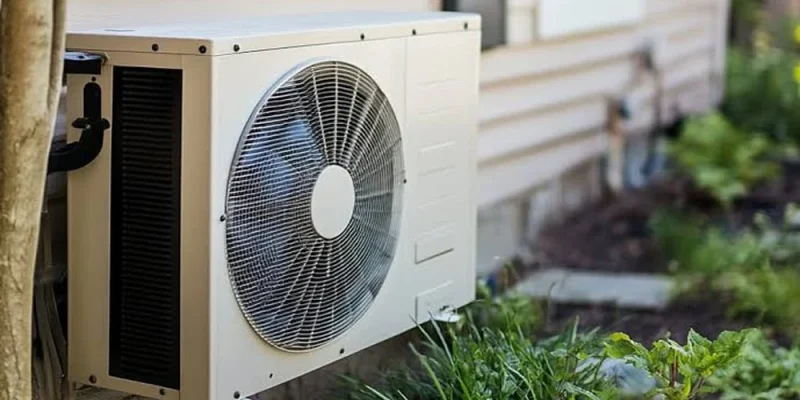
Heating and cooling a home efficiently has become one of the most important decisions a homeowner can make. Energy costs continue to rise, and the environmental impact of traditional heating systems is increasingly difficult to ignore. For many families, the shift toward heat pump technology represents not just a practical upgrade but a long-term investment in comfort, savings, and sustainability.
Whether you are building a new home, renovating an older property, or simply replacing an ageing furnace, understanding your options is the first step toward making the right choice.
What Is a Heat Pump and How Does It Work?
A heat pump is a heating and cooling system that moves heat rather than generating it. In winter, it extracts heat from the outdoor air – even in cold temperatures – and transfers it inside. In summer, the process reverses, pulling heat from inside your home and releasing it outdoors.
This mechanism makes heat pumps significantly more efficient than conventional electric or gas heating systems. Instead of burning fuel to create warmth, a heat pump simply moves existing heat from one place to another, consuming far less energy in the process.
Why Home Heat Pump Installation Is Growing in Popularity
The demand for home heat pump installation has grown considerably over the past several years, driven by rising energy bills, government efficiency incentives, and a growing awareness of carbon emissions. Homeowners who have made the switch consistently report lower monthly energy costs and improved year-round comfort.
Unlike traditional systems that either heat or cool, a properly installed heat pump handles both functions from a single unit. This simplifies your home’s mechanical setup, reduces maintenance complexity, and can eliminate the need for both a furnace and a central air conditioning system.
For homes in moderate climates, a heat pump can deliver three to four units of heating energy for every unit of electrical energy consumed – a level of efficiency no combustion-based system can match.
Ductless Mini-Split Heat Pumps: A Flexible Solution
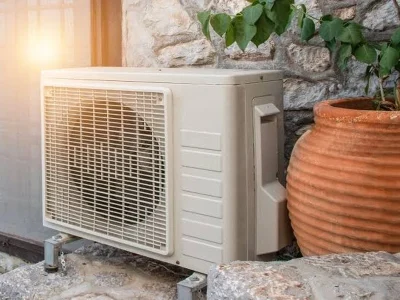
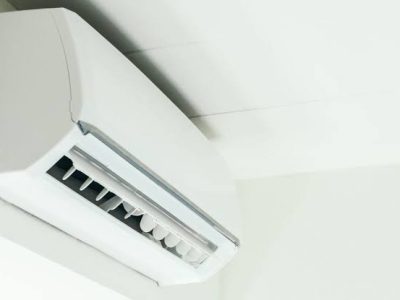
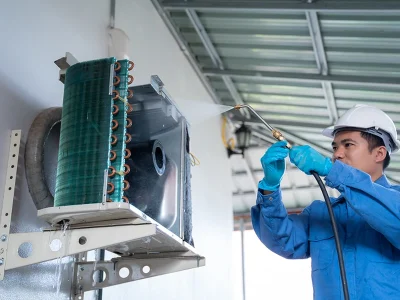
Ductless mini-split heat pumps consist of two main components: an outdoor compressor unit and one or more indoor air-handling units mounted on the wall or ceiling. These are connected by a small conduit carrying refrigerant lines, electrical wiring, and a condensate drain – requiring only a small hole through the wall.
Not every home is built with ductwork, and retrofitting ducts into an older property can be both costly and disruptive. This is where ductless systems offer a particularly attractive solution – no ductwork required, and each indoor unit can be controlled independently, meaning different rooms can maintain different temperatures without energy waste.
Mini-splits are also exceptionally quiet. The compressor – the noisiest part of any HVAC system – sits outside, while the indoor units operate at a whisper. For light sleepers, home offices, or rooms where background noise matters, this is often a deciding factor.
Choosing the Right System for Your Home
The right heat pump system depends on several factors: the size and layout of your home, the local climate, your existing infrastructure, and your long-term energy goals. A professional assessment is always the best starting point.
For homes with existing ductwork in good condition, a ducted heat pump – sometimes called a central heat pump – may be the most cost-effective upgrade path. For homes without ducts, or for additions, garages, and spaces with specific comfort needs, a ductless mini-split is typically the better choice.
Cold-climate heat pumps, designed to operate efficiently even when outdoor temperatures drop well below freezing, have expanded the viability of heat pump technology in regions that previously relied almost entirely on gas or oil heating.
The Installation Process
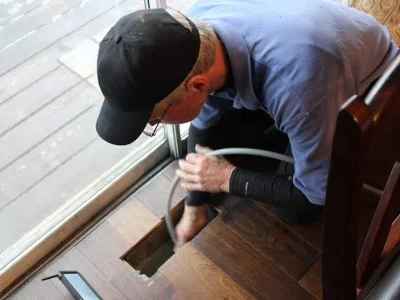
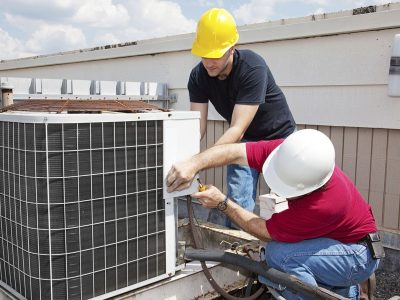
Professional installation is essential for heat pump performance. An improperly sized or incorrectly installed system will not deliver the efficiency or comfort levels it is capable of – and may even cause reliability problems over time.
A qualified installer will assess your home’s insulation, measure the square footage of each space to be conditioned, evaluate your electrical panel capacity, and recommend the appropriate system size. Oversizing is a common mistake that leads to short cycling, humidity problems, and unnecessary wear on the equipment.
Once installation is complete, the system should be commissioned and tested across all operating modes. A reputable installer will walk you through the controls, explain filter maintenance, and outline the service schedule that keeps your system running at peak performance.
Long-Term Value and Energy Savings
The upfront cost of heat pump installation is typically higher than that of a basic furnace replacement. However, the long-term savings in operating costs often offset this within a few years, particularly in areas with moderate electricity rates and rising gas prices.
Many jurisdictions also offer rebates, tax credits, or low-interest financing for heat pump installations, which can significantly reduce the net cost. Checking with your local utility provider and government energy programs is always worthwhile before committing to a specific system.
For homeowners serious about reducing their energy footprint while maintaining reliable year-round comfort, heat pumps represent one of the most practical and forward-thinking upgrades available today.





Comments