
 By
By 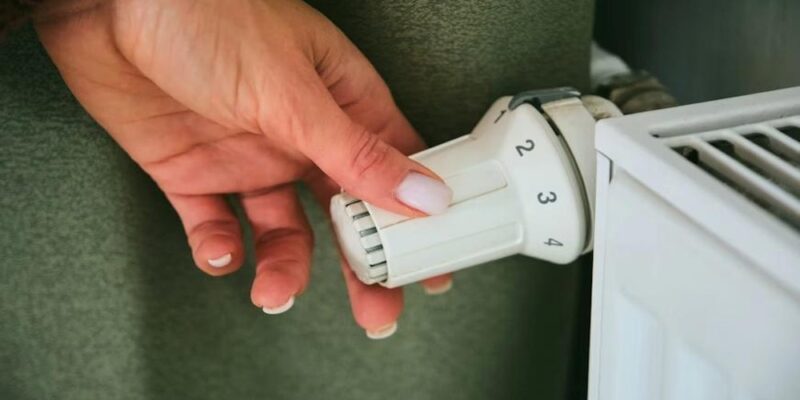
A reliable heating system is one of the most important parts of a comfortable home, especially during colder months. Yet many homeowners only think about it when something goes wrong. The good news is that regular attention and a few simple habits can prevent costly breakdowns and keep everything running smoothly.
Taking care of your system does not have to feel overwhelming. With a basic understanding of how it works and when to arrange a heating system service, you can stay ahead of problems and maintain efficiency without unnecessary stress.
Why Heating System Maintenance Matters
Your heating system works hard behind the scenes, often running for hours each day. Over time, dust builds up, components wear out, and efficiency can decline. Without proper care, even a small issue can turn into a major repair.
Regular maintenance helps your system perform at its best. It improves energy efficiency, keeps your home evenly heated, and reduces the risk of unexpected breakdowns. More importantly, it extends the lifespan of your equipment, saving you money in the long run.
Neglecting maintenance, on the other hand, often leads to higher energy bills and inconsistent performance. That is why a proactive approach makes all the difference.
Understanding the Basics of Your System
Before diving into maintenance, it helps to understand the type of heating system you have. Most homes rely on furnaces, boilers, or heat pumps, each with its own requirements.
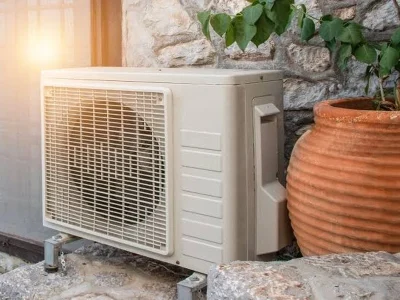
Furnaces distribute warm air through ducts, while boilers use water or steam to heat spaces. Heat pumps transfer heat rather than generate it, making them energy-efficient but slightly different in operation.
Regardless of the type, the key components include filters, thermostats, and moving parts that require regular attention. Knowing these basics allows you to spot early warning signs and act quickly.
Simple Habits That Make a Big Difference
Caring for your heating system does not require technical expertise. In fact, many of the most effective steps are simple and easy to incorporate into your routine.
Changing or cleaning filters regularly is one of the most important tasks. Dirty filters restrict airflow, forcing the system to work harder and reducing efficiency.
Keeping vents and radiators clear is equally essential. Furniture or dust buildup can block heat distribution, leading to uneven temperatures.
Adjusting your thermostat wisely can also reduce strain on the system. Small changes, such as lowering the temperature slightly when you are asleep or away, can make a noticeable difference.
These small actions, when done consistently, help prevent larger issues from developing.
When to Schedule Professional Servicing
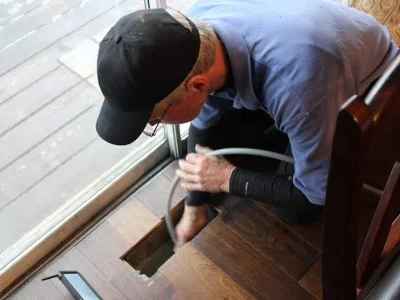
While everyday care is important, professional maintenance remains essential. A qualified technician can inspect internal components, identify wear and tear, and ensure everything is functioning safely.
Ideally, you should schedule a heating system service at least once a year, preferably before the colder season begins. This allows any potential issues to be resolved before your system is under heavy demand.
Professional servicing often includes checking electrical connections, lubricating moving parts, testing system controls, and ensuring proper airflow. These steps are difficult to handle on your own but are critical for long-term performance.
Regular servicing also provides peace of mind, knowing your system is operating safely and efficiently.
Signs Your Heating System Needs Attention
Even with regular care, systems can develop issues over time. Recognising the early warning signs can help you avoid sudden breakdowns.
Unusual noises, such as banging or rattling, often indicate loose or worn components. Inconsistent heating or cold spots may point to airflow problems or thermostat issues.
An unexpected increase in energy bills can signal that your system is working harder than it should. Similarly, frequent cycling on and off may indicate inefficiency or internal faults.
If you notice any of these signs, it is best to arrange a heating system service promptly rather than waiting for the problem to worsen.
Practical Maintenance Checklist
To keep things simple, here is a quick checklist you can follow throughout the year:
- Replace or clean air filters every one to three months
- Keep vents and radiators free from dust and obstructions
- Check thermostat settings and battery levels regularly
- Listen for unusual noises or changes in performance
- Inspect visible components for wear or damage
- Schedule annual professional servicing before winter
Following this checklist helps you stay organised and reduces the likelihood of unexpected issues.
Improving Efficiency Without Extra Effort
Efficiency is not just about saving energy; it also reduces strain on your heating system. The less effort your system needs to produce heat, the longer it will last.
Simple steps such as sealing drafts around windows and doors can make a noticeable difference. Proper insulation keeps heat inside your home, allowing your system to maintain a comfortable temperature with less effort.
Using programmable thermostats can also help regulate heating patterns automatically. This ensures your system runs only when needed, improving both comfort and efficiency.
These small improvements work alongside regular maintenance to create a more reliable and cost-effective system.
Avoiding Common Mistakes
Many homeowners unintentionally make mistakes that shorten the lifespan of their heating systems. One of the most common is ignoring minor issues, assuming they will resolve on their own.
Another mistake is overworking the system by setting the thermostat too high. This does not heat your home faster but instead puts unnecessary strain on the system.
Skipping annual servicing is another frequent oversight. While it may seem like a way to save money, it often leads to more expensive repairs later.
Being aware of these mistakes helps you avoid them and maintain your system more effectively.
Conclusion
Taking care of your heating system does not have to be complicated. With a few consistent habits and timely professional support, you can keep your system running efficiently without stress.
Regular maintenance, awareness of warning signs, and simple efficiency improvements all contribute to a comfortable and reliable home environment. By staying proactive and scheduling routine checks when needed, you can avoid unexpected disruptions and enjoy steady performance throughout the year.









Comments