
 By
By 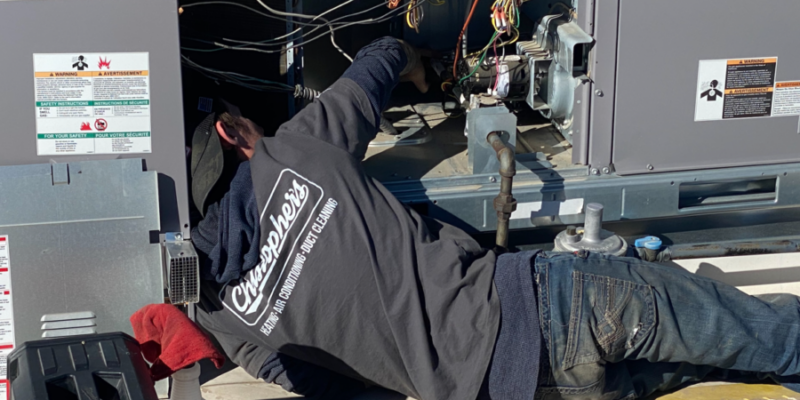
Heating and cooling systems work quietly in the background, yet they account for a significant portion of your home’s comfort and energy costs. When something goes wrong, repairs can be expensive and inconvenient—often happening at the worst possible time. The good news is that most issues are preventable with a little awareness and consistent care.
By taking a proactive approach, homeowners can extend system lifespan, reduce energy bills, and avoid sudden breakdowns. The following practical strategies focus on prevention, efficiency, and long-term savings—helping you stay comfortable year-round without unnecessary expenses.
Keep Air Filters Clean and Replaced Regularly
Air filters play a critical role in maintaining airflow and indoor air quality. When filters become clogged with dust, pollen, and debris, your system has to work harder to push air through, increasing energy consumption and wear on components. This strain can lead to overheating or even system failure over time. Replacing or cleaning filters every one to three months ensures proper airflow, improves efficiency, and reduces the risk of costly repairs. Homes with pets or high dust levels may require more frequent checks.
Schedule Routine Professional Maintenance
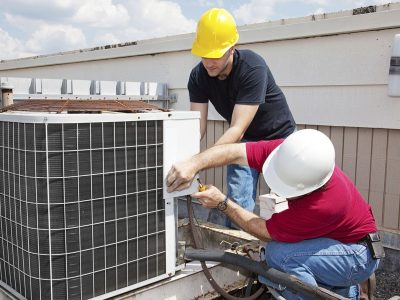
Routine servicing is one of the most effective ways to prevent major issues. During a maintenance visit, technicians inspect key components, clean internal parts, and identify early signs of wear. Small problems—like loose connections or worn belts—can be fixed before they escalate into expensive breakdowns. Annual servicing, ideally before peak summer or winter seasons, keeps your system running efficiently and reliably while extending its operational life.
Monitor Thermostat Settings and Performance
Your thermostat controls how often your system runs, making it essential for both comfort and cost control. Incorrect settings or a malfunctioning thermostat can cause your system to cycle too frequently or not enough, leading to uneven temperatures and higher energy bills. In many cases, homeowners eventually require professional support, such as heating and cooling repair in Powell, OH to resolve persistent inefficiencies. Upgrading to a programmable or smart thermostat allows you to optimise heating and cooling based on your daily routine, reducing unnecessary usage and preventing strain on the system.
Seal Air Leaks and Improve Insulation
Even the most efficient HVAC system can struggle if your home loses conditioned air through gaps and poor insulation. Leaky windows, doors, and ductwork allow warm or cool air to escape, forcing your system to work overtime. Sealing these leaks and improving insulation helps maintain stable indoor temperatures, reduces workload on your system, and lowers energy costs. Over time, this simple step can prevent excessive wear and extend equipment lifespan.
Keep Outdoor Units Clear and Clean
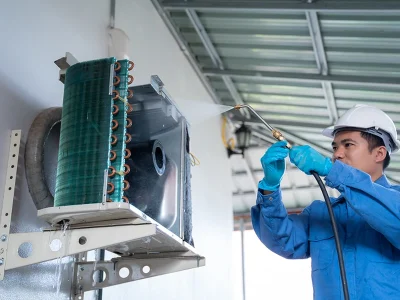
Outdoor units are exposed to dirt, leaves, and debris that can obstruct airflow and reduce efficiency. When airflow is restricted, the system cannot release or absorb heat properly, leading to overheating or freezing issues. Regularly clearing the area around the unit and gently cleaning the fins ensures optimal performance. Maintaining at least two feet of clearance around the unit allows proper airflow and prevents unnecessary strain.
Pay Attention to Unusual Noises or Odours
Strange sounds such as banging, rattling, or grinding often signal underlying mechanical issues. Similarly, unusual smells—like burning or musty odours—can indicate electrical problems or mould growth. Ignoring these warning signs can turn minor faults into major repairs. Addressing them early not only prevents further damage but also ensures your system operates safely and efficiently.
Avoid Overworking the System
Running your heating or cooling system continuously at extreme settings can lead to faster wear and higher energy bills. Instead, aim for moderate, consistent temperatures that keep your home comfortable without overloading the system. Using ceiling fans, closing blinds during hot days, or layering clothing in winter can reduce reliance on HVAC systems and improve efficiency.
Check and Maintain Ductwork
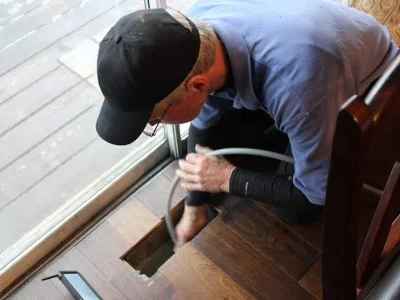
Ducts are responsible for distributing air throughout your home, but leaks or blockages can significantly impact performance. Damaged ducts can cause uneven temperatures, reduced airflow, and increased energy consumption. Periodic inspections and sealing any leaks ensure that conditioned air reaches its intended destination efficiently, reducing strain on your system and preventing unnecessary costs.
Upgrade Ageing Systems at the Right Time
Older systems tend to lose efficiency and require more frequent repairs. If your unit is over 10–15 years old and experiencing repeated issues, upgrading to a modern, energy-efficient system may be more cost-effective in the long run. Newer systems are designed to consume less energy while delivering better performance, ultimately saving money on both energy bills and maintenance.
Final Thoughts
Avoiding costly heating and cooling issues is less about reacting to problems and more about preventing them. Consistent maintenance, mindful usage, and timely upgrades can make a significant difference in system performance and longevity. By taking these simple yet effective steps, you not only protect your investment but also ensure a comfortable and energy-efficient home throughout the year.






Comments