
 By
By 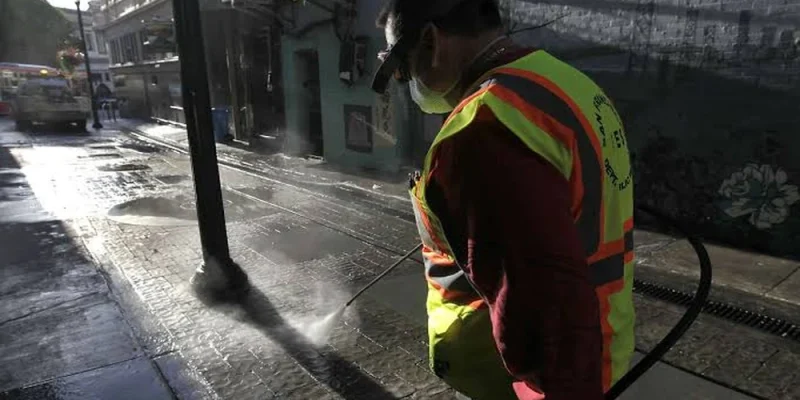
A storefront that looked freshly painted a year ago can start looking tired surprisingly fast in San Francisco, and it usually has less to do with genuine wear and more to do with the specific combination of fog, foot traffic, and urban grime the city puts every exterior surface through. A business owner who moved from a drier climate is often the most surprised by how quickly it happens.
Why Does San Francisco Grime Build Up So Quickly?
The marine layer that rolls in most mornings keeps exterior surfaces damp for a large part of the day, which creates ideal conditions for mildew and algae to take hold on siding, awnings, and shaded walkways in a way that drier cities simply do not experience at the same rate. Add in dense foot traffic on commercial sidewalks and the result is a layer of grime that builds up faster than most business owners expect.
Does This Affect Homes as Much as Businesses?
Residential exteriors face the same fog driven buildup, particularly on north facing walls and shaded entryways that rarely get direct sun to dry them out, which is why a home’s siding or front steps can look considerably more weathered than a similar property in a sunnier part of the Bay Area.
What Actually Gets Cleaned With Pressure Washing?
Sidewalks, driveways, storefront facades, decks, and painted or stucco siding are among the most common surfaces treated, since pressure washing lifts embedded grime, mildew, and general urban buildup that a hose or a broom simply cannot shift on its own.
What Can Go Wrong With Pressure Washing Done Incorrectly?
Too much pressure, or the wrong nozzle for a given surface, can strip paint, damage mortar joints between pavers, or force water behind siding where it has no easy way to drain back out, turning a cosmetic cleaning job into a genuine repair problem. This is part of why pressure washing older buildings, common throughout San Francisco, calls for more judgment than simply pointing a wand at a wall.
What Should Pressure Washing San Francisco Storefronts Actually Involve?
Proper pressure washing San Francisco storefronts need starts with matching pressure and technique to the actual surface, softer washing for painted wood or stucco, higher pressure reserved for concrete and sidewalks, rather than using one setting across an entire property. ASF Clean Team treats this as a judgment call made on site rather than a one size fits all service, which matters considerably more in a city with as much older building stock and varied surface material as San Francisco has.
How Often Should a Business Schedule Pressure Washing?
A storefront on a busy, shaded, or heavily fog exposed block often benefits from cleaning twice a year to stay ahead of buildup, while a sunnier, less trafficked location might reasonably stretch to once annually, so the right schedule depends considerably on a property’s specific location within the city rather than a fixed citywide rule.
Does Pressure Washing Help With Graffiti or Stains Too?
Pressure washing can lift a surprising amount of surface grime, light staining, and even some graffiti, though stubborn or older graffiti sometimes needs a dedicated removal treatment alongside the wash rather than pressure alone. Addressing marks quickly, before they set into a porous surface like stucco or unsealed concrete, generally makes the eventual cleanup considerably easier.
Should Awnings and Signage Be Cleaned at the Same Time?
Awnings, signage, and entryway fixtures tend to collect the same fog driven grime as the walls and sidewalks around them, so scheduling them alongside a pressure washing visit rather than as a separate task usually makes better use of a single appointment and keeps the whole storefront looking consistent rather than having one freshly cleaned surface next to a visibly dingy one.
Keeping a San Francisco property looking presentable is less about doing a single deep clean and more about understanding the specific combination of fog, foot traffic, and building material working against it, and scheduling maintenance accordingly rather than waiting until the grime becomes obvious to everyone walking past.












Comments