
 By
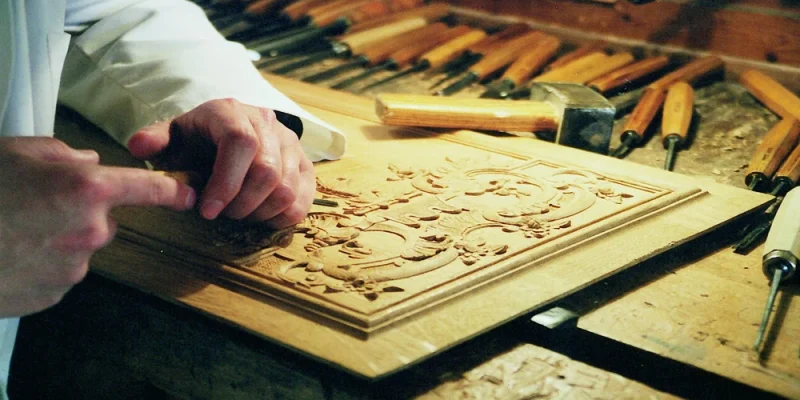
Traditional wood workmanship has weathered generations of changing tastes, technologies, and interior trends. While contemporary manufacturing can manufacture furniture and ornamental pieces rapidly, handcrafted woodwork continues to attract those who respect patience, talent, and personality. The appeal is not merely about owning something made from wood. It is about the physical proof of a craftsperson’s effort and the sense of history, care, and character that handcrafted things can bring into a home.
The enduring appeal of wood craftsmanship comes from its ability to combine natural materials with skilled human work. Each handcrafted piece can showcase distinctive grain patterns, carefully shaped details, and finishing techniques that give it an individual character. Whether used for furniture, decorative features, or architectural elements, this approach can create pieces that feel personal and timeless while reflecting the care and expertise behind their construction.
2. THE BEAUTY OF HUMAN SKILL
A traditionally crafted wooden piece often carries small details that reveal how it was made. Hand -cut joints, carved patterns, shaped edges, and carefully finished surfaces can give an object a personality of its own. Unlike identical factory-made products, handmade pieces may contain subtle variations. These differences are not imperfections; they are reminders that a person, rather than a machine alone, shaped the result.
3. MATERIALS THAT TELL A STORY
The essence of traditional craftsmanship is enhanced by wood itself. Different species have unique natural markings, colours, textures, and grains. Wood can vary in appearance as it matures, occasionally taking on a softer character and a deeper tone. Instead, then just making it appear ancient, scratches and other indications of usage could become part of its history.
4. BUILT FOR LONG-TERM USE
Traditional workmanship frequently gives both construction and look a great deal of consideration. Furniture can last for many years if it has strong joints, the right materials, and thorough finishing. When a well-made wooden object finally sustains damage, it could be possible to fix or restore it instead of replacing the whole thing. Because of this, people who respect longevity and wish to prevent needless consumption find craftsmanship especially appealing.
5. A LINK BETWEEN GENERATIONS
Woodworking customs are often handed down from one generation to the next. A region’s culture and history can be reflected in its techniques, tools, patterns, and finishing procedures. Therefore, the value of a handcrafted cabinet, chair, door, or carved panel might go beyond its utilitarian use. It could be a link to a previous method of production, a local talent, or a family custom. By incorporating such items into contemporary homes, those customs can continue to be recognised and valued.
6. CONCLUSION
Traditional wood craftsmanship’s enduring appeal stems from its blend of personal connection, skill, beauty, and longevity. Beyond a result, handmade woodwork maintains processes, reflects natural materials, and bears witness to the hands that created it. Carefully produced wooden objects can offer a sense of permanence in houses that are increasingly impacted by mass manufacturing and rapidly evolving trends. Traditional workmanship will always be respected in contemporary life because of their capacity to age, adapt, and maintain significance.











Comments