
 By
By 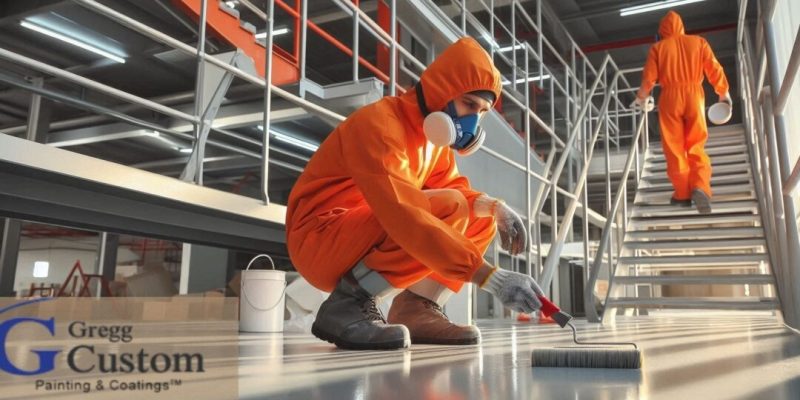
Key Takeaways
Slip-resistant coatings are crucial for ensuring safety in high-traffic commercial settings, effectively lowering the chances of slips, trips, and falls. By creating a specialized surface texture, these coatings enhance traction, protecting both customers and employees.
When businesses implement slip-resistant coatings, they significantly reduce liability risks. This demonstrates a commitment to safety, shielding them from expensive legal disputes related to slip-and-fall incidents. Having surfaces equipped with high-friction materials serves as a clear sign of due diligence.
Investing in durable slip-resistant coatings can lead to long-term cost savings by cutting down on maintenance and repair frequency due to wear and tear. Moreover, they help maintain the visual appeal of flooring, which is essential for drawing in customers.
Choosing the right type of slip-resistant coating is vital. Epoxy coatings suit indoor areas, thanks to their remarkable durability and chemical resistance, while polyurethane coatings shine in outdoor scenarios, resisting UV degradation and keeping a visually appealing finish.
Numerous success stories from various sectors highlight the effectiveness of slip-resistant coatings. Restaurants and hospitals, for instance, report significant reductions in slip-related incidents after applying these coatings, ultimately boosting customer safety and experience.
The visual changes environments undergo after applying slip-resistant coatings highlight their dual advantage: enhancing safety while elevating style, enabling businesses to create inviting spaces where customers feel secure.
In summary, integrating slip-resistant coatings is a crucial investment. It reflects a business’s commitment to safety and quality, establishing a proactive culture toward customer care and employee welfare.
Why Slip-Resistant Coatings are Essential for High-Traffic Areas
Enhancing Safety in Commercial Spaces
Slip-resistant coatings are indispensable in ensuring safety within high-traffic commercial environments. Given the constant movement, slips and falls become an ever-present threat. Professionals in the field know that investing in appropriate coatings can drastically reduce these risks. These specialized slip-resistant coatings create a surface texture specifically meant to enhance traction. Places like restaurants, shopping malls, and hospitals are perfect examples where such safety measures are essential.
Statistics reveal that slip incidents are among the most common workplace injuries. An astounding 20% of reported injuries arise from slips, trips, and falls. Thus, the significance of slip-resistant surfaces is undeniable. It goes beyond just liability; it’s about establishing a secure environment for everyone—staff and customers alike.
How Slip-Resistance Reduces Liability Risks
Business owners constantly face the looming threat of liability. A smart strategy includes introducing slip-resistant coatings as an initial line of defense. Many may not realize how significantly these coatings can lower liability incidents. By installing surfaces made from high-friction materials, establishments not only safeguard their customers but also protect themselves from potential legal action.
Legal disputes can create a financial burden for any business. Indeed, the expenses associated with slip-and-fall claims can skyrocket. If an incident occurs, having slip-resistant measures in place serves as concrete proof of due diligence, enabling businesses to demonstrate their commitment to safety—a fundamental aspect of sound commercial practice.
The Long-Term Cost Savings of Slip-Resistant Coatings
Investing in Durability for High-Use Surfaces
Although investments can feel overwhelming, choosing slip-resistant coatings is far from that. Selecting durable materials translates to fewer replacements and lower maintenance expenses over time. These specialized coatings endure wear and tear, especially in areas with heavy foot traffic. Applying them is akin to buying insurance for flooring, providing long-term benefits and significantly decreasing repair and replacement costs.
Moreover, these coatings aren’t solely about enhanced safety; they also help keep an aesthetically pleasing environment. Many businesses notice a decrease in maintenance frequency, thanks to the protective layer these coatings provide. Less wear equates to less spending on upkeep—a true win-win.
- Increased longevity of flooring materials
- Lower repair costs
- Reduced risk of early surface failure
Additionally, the way slip-resistant coatings are crafted maintains a clean, professional appearance. Property aesthetics matter in attracting customers, and these coatings help in preserving that polished look.
Minimizing Maintenance Costs Through Smart Choices
Opting for slip-resistant solutions allows businesses to efficiently reduce maintenance costs. With less frequent oversight and protection against spills or accidents that call for immediate cleanup, surfaces become remarkably easy to maintain.
Maintenance staff tasked with caring for public spaces find their responsibilities significantly lighter when floors resist staining and damage. Slip-resistant coatings simplify cleaning, ensuring surfaces remain spotless despite constant foot traffic. Adhering to health regulations hinges on cleanliness, and durable surfaces only strengthen that commitment.
“Investing in slip-resistant solutions equates to investing in peace of mind—for both employees and customers alike.”
Understanding the Different Types of Slip-Resistant Coatings
Choosing Between Epoxy and Polyurethane Solutions
When seeking effective slip-resistant coatings, businesses often speculate on the best options available. Epoxy and polyurethane are two leading choices, each with its unique advantages. Known for its strength, epoxy is often favored in commercial kitchens and industrial settings due to its resistance to harsh chemicals. It forms a robust barrier, effectively enduring spills and heavy impact.
On the flip side, polyurethane coatings offer outstanding flexibility and resistance to UV light degradation, making them particularly well-suited for outdoor applications. They resist stains and corrosion while retaining their aesthetic appeal over time. Selecting the right coating is essential based on the specific environmental needs.
- Epoxy: Extremely durable, chemical-resistant, ideal for heavy-duty areas.
- Polyurethane: Flexible, UV-resistant, perfect for outdoor settings.
Which Solutions Work Best for Indoor vs. Outdoor Applications?
Deciding where to apply various slip-resistant coatings can significantly impact results. For indoor spaces, particularly those exposed to liquids, epoxy alternatives take the lead. Not only do businesses gain enhanced safety with such porous materials, but they also stand to improve their competitive edge. Lobby areas and hallways that often feature carpeting can transition to coated surfaces seamlessly.
Outdoors, slip resistance becomes crucial for surfaces subject to diverse weather conditions. Polyurethane coatings excel in these situations, ensuring solid grip when it’s needed most. Locations like pool decks or outdoor restaurant seating areas necessitate thoughtful choices; customers require traction irrespective of the weather. A slip-resistant exterior directly correlates to customer satisfaction—a vital element for repeat business.
- Indoors: Prioritize epoxy for its durability and chemical resistance.
- Outdoors: Choose polyurethane to withstand varying weather conditions.
Real-World Success Stories: Slip-Resistant Coatings in Action
Case Studies from Various Industries
Success stories can often provide concrete evidence. Across numerous sectors, the impact of slip-resistant coatings can be significant. Consider a thriving restaurant chain. After replacing traditional finishes with high-traction alternatives, there was a remarkable 50% decrease in reported slip-related injuries. These evident transformations in customer safety foster brand loyalty, an essential trend for successful businesses today.
Similarly, hospitals have witnessed a sharp decline in slip-and-fall incidents by making strategic coating selections. Floors treated with non-slip solutions not only endure the daily demands but also protect vulnerable patients. Facilities relay near-zero incidents, creating a confident atmosphere—something healthcare providers consistently aim for.
Before and After: Dramatic Transformations with Anti-Skid Solutions
Visualizing the critical role of anti-skid solutions in reshaping environments is often beneficial. Before applying slip-resistant coatings, many properties relied on temporary fixes, yielding less-than-satisfactory outcomes. However, after application, surfaces tell a different story. Floors seamlessly integrate safety features that complement their design, merging function with style.
Customers immediately recognize the impact in venues like retail stores, where attractive slip-resistant finishes empower them to explore freely, confident in their choices. Those concerns about slipping are a thing of the past. Transformative outcomes create a customer-focused approach—crucial for businesses navigating today’s competitive landscape.
“Slip-resistant coatings do more than enhance safety—they elevate the entire customer experience.”
Professionals across various industries increasingly understand that safety solutions bring more than just peace of mind. They enhance brand reputation and encourage a proactive stance toward customer care.
Taking the step to implement slip-resistant coatings leads to meaningful changes in organizational culture. It underscores a commitment to both employee and customer safety, ultimately shaping public perception. Businesses must regard these coatings as necessary investments—rewarding them with benefits that extend well beyond mere safety.
In the end, the case for slip-resistant coatings rings clearly, showcasing their indispensable role in fostering safer environments. As businesses grow, adopting these coatings ought to shift from option to standard. The financial implications, combined with the assurance against potential negligence claims, highlight the essential transition toward enhanced safety measures.
FAQ
What factors should be considered when choosing a slip-resistant coating?
Choosing the appropriate slip-resistant coating involves evaluating the environment, potential chemical exposure, and foot traffic intensity. Businesses must analyze specific requirements, such as indoor versus outdoor applications, which significantly impact selecting the right material. Recognizing these factors ensures optimal safety and efficiency.
How often should slip-resistant coatings be reapplied?
The frequency of reapplication for slip-resistant coatings depends on usage and wear. Typically, businesses can plan on refreshing the coating every 3 to 5 years. Regular assessments can help identify when touch-ups are necessary, assuring continued safety and functionality.
Can slip-resistant coatings be applied over existing floors?
In many instances, slip-resistant coatings can indeed be applied over existing flooring. However, the underlying surface must be adequately prepared to ensure proper adhesion, which may involve cleaning, sanding, or filling in cracks. This enables businesses to boost safety without undertaking complete flooring overhauls.
Are there maintenance requirements for floors with slip-resistant coatings?
Floors featuring slip-resistant coatings generally need regular cleaning to maintain their effectiveness and visual appeal. Using suitable cleaning agents and steering clear of harsh chemicals can prolong the life of these coatings while ensuring they continually provide the necessary level of traction.
What industries benefit the most from slip-resistant coatings?
Key sectors, including hospitality, healthcare, retail, and manufacturing, reap substantial advantages from slip-resistant coatings. High foot traffic and the likelihood of spills render these environments particularly prone to slip-and-fall incidents, making the implementation of safety measures critical for successful operations.
How do slip-resistant coatings impact customer perception?
Incorporating slip-resistant coatings positively shapes customer perception by signaling a dedication to safety. Customers value a secure setting, which encourages repeat visits and builds brand loyalty. Heightened safety directly translates into an improved overall experience.
Are there environmental considerations with slip-resistant coatings?
Yes, environmental factors play a role in selecting slip-resistant coatings. Choosing eco-friendly options can lessen environmental impacts while upholding safety standards. Businesses may consider coatings with low VOCs (volatile organic compounds), promoting healthier indoor air quality.
What are the visible signs that a slip-resistant coating needs replacement?
Indicators that a slip-resistant coating might require replacement include peeling, discoloration, or a noticeable reduction in traction. If surfaces appear slick or show signs of distress, it’s essential to assess their condition and consider reapplication for ongoing safety.








Comments