
 By
By 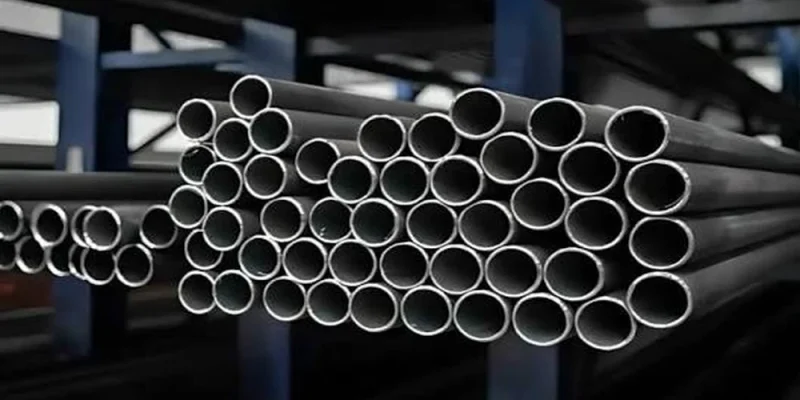
Key Takeaways
Service Steel & Pipe can provide businesses with access to quality steel and pipe products that support the strength, durability, and longevity of construction and manufacturing projects.
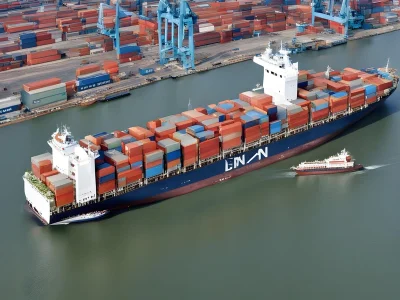
Reliable delivery services help businesses maintain project schedules, reduce material-related delays, and coordinate shipments with operational requirements.
Evaluating lifecycle costs-not just upfront material prices-can reveal significant long-term savings through reduced maintenance, repairs, and replacement needs.
Bulk purchasing can create economies of scale, potentially providing better pricing while strengthening relationships with dependable steel and pipe suppliers.
Expert consultation helps businesses select materials based on project specifications, industry requirements, and operational goals.
Working with a trusted distributor can improve supply chain stability by providing dependable material availability and proactive communication.
Responsive customer support makes it easier to resolve procurement issues, coordinate orders, and maintain productive long-term supplier relationships.
Quality Steel and Pipe Materials Support Long-Term Performance
In construction and manufacturing, material quality directly influences project performance. Choosing dependable steel and pipe products can help businesses maintain structural strength, durability, and compliance with applicable specifications.
Why Material Quality Matters for Long-Term Projects
Inferior materials can create significant problems over time, including premature wear, structural concerns, costly rework, and project delays. High-quality steel and pipe products are better positioned to withstand demanding operating conditions when they are appropriately specified for the application.
For this reason, procurement teams should examine material specifications, certifications, dimensions, and applicable standards before making purchasing decisions. A quality-focused supplier can also help businesses identify materials that align with their particular project requirements.
Quality materials can provide several advantages:
- Improved durability and service life
- Better resistance to demanding operating conditions
- Reduced likelihood of premature replacement
- Greater consistency across construction or manufacturing projects
- Better alignment with applicable specifications
The goal isn’t simply to purchase steel at the lowest possible price. It’s to obtain materials that provide dependable performance throughout the project’s expected lifecycle.
Reliable Delivery Keeps Projects Moving
Even the highest-quality materials have limited value if they aren’t available when a project needs them. Reliable delivery is therefore an important benefit businesses should consider when selecting a steel and pipe distributor.
How Timely Delivery Improves Project Logistics
Construction and manufacturing schedules often depend on multiple materials arriving at specific stages. A delayed steel or pipe shipment can affect crews, equipment, production schedules, and ultimately project deadlines.
A dependable supplier can help businesses coordinate deliveries around their operational requirements. Instead of treating delivery as a one-size-fits-all service, effective distributors work with customers to establish schedules that support their workflows.
Key advantages include:
- Reduced risk of material-related delays
- Better coordination between suppliers and project teams
- Delivery schedules aligned with project requirements
- Improved inventory planning
- Less disruption to daily operations
Reliable logistics can make procurement considerably easier, particularly for projects where timing is critical.
Lifecycle Cost Savings Can Outweigh Upfront Price
One commonly overlooked advantage of working with a quality steel and pipe supplier is the opportunity to reduce long-term costs. Focusing exclusively on the initial purchase price can obscure expenses associated with maintenance, repairs, replacements, and operational disruptions.
Evaluating Lifecycle Costs Instead of Purchase Price Alone
A material with a lower initial price isn’t necessarily the least expensive option over its entire service life. Higher-quality materials may require fewer repairs or replacements, potentially improving overall project economics.
Businesses should consider:
- Expected material lifespan
- Maintenance requirements
- Replacement frequency
- Installation and labor costs
- Potential downtime
- Operating efficiency
- Salvage or resale value where applicable
This broader perspective gives procurement teams a more realistic understanding of what their material choices may cost over time.
The lowest upfront price doesn’t always represent the lowest total cost.
How Bulk Purchasing Can Improve Cost Efficiency
Businesses with substantial material requirements may also benefit from bulk purchasing. Larger orders can create economies of scale and potentially provide more favorable pricing.
However, bulk purchasing isn’t only about discounts. Establishing predictable ordering patterns with a reliable distributor can also improve supply planning and simplify future procurement.
Potential benefits include:
- Volume-based pricing opportunities
- Greater negotiating leverage
- More predictable material availability
- Improved supplier relationships
- Better inventory planning
For businesses that regularly require steel and pipe products, developing a strategic purchasing approach can create meaningful long-term efficiencies.
Expert Guidance Helps Businesses Select the Right Materials
Steel and pipe products come in different specifications, sizes, grades, and configurations. Selecting the wrong material can affect performance, increase waste, or create unnecessary project complications.
How Consultation Services Streamline Material Selection
Professional guidance can help businesses evaluate their specific requirements before placing an order. Instead of relying exclusively on generic product information, companies can discuss project conditions, dimensions, performance expectations, and application requirements.
Useful consultation services may include:
- Reviewing project specifications
- Evaluating material requirements
- Assessing existing inventory
- Providing product recommendations
- Identifying opportunities to reduce material waste
Expert guidance can be particularly valuable for specialized projects where material selection has a direct impact on performance.
Tailored Solutions for Different Industries
Different industries have different material requirements. A construction project may have different specifications from a manufacturing operation, infrastructure project, or specialized industrial application.
A supplier that takes those differences into account can provide more relevant recommendations instead of applying the same solution to every customer.
Tailored material solutions can help businesses:
- Improve operational efficiency
- Reduce unnecessary material waste
- Match products to specific applications
- Simplify procurement
- Address specialized project requirements
This personalized approach can ultimately make the purchasing process more efficient and productive.
Strong Supplier Partnerships Improve Supply Chain Stability
A dependable steel and pipe distributor can become more than a source of materials. Over time, a strong supplier relationship can contribute to better inventory planning, communication, and supply chain resilience.
How Trusted Distributors Support Supply Chain Stability
Supply chains can face unexpected challenges, including demand increases, material shortages, transportation problems, and changing market conditions. Businesses that maintain strong relationships with reliable suppliers may be better positioned to respond to these situations.
Effective supplier partnerships can involve:
- Proactive inventory updates
- Communication about market conditions
- Advance planning for high-demand periods
- Long-term sourcing strategies
- Consistent order coordination
Having a supplier that understands a company’s recurring requirements can make procurement more predictable.
Why Customer Support Matters in Metal Distribution
Customer service is another benefit that is easy to overlook. Questions about specifications, availability, delivery schedules, and orders can arise throughout a project.
Responsive customer support allows businesses to address these issues efficiently. Clear communication can also prevent misunderstandings and keep procurement teams informed about changes that could affect their operations.
Strong customer support may include:
- Prompt responses to product inquiries
- Order and delivery updates
- Assistance with material selection
- Issue resolution
- Ongoing communication with customers
Ultimately, dependable service and communication help transform a simple supplier relationship into a long-term business partnership.
FAQ
What factors should businesses consider when selecting a steel and pipe supplier?
Businesses should evaluate material quality, specifications, certifications, product availability, delivery capabilities, pricing, technical guidance, and customer support. A supplier should be capable of meeting both current project requirements and future procurement needs.
How do customized material solutions improve project outcomes?
Customized solutions account for the specific requirements of a project rather than relying on generic products. This can improve material compatibility, reduce waste, streamline workflows, and support better overall project performance.
Can bulk purchasing reduce steel and pipe costs?
Bulk purchasing may provide opportunities for volume-based pricing and improved negotiating terms. However, businesses should also consider storage requirements, material usage, and cash flow before placing large orders.
Why is reliable delivery important for construction and manufacturing?
Steel and pipe deliveries are often tied to specific project stages. Delays can affect labor schedules, production, equipment usage, and deadlines. Reliable delivery helps businesses maintain smoother operations and better coordinate their resources.
What is a lifecycle cost assessment?
A lifecycle cost assessment considers the total cost of a material throughout its expected service life. This can include the initial purchase price, installation, maintenance, repairs, replacement, downtime, and other related expenses.
What differentiates a strong steel and pipe supplier?
A strong supplier combines dependable product quality with reliable delivery, knowledgeable consultation, responsive customer service, and consistent communication. These qualities can make procurement more predictable and support long-term business relationships.
How does communication improve supply chain stability?
Regular communication about inventory, lead times, pricing, and market conditions allows businesses to plan ahead. Proactive updates can help procurement teams respond to potential shortages or delays before they significantly affect operations.
How can businesses ensure they order the right steel and pipe products?
Businesses should provide detailed project specifications, dimensions, application requirements, performance expectations, and applicable standards to their supplier. Working with knowledgeable professionals can then help ensure the selected materials are appropriate for the intended use.
Useful Resources
- American Steel Solutions – Focuses on steel quality and its application in construction.
- American Institute of Steel Construction (AISC) – Provides guidelines, standards, and resources on steel construction practices.
- National Stone, Sand and Gravel Association (NSSGA) – Offers resources related to the construction materials industry, including steel.
- Facility Marketplace (fmlink) – Insights on lifecycle cost management in facility management.
- Construction Dive – News and analysis related to construction trends and materials.
- The International Register of Certificated Auditors (IRCA) – Information on quality assurance and assessment in manufacturing.
- Council of American Structural Engineers (CASE) – Offers resources and best practices specifically for structural engineers.
- U.S. Environmental Protection Agency (EPA) – Guidance on lifecycle assessment and sustainability practices.







Comments