
 By
By 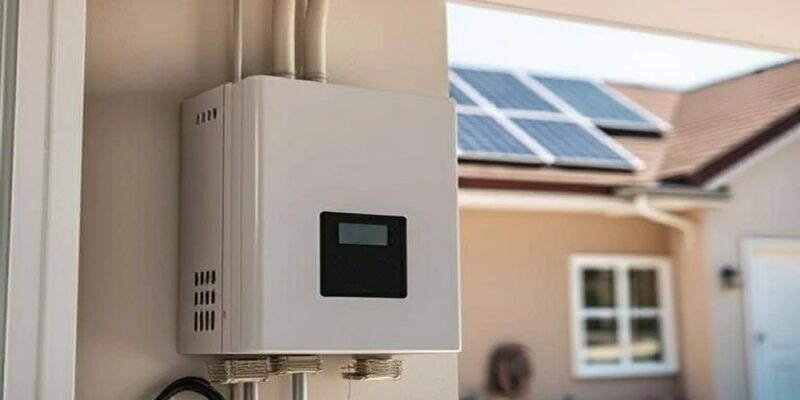
Electricity has become an integral part of regular life. Today’s homes require a constant supply of electricity for working adequately. Nevertheless, power cuts is still a common problem in many parts of India. No matter the power has been out for a couple of minutes or several hours, it can affect daily activities, impact work, and interrupt communication.
For maintaining power in any case, many homes install inverters to keep essential appliances operating when the main electricity supply is not available. But choosing an inverter solely on current needs can lead to limitations later. As households add modern appliances and adopt more technology, energy demand eventually increases. The right inverter unit helps ensure consistent backup power, as well as supports your home’s evolving energy needs.
Discuss these questions first
When comparing multiple inverter brands or checking varied prices, you must be aware of your future energy needs.
- Will you buy an electric vehicle in the next few years?
- Do you want to add a battery later without full replacement?
- Are you expecting complete visibility through an app to know if something is not working?
- How important is having electricity in your space when the grid goes down?
Asking yourself these questions will help in choosing an inverter system that suits your lifestyle, not only now, but also for the upcoming years.
How does the inverter system help future-proof your home?
The job of an inverter is more than offering backup power during outages. It has an important role in preparing the home for future energy requirements. An inverter designed solely for current usage may struggle to keep up with upcoming changes like adding more appliances, smart devices, and high-power electronics.
Choosing future-ready inverters ensures your system is able to handle growing energy requirements. Today’s inverter systems are designed thoughtfully so they will support advanced battery technologies, higher power loads, and expandable setups. By getting this flexibility, homeowners will be allowed to upgrade their power systems without changing the whole setup.
Investing in the right inverter now improves reliability and efficiency while reducing the chances of costly upgrades later. Other than this, the best system keeps your home prepared for fast-moving technology and rising power demands.
Understanding the key requirements
The following are some primary aspects that you should consider before you close in on an inverter for your home.
Every inverter system has different working capabilities. The wrong type can limit your system’s capabilities in the future.
- Pure Sine Wave Inverter Systems
These inverters create the same amount of power as the electricity supplied from the utility grid. However, clean and stable output is 100% safe for all appliances like refrigerators, air conditioners, TVs, and laptops. Modified sine wave inverters are on the cheaper side but may harm sensitive electronics over time.
- Hybrid Inverters
Hybrid inverters are the most future-ready option as they combine solar with battery functionality in a single unit. Hybrid inverters draw power from solar panels, store energy in batteries, and pull electricity from the grid when needed.
- Solar-Only Inverters
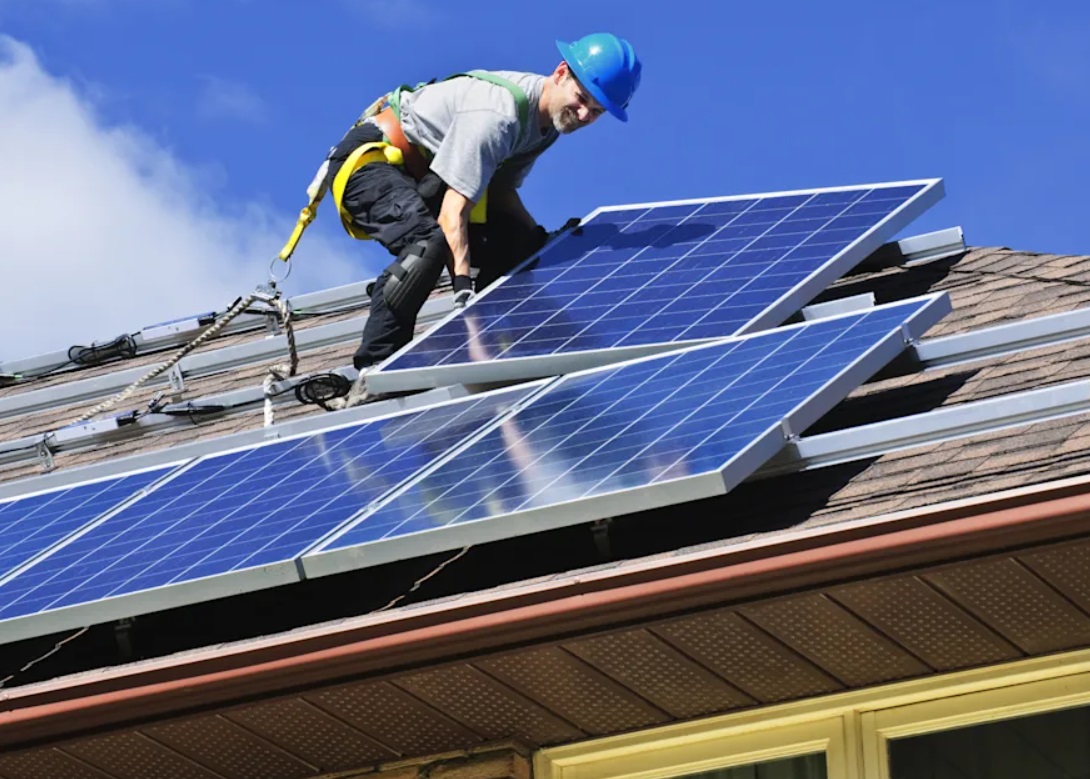
Designed for homes who already have solar panels but do not use battery storage. Solar-only inverters supply power when there is sunlight but provide no backup during power outages.
- Off-Grid Inverters
Best for properties operating completely independent of the main electricity grid. For most urban households, a hybrid inverter coupled with a lithium-ion battery provides the utmost flexibility as well as long-term value.
How long your system is able to supply electricity during an outage depends completely on the battery. The battery may also affect charging speed, efficiency, and overall lifespan.
Lead-acid batteries are broadly used for being affordable in the beginning. However, they require regular care, take quite a long time to charge, and usually need replacement every two to three years. Also, their efficiency ranges between 60% and 70%, which means some stored energy is lost.
While selecting an inverter, make sure to confirm it supports multiple battery types. Systems locked to a single battery brand may force you to replace everything when an upgrade becomes necessary.
Inverters without having monitoring features leave users clueless about how their system is performing. Fortunately, modern inverter units have mobile apps or online dashboards built into them. Users are able to receive real-time information such as energy production, battery levels, and home consumption. Thanks to this visibility, you will also be able to identify faults quickly and determine whether the system is working as it used to.
Some advanced inverters also allow time-of-use performance. This feature allows the inverter to charge the batteries during off-peak power hours and use the stored energy during peak hours. Over time, this method can significantly reduce your electricity bill.
Residential electricity usage is anticipated to increase in the upcoming years. Electric vehicles, additional AC systems, and home office equipment will increase energy demand. An inverter system designed only for today’s usage may become insufficient very quickly.
When assessing your power needs, determine your peak load and add an additional margin of about 20% to 25%. By doing so, you’ll get to know whether or not the system can handle additional appliances in the future.
Expandable battery systems also enable you to increase storage capacity gradually with growing needs. Before purchasing an inverter unit, confirm that it supports both additional battery capacity and an extra solar panel unit.
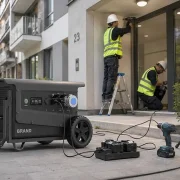
Even the best inverter system can underperform if installation has not done correctly. By getting it done from a trusted professional, your system will work safely and more efficiently.
Excessive heat may shorten the lifespan of electronic parts. Thus, it’s better to keep your inverter in a well-ventilated area where there is no sun.
Warranty coverage is the next crucial factor you should definitely consider when buying an inverter. Most reputed inverter brands provide warranties, which typically range from 5 to 10 years. It is good to check whether the manufacturer offers firmware updates and regular customer support.
Built for the Future, Not Just Today
Home energy requirements are changing quickly. Smart home technology, electric vehicles, and rising electricity costs are transforming the way of power consumption in homes and offices. Choosing the right inverter requires you to look beyond your current needs. If you invest in the right inverter today, your home will remain prepared for future energy demands. By making the right choice, you can find a system that will fit your space, and plus supports your home’s long-term power requirements.










Comments