
 By
By 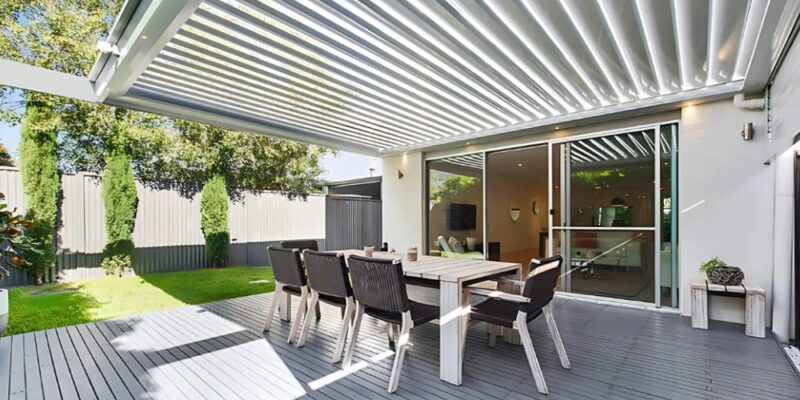
Most Australians don’t realise their outdoor area sits unused for months on end each year. Summer heat drives everyone inside by midday. Winter rain turns patios into no-go zones. Spring’s unpredictable weather makes alfresco dining feel like a gamble. Louvre roof systems change this completely, though not in the obvious ways people first imagine.
Weather Protection on Demand
Something catches people off guard when they first use adjustable louvres. Closing them doesn’t create that boxed-in feeling you’d expect. The blade design seals everything overhead whilst keeping that breezy, open sensation from the sides. You’re watching the rain, not hiding from it. A slight angle during drizzle means fresh air without getting soaked. This kind of precise control transforms actual usage patterns rather than just keeping you dry.
Enhanced Ventilation Control
Solid roofs create what tradespeople call the oven effect. Heat gets trapped and temperatures soar well above the surrounding area. Louvre roof systems work differently because hot air can escape upward through partially opened blades. Cooler air flows in from the sides at the same time. Angle those blades right during humid summers and the difference hits you immediately. Your space stays comfortable without fans or misting systems, which surprises people who think they’re just getting fancy roofing.
Natural Light Management
Morning coffee under open louvres feels completely different from afternoon drinks under angled blades. Same structure, totally different atmosphere. What most homeowners don’t anticipate is how light angle affects temperature alongside brightness. Late afternoon sun pouring through opened blades will absolutely cook your outdoor furniture. Tilt them to block direct rays whilst letting diffused light filter through. Suddenly the space stays pleasant enough for gatherings that stretch well past sunset.
Architectural Appeal
Standard pergolas make every house look identical to its neighbours. Louvre systems create distinction, but only when you move past the predictable colour choices everyone defaults to. Charcoal blades against rendered brick deliver sharp visual contrast. Monument tones actually complement Colorbond roofing better than matchy-matchy colours that read as afterthoughts. Blade spacing deserves consideration too. Wider gaps suit sleek modern homes. Tighter spacing works with traditional architecture. These details separate custom installations from obvious catalogue purchases.
Increased Property Value
Estate agents mention outdoor entertaining areas adding value, though that’s not the complete story. Buyers specifically call out adjustable louvres during property inspections. They signal low maintenance and serious weather resilience. Fixed structures prompt questions about durability and future upkeep. Motorised systems particularly appeal to downsizers who want outdoor living without physical effort. The structure itself isn’t what adds value. It’s the message sent about how smoothly the home functions.
Durability and Longevity
Powder coating quality separates louvre roof systems that endure decades from those showing wear within years. Marine-grade finishes withstand coastal salt spray that destroys standard coatings. Here’s the detail most installers skip over. Blade thickness matters more than brand recognition. Thicker aluminium resists flexing during wind events. This prevents seal degradation that eventually causes leaks. The blade profile deserves scrutiny as well. Reinforced designs handle Australian wind loads without that maddening rattle during storms.
Seamless Indoor-Outdoor Integration
Expensive sliding doors only make sense if your outdoor area stays comfortable year-round. Otherwise they remain shut and you’ve wasted serious money. Louvre roofs make the integration actually functional rather than aspirational. You’ll genuinely leave doors open during summer because covered areas don’t trap sweltering heat. Winter meals can extend outdoors when blades are closed but angled to capture whatever sunlight’s available. This alters traffic flow through your entire home in ways fixed roofing cannot replicate.
Smart Home Compatibility
Rain sensors sound brilliant until they close your louvres during brief showers that pass quickly. Better systems let you adjust delay settings. Light rain won’t trigger pointless closures that way. Wind sensors prove more valuable in Australian conditions overall. They automatically close blades when gusts hit dangerous speeds. This prevents structural damage you mightn’t spot until significant harm’s already occurred. Voice control impresses dinner guests. Scheduled automation based on sun position actually improves daily comfort without requiring any conscious thought.
Conclusion
Installing louvre roof systems means honestly assessing what you want from outdoor space versus what marketing promises. The genuine advantage isn’t weather protection alone. It’s reclaiming months of outdoor living currently surrendered to climate extremes. Adjustable blades don’t simply cover your patio. They fundamentally alter how your household uses the property throughout every season. For Australians pursuing authentic indoor-outdoor living rather than superficial versions, louvre roof systems deliver outcomes that static structures cannot possibly match.






Comments