
 By
By 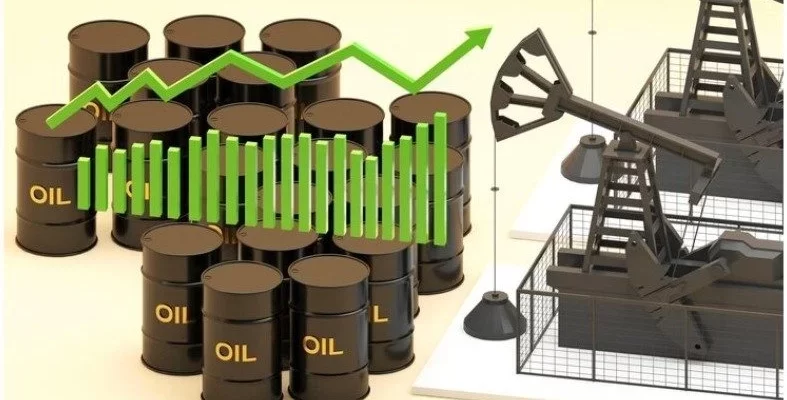
For many rural homes across the UK, heating oil remains a reliable and efficient way to stay warm. However, unlike mains gas, Domestic heating oil shropshire requires forward planning. Prices fluctuate, deliveries are ordered in bulk, and winter demand can drive costs higher.
Creating a clear budget for heating oil helps avoid unexpected expenses and ensures your home stays warm throughout the year.
Here is a practical guide to budgeting effectively.
1. Understand Your Annual Usage
The first step is knowing how much heating oil your household typically uses.
Average UK homes consume between 1,000 and 2,500 litres per year, depending on:
- Property size
- Insulation quality
- Boiler efficiency
- Household occupancy
- Weather conditions
Check previous invoices or delivery records to calculate your yearly consumption. If you are unsure, your supplier may be able to provide historical data.
Once you know your average usage, you can estimate your annual fuel requirement more accurately.
2. Track Price Trends
Heating oil prices change throughout the year. They are influenced by:
- Global oil markets
- Seasonal demand
- Supply chain costs
- Currency exchange rates
Prices often rise during colder months when demand increases. Many homeowners choose to top up tanks during spring or summer when prices can be more stable.
Monitoring price trends helps you plan purchases strategically rather than ordering in an emergency.
3. Avoid Emergency Deliveries
Running out of heating oil is one of the most expensive mistakes you can make.
Emergency deliveries may:
- Cost more per litre
- Include call out fees
- Leave you temporarily without heating
A simple budgeting rule is to reorder when your tank reaches around 25 percent capacity. Installing a tank gauge makes monitoring levels easier and prevents last minute panic orders.
4. Spread the Cost Monthly
Instead of facing one large bill during winter, consider spreading the cost across the year.
You can do this by:
- Setting aside a fixed monthly amount
- Using a supplier budget plan if available
- Saving into a dedicated heating fund
For example, if your estimated annual heating oil spend is £1,800, setting aside £150 per month makes winter top ups more manageable.
5. Improve Efficiency to Reduce Costs
Budgeting is not only about planning payments. It is also about reducing consumption.
Simple ways to lower heating oil usage include:
- Servicing your boiler annually
- Improving loft and wall insulation
- Installing smart thermostats
- Draught proofing windows and doors
- Bleeding radiators regularly
The Energy Saving Trust provides useful guidance on improving home efficiency, which can significantly reduce fuel bills over time.
Even small improvements can reduce annual oil usage by several hundred litres.
6. Consider Group Buying
In some rural communities, neighbours coordinate bulk heating oil orders. Buying larger quantities can sometimes secure better per litre rates.
Group buying schemes can help:
- Lower delivery costs
- Secure competitive pricing
- Reduce individual order stress
It is worth exploring whether this option is available locally.
7. Plan for Cold Winters
Weather plays a major role in heating oil consumption. A particularly cold winter can increase usage significantly.
When budgeting, consider building in a contingency amount to cover harsher conditions. This provides flexibility if temperatures drop lower than expected.
8. Maintain Your Oil Tank
Unexpected tank leaks or contamination can lead to costly repairs and fuel loss.
Regular tank checks, preventing water ingress and ensuring proper maintenance protect both your fuel and your budget.
Guidance from organisations such as Oftec highlights the importance of safe and compliant oil storage for domestic properties.
Final Thoughts
Budgeting for heating oil costs requires planning, monitoring and efficiency. By understanding your annual usage, tracking prices and spreading costs throughout the year, you can avoid financial surprises and maintain consistent warmth in your home.
With proactive management and smart purchasing decisions, heating oil remains a reliable and manageable solution for rural and off grid households across the UK.













Comments