
 By
By 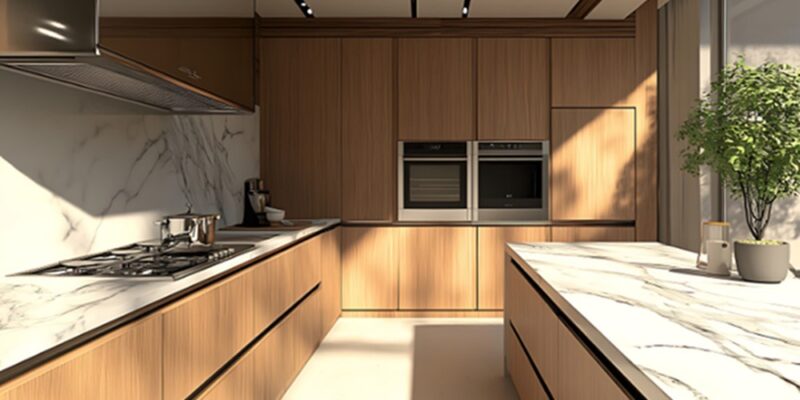
A kitchen can look stunning on day one and still feel frustrating every day after-usually because the layout fights your habits. “Flow” isn’t just a design buzzword. It’s the difference between a space where cooking feels effortless and one where you’re constantly sidestepping doors, bumping into handles, or walking laps just to make coffee.
Cabinet layout plays a huge role in that experience. Cabinets dictate where you store things, how you move, and whether multiple people can function in the room without chaos. Below are eight cabinet layout mistakes that commonly ruin kitchen flow-and practical ways to avoid them.
1) Ignoring the real work zones
One of the biggest missteps is designing cabinets around what looks balanced instead of how you actually use the kitchen. A good layout supports the key work zones: prep, cooking, cleanup, and storage. When those zones are scattered, you end up zig-zagging across the room.
Avoid it:
Map out your daily routine. Where do groceries land? Where do you chop? Where do pots and pans live? Keep prep tools near the prep surface, cooking tools near the range, and dishes near the dishwasher for easy unloading. You’ll save steps and reduce clutter.
2) Putting the trash too far from prep and cleanup
It’s amazing how many kitchens bury the trash in a random spot. If the bin isn’t near where you prep food, you’ll drip scraps across the floor, make extra trips, and create a mess during peak cooking moments.
Avoid it:
Place a pull-out trash/recycling cabinet near the main prep area-ideally between the sink and the prep counter. That single decision can make the kitchen feel faster and cleaner instantly.
3) Creating cabinet-door traffic jams
Cabinet doors that collide with each other-or with appliances-can turn simple tasks into awkward choreography. Think: an oven door blocking access to a base cabinet, a dishwasher door preventing someone from reaching the trash, or two cabinet doors that smash into each other at a corner.
Avoid it:
Plan for “door swing” clearances. Consider changing a hinged door to drawers, adjusting the cabinet run, or using specialty solutions (like a blind corner pull-out) so doors aren’t fighting for the same space.
4) Choosing too many narrow cabinets instead of drawers
Narrow base cabinets with shelves force you to crouch, reach, and dig. They often become clutter caves where items disappear behind other items. This slows you down and makes the kitchen feel cramped-even if it’s a decent size.
Avoid it:
Use wide drawers in base cabinets whenever possible. Drawers bring everything into view and make it easy to grab cookware, lids, small appliances, and pantry items without unloading half the cabinet first.
5) Mishandling corner cabinets
Corners can be the most valuable storage in the kitchen-or the most wasted. A poorly planned corner cabinet becomes a black hole where you lose small appliances, serving platters, and anything else you rarely want to retrieve.
Avoid it:
Don’t treat corners like leftover space. Options that improve flow include:
- A lazy Susan for predictable access
- Blind corner pull-outs that bring items to you
- A drawer-based corner solution (more premium, often worth it)
- Or simply “dead corner” the space and use drawers on both sides if that yields better daily usability
6) Skipping landing zones near key appliances
Flow breaks down when there’s nowhere to set things down. If you can’t place groceries near the fridge, hot trays near the oven, or dishes near the dishwasher, you’ll end up using the nearest open spot-which often becomes permanent clutter.
Avoid it:
Build in landing zones:
- A clear counter stretch next to the fridge (for unloading)
- A heat-safe landing area near the oven or cooktop
- Space near the microwave for stirring, plating, and grabbing utensils
Cabinets should support those zones, not crowd them out.
7) Placing uppers where they block sightlines and movement
Overly bulky upper cabinets-especially around peninsula seating or between rooms-can make a kitchen feel boxed in. They can also create awkward reach zones where you’re constantly dodging cabinet doors at head level.
Avoid it:
Use uppers strategically. Consider open shelving in limited spots, glass-front uppers to lighten the visual weight, or shifting storage needs to tall pantry cabinets. A kitchen that feels open often functions better because people can move and communicate more easily.
8) Not planning for “real life” clearances
Even a gorgeous design can fail if there isn’t enough room for people to pass each other, open drawers fully, or work with appliances in use. This is where cabinetry and spacing decisions collide.
Avoid it:
Plan for comfortable pathways and working clearances:
- Make sure drawers can fully extend without hitting islands, seating, or appliance handles
- Ensure multiple zones can operate at once (someone unloading the dishwasher while someone else cooks)
- Prioritize layouts that support two-person kitchens if you cook together often
If you’re coordinating kitchen cabinet installation NY, confirm the plan accounts for real door swings, appliance specs, and trim details before anything is built.
A simple way to sanity-check your cabinet layout
Before committing, do a “day-in-the-life” walkthrough. Pretend you’re:
Great cabinet design isn’t just about style-it’s about reducing friction. Fix these common layout mistakes, and your kitchen will feel smoother, calmer, and far more enjoyable to use every single day.










Comments