
 By
By 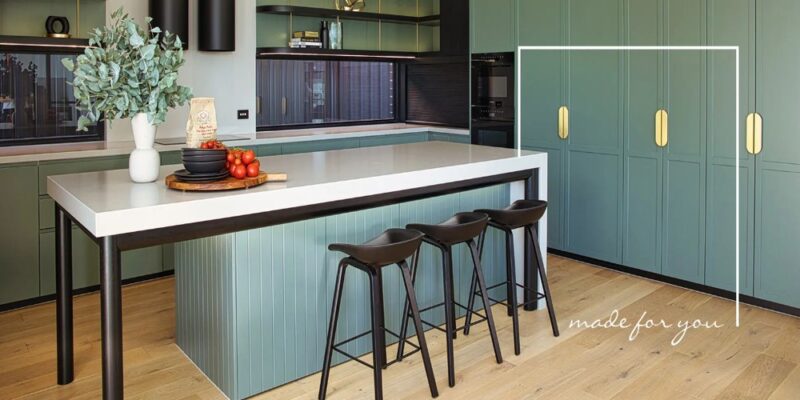
Most Adelaide homeowners put the kitchen last. The lounge gets repainted, the bathroom gets retiled, the carpets get swapped out – and the kitchen just sits there. Chipping. Sticking. Looking tired. Nobody really talks about it until something breaks properly. That neglect costs more than people realise, and not just in the obvious ways. Kitchen renovations in Adelaide have shifted well beyond a quick cosmetic update. Homeowners are finally asking harder questions about why their kitchens are not working – and finding that the answers go much deeper than cabinet colour.
Heat Nobody Talks About
Adelaide kitchens absorb a brutal amount of summer heat. Gas cooktops, poor window placement, and dark cabinetry all compound that problem. Switching to induction cooking alone changes the thermal experience of a kitchen dramatically – less ambient heat, less humidity from combustion, and a surface that stops generating heat the moment cooking ends. Homeowners who have made this change during a renovation tend to bring it up unprompted. It is one of those things that sounds like a minor detail until you have spent a run of forty-degree days cooking in a kitchen that functions like a slow oven.
The Work Triangle Nobody Fixed
Plenty of older Adelaide homes – particularly the post-war fibro and brick builds across the southern and western suburbs – were fitted with corridor kitchens that were never designed for modern cooking habits. The fridge, sink, and cooktop are too far apart, or arranged in a way that requires constant backtracking. Kitchen designers refer to this as a broken work triangle. Fixing it during a renovation is not glamorous work. It rarely photographs well for Instagram. But households that correct it report that cooking feels less exhausting, and that is not a small thing when you are doing it every single day.
What Buyers Clock Immediately
Stylists working in suburbs like Norwood, Prospect, and Unley say the same thing repeatedly: buyers form their emotional response to a property within the first half-minute. The kitchen is almost always visible from the entry in open-plan homes, and peeling laminate or yellowed handles registers as neglect – even if everything else is spotless. Thoughtfully executed kitchen renovations in Adelaide shift that first impression entirely. The market response is not abstract. It shows up in offers.
The Cabinetry Problem Nobody Mentions
Kitchens fitted before the nineties were often built using particleboard with low resistance to moisture. Steam, splashing, and years of humidity cause it to swell and warp from the inside out, and as the adhesives break down, they can off-gas into the kitchen environment. This is not a scare story – it is a materials reality that renovation gives homeowners a proper chance to address. Replacing those cabinets with products that meet current Australian standards is a practical improvement, particularly for households with kids or anyone sensitive to air quality.
Bench Height Is a Design Fault
The standard bench height used across Australian kitchens was established decades ago for a particular body type and never meaningfully revisited. For anyone outside that average – shorter, taller, or managing a back condition – it creates strain that compounds quietly over years. A kitchen renovation is genuinely the only opportunity most homeowners will have to correct this without starting from scratch. Custom bench heights cost relatively little extra during a full renovation, and the difference in daily comfort is hard to overstate once you have experienced it.
Overhead Cabinets Are Overrated
The instinct to fill every wall with overhead storage makes kitchens feel smaller and darker than they need to be. Those upper cabinets also tend to be where things go to be forgotten – the serving dish used once a year, the appliance that never got returned. Designers working on Adelaide renovations increasingly steer clients toward deeper drawers at bench height, full-height pantry towers, and selective open shelving. Things become easier to find, the kitchen feels less enclosed, and the layout stops relying on reaching and hunting.
Cooking for Company Has Changed
Adelaide has a genuine food culture, and the way locals entertain has shifted noticeably over the years. Formal dining has largely given way to people gathering around the kitchen itself – grazing, talking, sometimes helping. A kitchen that was designed as a closed workroom handles this badly. Opening the layout, dropping a bench to allow eye contact with guests, or simply creating enough bench run for two people to work side by side without colliding – these are changes that make a home far more enjoyable to live in, not just to show off.
Conclusion
The kitchens that get ignored the longest tend to be the ones that need the most rethinking – not just updating. Kitchen renovations in Adelaide are at their best when they treat the space as a system rather than a surface. Heat management, layout logic, materials integrity, ergonomics – these are the things that determine whether a kitchen actually works. A fresh benchtop on top of a broken layout is just expensive disappointment. Getting the fundamentals right is what separates a renovation that feels good for a month from one that still feels right ten years later.









Comments