
 By
By 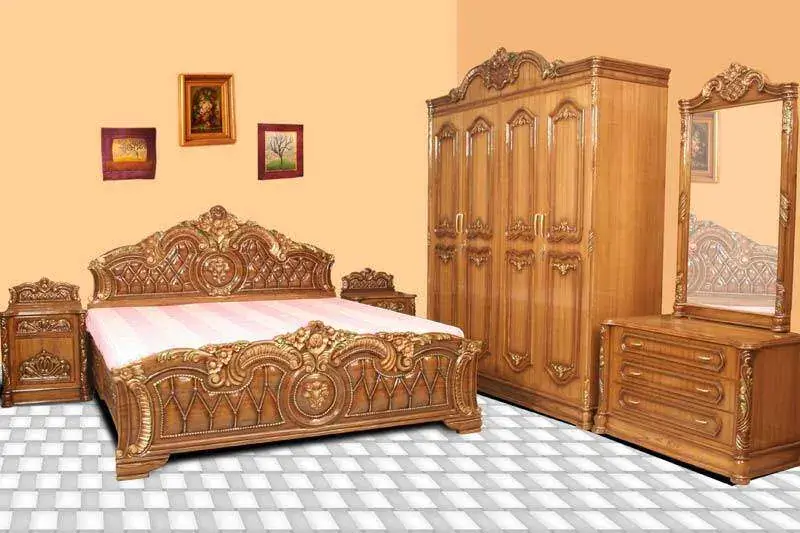
Furniture is more than just functional items to fill a room—it defines the style, comfort, and personality of a home. From cozy living rooms to efficient workspaces, choosing the right furniture can dramatically enhance both the aesthetics and usability of your space. Whether you are moving into a new home, redecorating, or simply looking to upgrade, understanding the fundamentals of furniture selection is crucial. This guide explores furniture types, materials, trends, and maintenance tips to help you make informed choices that suit your lifestyle.
Types of Furniture and Their Role
Furniture serves different purposes depending on the room and the activities it accommodates. Understanding the types of furniture helps in planning the layout and design of your home effectively.
Living Room Furniture
The living room is often the heart of the home—a place for relaxation, entertainment, and social gatherings. Key furniture items include:
Sofas and Sectionals: Provide comfort and can serve as a statement piece. Sectionals offer flexible seating arrangements.
Coffee Tables: Functional for placing drinks, books, or decor items while complementing the sofa style.
TV Units and Entertainment Centers: Organize electronics neatly and maintain a clean look.
Accent Chairs and Shelving: Add style and extra seating while providing storage or display options.
Bedroom Furniture
Bedrooms are personal retreats designed for relaxation and rest. Essential pieces include:
Beds: The focal point of any bedroom, available in various sizes and styles.
Nightstands: Convenient for bedside essentials.
Dressers and Wardrobes: Offer storage solutions while enhancing the room’s aesthetics.
Storage Beds and Benches: Multifunctional options for compact spaces.
Dining Room Furniture
Dining areas combine functionality with style, making them central to family interactions. Popular furniture includes:
Dining Tables and Chairs: Select size and shape based on the room’s dimensions and seating needs.
Sideboards and Cabinets: Provide storage for dishes, cutlery, and linens while adding a decorative element.
Bar Stools and Buffets: Enhance usability and style in modern dining layouts.
Office Furniture
With remote work becoming increasingly common, home office furniture is critical for productivity. Key items include:
Ergonomic Chairs: Support proper posture and long hours of work.
Desks and Workstations: Provide organized space for computers, documents, and office supplies.
Shelving Units and Filing Cabinets: Keep essentials organized while maintaining a tidy workspace.
Materials Matter: Choosing Furniture That Lasts
The material of furniture affects its durability, maintenance, and overall look. Some common options include:
Wood: Offers timeless appeal, strength, and versatility. Solid wood is long-lasting, while engineered wood provides budget-friendly alternatives.
Metal: Modern and durable, ideal for industrial or minimalist designs.
Glass: Creates an elegant and open feel, often used for tables and shelving.
Upholstery: Fabric and leather options add comfort. Leather is durable and easy to clean, while fabric offers a variety of colors and textures.
Understanding the pros and cons of each material ensures your furniture remains functional and visually appealing for years.
Furniture Trends in 2025
Keeping up with trends can help create a contemporary and stylish home. Popular trends include:
Multifunctional Furniture: Items like sofa beds, storage ottomans, and foldable desks optimize space in small homes.
Sustainable and Eco-Friendly Designs: Reclaimed wood, bamboo, and recycled materials are increasingly popular.
Minimalist Aesthetic: Clean lines, neutral colors, and uncluttered designs dominate modern interiors.
Bold Colors and Statement Pieces: Accent chairs, patterned cushions, and vibrant rugs add personality and charm.
Tips for Choosing the Right Furniture
Selecting furniture is about balancing aesthetics, functionality, and budget. Consider the following tips:
Measure Your Space: Ensure furniture fits comfortably without overcrowding the room.
Identify Your Needs: Prioritize what the room requires—extra storage, seating, or workspace.
Invest in Quality: Durable furniture may cost more upfront but offers longevity and better value.
Match Your Style: Furniture should complement the overall interior design and reflect your personality.
Think Long-Term: Choose timeless designs that remain stylish despite changing trends.
Maintaining Your Furniture
Proper maintenance extends the life and appearance of your furniture. Key tips include:
Regular dusting and cleaning appropriate to the material.
Protecting wood and upholstery from direct sunlight.
Using protective pads under furniture legs to prevent scratches.
Promptly addressing minor repairs or damages.
Rotating cushions and mats to prevent uneven wear.
Conclusion
Furniture is essential for creating a home that is both functional and visually appealing. From living rooms and bedrooms to dining areas and offices, thoughtful furniture dubai selection can transform spaces into inviting, comfortable, and stylish environments. By understanding the types, materials, trends, and maintenance practices, you can make informed decisions that enhance your lifestyle. Remember, furniture is not just about filling space—it’s about creating a home that reflects your personality, meets your needs, and stands the test of time.















Comments