
 By
By 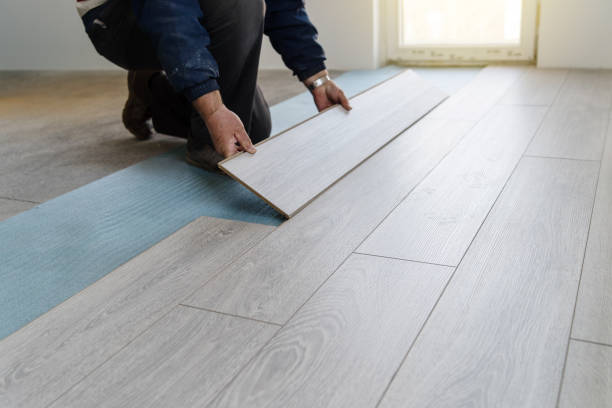
The flooring beneath our feet does far more than support our steps — it sets the tone for how a space feels, functions, and reflects our values. In recent years, sustainable flooring has emerged as one of the strongest design movements in both residential and commercial interiors. Homeowners, architects, and designers are no longer just seeking visual appeal; they’re choosing materials that tell a story of responsibility, innovation, and long-term performance. Welcome to the world of eco-chic interiors, where style meets sustainability.
Why Sustainable Flooring Matters
Environmental awareness has reshaped nearly every industry, and interior design is no exception. Traditional flooring materials such as vinyl and synthetic carpets often contain chemicals and non-renewable resources that contribute to pollution and landfill waste. In contrast, sustainable flooring options are designed to minimize ecological impact — from sourcing and manufacturing to installation and disposal.
Eco-friendly floors use renewable materials, require less energy to produce, and can be recycled or repurposed at the end of their lifespan. For homeowners, this means lower carbon footprints without sacrificing design or comfort. For businesses, it’s a tangible way to demonstrate environmental responsibility while creating healthier, more inviting spaces.
Top Sustainable Flooring Materials for Modern Homes
Let’s explore the eco-friendly flooring options that are redefining 2025’s interior design trends.
Bamboo Flooring
Bamboo is one of the most popular sustainable flooring materials due to its rapid renewability — it grows to maturity in just five years, compared to hardwood trees that take decades. Its sleek, modern look fits seamlessly into minimalist and contemporary interiors. Engineered bamboo flooring is durable, easy to maintain, and available in a range of colors and finishes.
Cork Flooring
Harvested from the bark of cork oak trees without harming the tree itself, cork flooring is a naturally renewable resource. It’s soft underfoot, provides excellent insulation, and reduces noise — perfect for homes seeking warmth and comfort. Cork’s antimicrobial properties also make it an ideal choice for allergy-prone households.
Reclaimed Wood
For those who love the timeless charm of natural wood, reclaimed timber offers authenticity and sustainability in one. By repurposing wood from old barns, factories, or ships, this option reduces deforestation while preserving a sense of history. Each plank tells a unique story, adding depth and character to any room.
Natural Linoleum
Often mistaken for vinyl, natural linoleum is made from linseed oil, pine resin, cork dust, and wood flour — all biodegradable ingredients. It’s water-resistant, durable, and available in countless colors and designs. Unlike synthetic options, linoleum emits no harmful VOCs (volatile organic compounds), promoting cleaner indoor air quality.
Recycled Carpet Tiles
Carpet tiles made from recycled materials, such as discarded fishing nets or old carpets, combine sustainability with convenience. These modular tiles are easy to install, replace, and maintain, reducing waste and long-term costs. Many modern offices, including those using Carpet Dubai collections, have adopted this solution for its eco-conscious design flexibility.
Designing Eco-Chic Spaces: Blending Beauty with Responsibility
Sustainability no longer means sacrificing aesthetics. Today’s flooring manufacturers are integrating innovative textures, tones, and finishes that cater to every design vision — from Scandinavian minimalism to bold industrial chic.
Imagine pairing pale bamboo floors with natural linen drapes for a breezy coastal feel, or using reclaimed oak planks to anchor a modern farmhouse interior. In luxury settings such as hotels, offices, or Masjid Carpet installations, eco-friendly flooring can blend traditional craftsmanship with modern design sensibilities.
Sustainable flooring options also complement the growing trend of biophilic design — interiors that connect people with nature. By using natural materials and earth-inspired color palettes, designers create spaces that are not only beautiful but also calming and restorative.
The Health and Wellness Connection
Eco-friendly flooring doesn’t just help the planet; it benefits people directly. Many sustainable materials are free from toxic chemicals, ensuring better indoor air quality. For example, natural linoleum and cork floors emit no harmful gases, making them ideal for homes with children or pets.
Moreover, flooring choices influence acoustic comfort and temperature regulation. Cork and carpet tiles absorb sound, reducing noise pollution in busy spaces, while bamboo and reclaimed wood offer natural insulation that can lower energy bills.
Hospitals and clinics increasingly prefer Hospital Carpet and sustainable vinyl alternatives that promote cleanliness without compromising environmental goals. Similarly, prayer spaces utilizing Mosque Carpet or Masjid Carpet designed from eco-friendly fibers can maintain spiritual serenity alongside ecological mindfulness.
Maintenance Made Simple
Sustainable flooring is often easier to care for than conventional materials. Regular sweeping, gentle vacuuming, and occasional damp mopping are enough to preserve its appearance. For natural wood or bamboo, using non-toxic, plant-based cleaning products keeps the surface protected without releasing harmful residues.
The modular nature of carpet tiles allows for easy spot replacement, reducing the need for full-scale refurbishments. This practicality makes eco-friendly flooring a long-term, cost-effective investment for both residential and commercial environments.
Sustainable Flooring in Commercial and Institutional Spaces
Beyond homes, sustainable flooring is gaining traction in offices, hotels, schools, and religious facilities. In the Middle East, for instance, Carpet Dubai suppliers are offering green-certified flooring solutions tailored to high-traffic environments. Businesses appreciate that eco-friendly floors contribute to LEED certifications and enhance brand reputation.
From luxury suites using reclaimed wood to educational campuses adopting recycled carpet tiles, these solutions prove that environmental responsibility and design excellence can coexist harmoniously. Even healthcare and spiritual spaces, featuring Hospital Carpet, Masjid Carpet, and Mosque Carpet, are embracing eco-friendly innovations that combine comfort, durability, and cultural aesthetics.
The Future of Flooring Is Green
As climate concerns continue to influence consumer decisions, the flooring industry is moving decisively toward sustainability. Advanced manufacturing techniques now make it possible to produce stylish, durable floors with minimal ecological footprint. Smart recycling programs, renewable resources, and toxin-free finishes are setting new standards for what we consider “luxury.”
Choosing sustainable flooring isn’t just a design decision — it’s a commitment to a healthier home, a cleaner planet, and a more mindful way of living. Whether you’re renovating a cozy apartment, designing an elegant office, or selecting eco-friendly Carpet Dubai options for a corporate project, sustainable flooring brings beauty, ethics, and endurance under one roof.
Final Thoughts
Sustainability and style are no longer opposites — they’re partners shaping the future of interior design. Eco-chic interiors demonstrate that responsible choices can still be luxurious, elegant, and timeless.
From Hospital Carpet and Mosque Carpet to reclaimed wood and recycled tiles, every material has the potential to make a positive impact. By choosing sustainable flooring Dubai you’re not only transforming your living space — you’re contributing to a global movement toward balance, beauty, and environmental harmony.














Comments