
 By
By 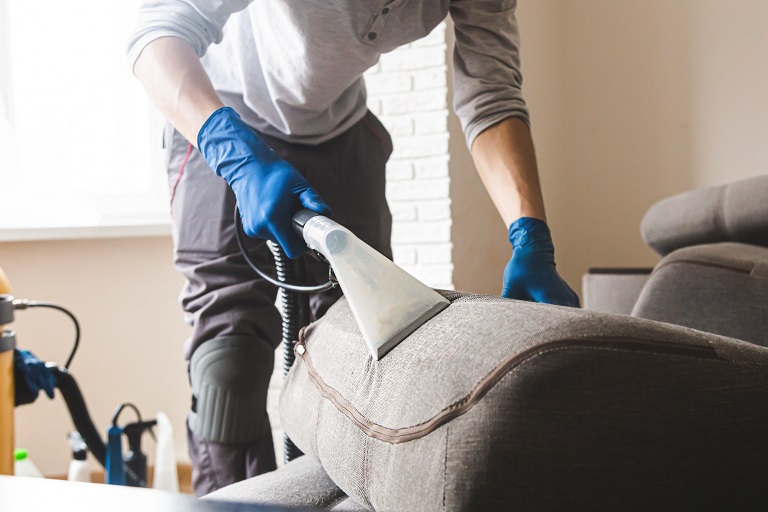
When your sofa starts showing signs of wear and tear, you may wonder whether to replace it or repair it. For many homeowners, sofa repair is a smart option—it saves money, reduces waste, and restores comfort and style. But before choosing a service, it’s essential to understand the differences between leather sofa repair and fabric sofa repair. Both require different skills, techniques, and costs, and knowing the details will help you make the right decision for your home.
Why Sofa Repair Is Worth Considering
Sofas are more than just furniture—they’re investments in comfort and design. Over time, they endure heavy use, spills, scratches, and structural issues. Instead of buying a brand-new piece, sofa repair can:
Extend the lifespan of your furniture.
Save money compared to replacement.
Maintain sentimental value if it’s a favorite piece.
Support sustainability by reducing waste.
Once you decide on repair, the next question is: Does your sofa need leather repair or fabric repair—and what’s the difference?
Leather Sofa Repair: What to Expect
Leather sofas are popular for their durability, timeless appeal, and luxurious feel. But they’re not immune to damage. Over the years, leather can crack, fade, or tear. Professional leather sofa repair services focus on restoring the material’s strength and beauty.
Common Leather Sofa Issues
Cracks and dryness from low humidity or aging.
Fading and discoloration caused by sunlight or cleaning chemicals.
Scratches and scuffs from pets or sharp objects.
Tears or punctures from accidents.
Repair Techniques for Leather Sofas
Cleaning and conditioning to restore softness and shine.
Color restoration or re-dyeing to fix fading.
Patch repairs or leather fillers to mend small cracks and tears.
Panel replacement for severe damage.
Pros of Leather Sofa Repair
Leather repairs can restore an elegant look.
Treated leather becomes more durable.
Easier to clean and maintain after repair.
Considerations
Leather repair can be more expensive than fabric repair.
Matching the original color and texture requires skilled professionals.
Fabric Sofa Repair: What to Expect
Fabric sofas come in a wide variety of styles, colors, and materials—from cotton and linen to polyester and velvet. They are comfortable and versatile, but they also face unique repair challenges.
Common Fabric Sofa Issues
Stains and spills from food, drinks, or pets.
Fading due to sun exposure.
Tears or fraying from regular use.
Sagging cushions that lose shape over time.
Repair Techniques for Fabric Sofas
Professional cleaning to remove deep stains.
Reupholstery to replace worn-out fabric with a fresh design.
Cushion refilling with foam or padding for comfort.
Stitching and patching for minor tears.
Pros of Fabric Sofa Repair
Wide choice of fabrics for customization.
More affordable than leather repair in most cases.
Easy to give your sofa a new look with reupholstery.
Considerations
Fabric is more prone to future staining.
Some materials wear out faster than leather.
Leather vs. Fabric Sofa Repair: Key Differences
When comparing the two, here are the main factors to keep in mind:
| Feature | Leather Repair | Fabric Repair |
| Durability after repair | Long-lasting if treated properly | Depends on fabric quality |
| Cost | Usually higher | More budget-friendly |
| Customization | Limited color matching | Wide fabric and design options |
| Maintenance | Easy to clean and condition | Requires stain protection and cleaning |
| Aesthetic appeal | Luxurious and elegant | Cozy, versatile, and colorful |
How to Choose the Right Service
When selecting a sofa repair service, consider:
Type of damage: Is it a small crack or a major reupholstery job?
Budget: Leather repair typically costs more but may be worth it for high-end furniture.
Style preference: Do you prefer the classic look of leather or the cozy vibe of fabric?
Service expertise: Always choose professionals who specialize in the material of your sofa.
Tip: Ask for before-and-after photos of past work to ensure the service provider has the right experience.
Maintenance Tips to Avoid Frequent Repairs
A little care goes a long way in extending your sofa’s life.
For Leather Sofas
Keep away from direct sunlight to prevent fading.
Use a leather conditioner every 6–12 months.
Clean spills quickly with a damp cloth.
For Fabric Sofas
Vacuum regularly to remove dust and dirt.
Use fabric protectors to guard against stains.
Rotate cushions to prevent uneven wear.
Final Thoughts
Choosing between leather sofa repair Dubai and fabric sofa repair depends on your sofa type, the extent of damage, and your long-term preferences. Leather repairs often focus on restoring luxury and durability, while fabric repairs offer affordability and customization. Both options can breathe new life into your furniture and save you from the cost of buying new.
Before deciding, consult a professional sofa repair service that understands the specific needs of your material. With expert care, your sofa can look and feel as good as new—whether it’s sleek leather or cozy fabric.













Comments