
 By
By 
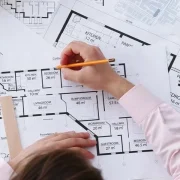
Buildings constructed according to design drawings, calculations, and codes can still develop structural weaknesses with regular use. Material settling, shifting loads, and daily use introduce stresses that blueprints cannot fully predict. As a result, structures that seem sound on paper may perform differently after years of use.
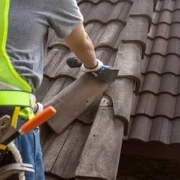
Time, modifications, and deferred maintenance impact structures. Assessing how wear, changes, and neglect accelerate deterioration bridges the gap between design and real-world performance.
Concrete gradually shrinks and deforms under sustained loads. Columns may decrease in height at varying rates. Beams deflect, and slabs change shape depending on steel reinforcement and load history.
Early material movement often goes unnoticed. Finishes absorb and conceal stress. Over time, cracks appear at transitions. Floors become uneven, and door frames lose alignment. These signs reflect material behavior, not construction defects. This explains why buildings may eventually perform differently than originally designed.
Steel structures endure repeated loads from daily use, such as elevator operation, machine vibrations, and foot traffic. These cycles cause gradual shifts, leading to loosened bolts and strained welds.
Fatigue weakens steel gradually as it continues to bear loads from daily building operations. With daily use, vibration, noise, or reduced function can lead to safety issues. Buildings are also constantly exposed to changing weather. Temperature fluctuations widen cracks and accelerate material wear.
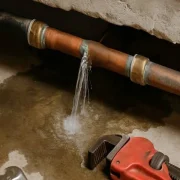
Drainage patterns may change as landscaping or nearby systems alter water flow. Persistent moisture can cause rust, weaken materials, and increase pressure on building components, which inspections can reveal. A thorough property condition assessment NJ can help identify corrosion pathways, vibration, and shifting loads. Regular assessment also helps track how time, changes, and maintenance affect the building.
With the help of a structural engineer NJ, property owners learn about necessary repairs and maintenance best practices. Delaying inspections limits repair options and raises expenses. Repeated use can create hidden issues, showing that real-world performance may differ from the initial design.
To learn more about the gap between design and actual building conditions, read this infographic by Lockatong Engineering.








Comments