
 By
By 
Selling a property involves more than placing a listing online and waiting for enquiries. Buyers often begin forming opinions as soon as they see photographs, walk through the entrance, or enter the first room. A carefully prepared interior can make those early moments more positive and help visitors understand how the property could suit their lifestyle.
Creating a Strong First Impression
The first impression can influence how prospective buyers approach the rest of a viewing. Clean, uncluttered spaces tend to make rooms feel more inviting, while excessive furniture or personal belongings can distract from important features.
This is where home staging can provide a structured approach to preparing interiors for the market. Instead of simply decorating a property according to personal taste, the focus is on presenting each space in a way that allows potential buyers to recognize its practical and visual appeal.
A tidy entrance, well-maintained surfaces, and thoughtfully arranged furniture can establish a sense of care from the beginning of a viewing.
Furniture Placement and Buyer Perception
Furniture affects how buyers understand the size and purpose of a room. Oversized pieces can make an otherwise spacious area appear restricted, while too little furniture may leave visitors unsure about how the space can be used.
Arranging furniture around natural movement paths can improve the flow between rooms. In living areas, seating can be positioned to demonstrate comfortable conversation spaces. In bedrooms, appropriately sized furniture can reinforce the available floor area without overwhelming it.
The objective is not to fill every corner but to provide enough visual information for buyers to imagine their own belongings in the property.
Using Lighting, Colour, and Décor
Lighting can significantly change how an interior appears during a viewing. Opening curtains and blinds allows natural light to become part of the presentation, while strategically positioned lamps can brighten darker areas.
Colour choices can also affect perception. Neutral and balanced tones may create a broader appeal because they provide a simple backdrop for different decorating preferences. Small decorative touches can add warmth without drawing attention away from architectural features.
Mirrors, artwork, cushions, and carefully selected accessories can contribute to visual balance when used thoughtfully. The key is maintaining enough restraint for the property’s features to remain the focus.
Preparing Different Property Types
Every property requires a slightly different presentation strategy. A compact apartment may benefit from furniture that emphasizes efficient use of space, while a larger family home may need arrangements that demonstrate how multiple living areas can function.
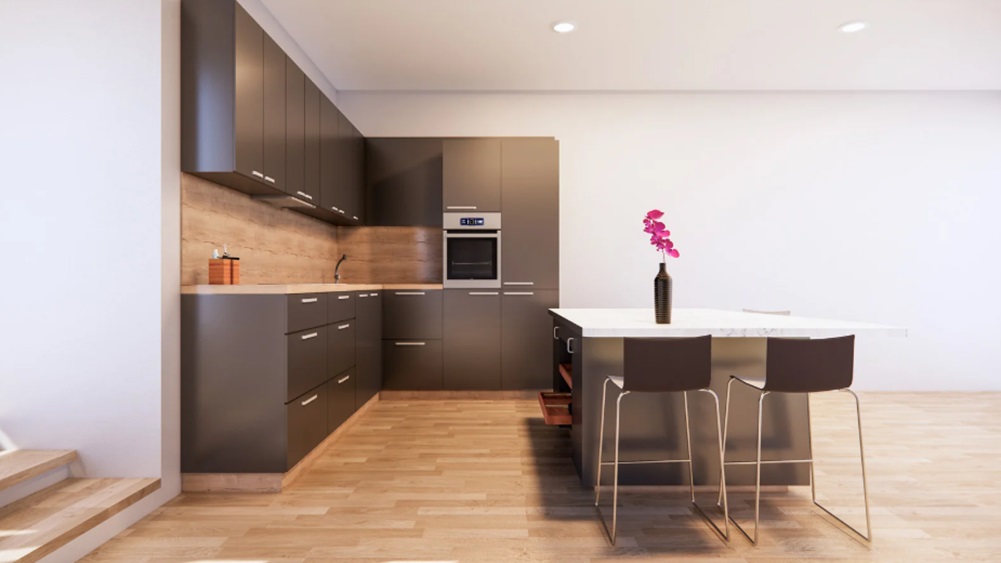
Older properties can be presented by highlighting distinctive architectural details, whereas modern homes may benefit from emphasizing open-plan layouts, natural light, or contemporary finishes.
Outdoor areas should also receive attention when they form part of the property’s appeal. Simple presentation can help buyers recognize how balconies, courtyards, gardens, or entertaining areas might fit into their lifestyle.
Supporting a Smoother Selling Process
Professional presentation can help create consistency between property photographs, online listings, and physical inspections. When buyers see an organized and appealing home across each stage, they may find it easier to evaluate the property.
For sellers, preparing the interior before marketing can also reduce last-minute adjustments. A considered approach gives photographers, agents, and prospective buyers a stronger visual foundation from which to assess the property.












Comments