
 By
By 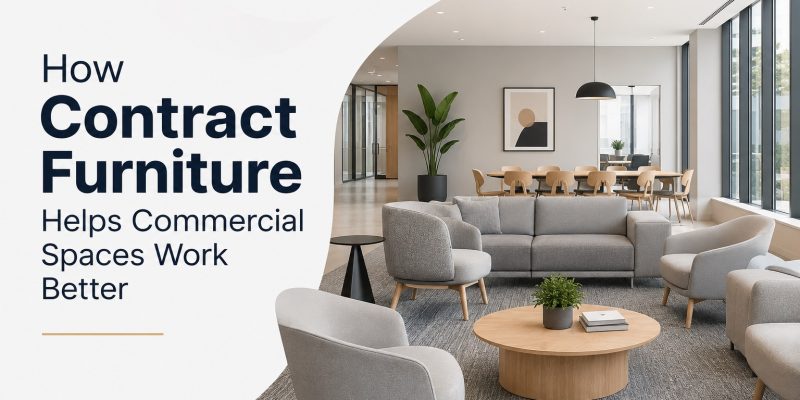
Why better furniture choices create better commercial spaces
A chair may look simple, but it carries a big job in a busy space. It must support guests, match the room, handle daily use, and stay easy to clean. We also need tables, booths, and seating to fit the way people move. Poor choices can lead to tight walkways, high repair costs, and unhappy visitors. Better planning, backed by Contract furniture, helps create spaces that feel good and work well. This guide explains what to check before selecting furniture for a commercial project. It also shows how the right choices can save time, control costs, and reduce common design mistakes.
We will look at how furniture supports different types of businesses. These include restaurants, bars, hotels, health care sites, colleges, offices, casinos, and country clubs across the United States. Each space has its own needs, but the main goals remain much the same. Furniture should be strong, safe, useful, and suited to the brand. It should also fit the floor plan without making the room feel packed. Let’s be honest, nobody enjoys squeezing between tables while holding a hot drink. With clear steps and simple checks, we can choose pieces that serve guests and staff for years. The result is a space that looks planned, feels calm, and supports daily work.
What makes commercial furniture different from home furniture
Commercial furniture is made for long hours and heavy daily use. A dining chair at home may be used a few times each day. A restaurant chair may serve dozens of guests during one shift. That difference affects the frame, joints, fabric, finish, and overall build. You should review how each piece was made before judging its style. A low price can look tempting, but quick wear often costs more later.
The best choice must suit the space and the people using it. A hotel lobby needs comfort, while a busy bar needs easy cleaning. Health care furniture may need firm support and surfaces that resist stains. University seating must handle frequent movement and changing room layouts. Corporate interiors often need a clean look with good back support. Casinos and country clubs may need custom pieces that match a clear theme.
Key features to check include:
- Strong frames and secure joints
- Easy-to-clean surfaces and fabrics
- Safe edges and stable bases
- Suitable size, height, and weight
- Clear warranty and care details
How to match furniture with each commercial setting
Start by looking at how the room is used each day. Count the people, note busy hours, and study how staff move. You should also check doorways, service paths, and emergency exits. Furniture must support the work instead of blocking it. A stylish booth has little value when servers cannot pass behind it. Good layout choices can improve both service speed and guest comfort.
Different spaces call for different furniture plans. Restaurants need seating that supports quick service and easy cleaning. Hotels need pieces that create comfort in rooms, lobbies, bars, and dining areas. Health care sites need safe surfaces and firm seating for many users. Universities may need flexible tables and chairs that can move with ease. Offices need furniture that supports focus, meetings, and shared work. Casinos and country clubs often need custom finishes that match the site’s image.
Use these checks before ordering:
- Confirm the room size and seating plan
- Match materials with cleaning needs
- Review guest and staff movement
- Check access for all users
- Plan space for future changes
Why planning before ordering saves time and money
Furniture orders involve more than picking colors from a catalog. You need correct sizes, counts, finishes, fabrics, and delivery dates. One wrong detail can delay an opening or force costly changes. Early planning gives designers, owners, and builders time to review each choice. It also helps teams avoid items that look good online but fail on-site. Yes, measuring twice still beats explaining a wrong order later.
- Check the floor plan
Measure each area and mark all fixed items. Include doors, columns, counters, and service zones. Leave clear paths for guests and staff.
- Set a clear budget
Include delivery, setup, and future care costs. Do not focus only on the first price. Strong furniture can reduce repair and replacement bills.
- Review material samples
Colors may look different under site lighting. Fabrics and finishes should also feel right in person. Test samples for stains, scratches, and daily wear.
- Confirm the schedule
Ask when each item will be made and shipped. Custom work often needs more time. Build that time into the project plan.
How to choose a furniture partner with confidence
A strong furniture partner should ask clear questions before making suggestions. They should want to know the space type, guest count, design goals, and schedule. They must also understand the demands of high-use commercial sites. Experience across several industries helps because each project brings different needs. You should expect honest advice about materials, lead times, and care. Avoid teams that push products before learning how the room works.
Look for a partner who can support both standard and custom needs. They should help review sizes, finishes, fabrics, and layout details. Clear communication is vital when many people are involved in one project. Designers, owners, contractors, and site teams need the same facts. Product details should be easy to check before an order is approved. Good support should also continue through delivery and final placement.
Before making a choice, ask about:
- Experience with similar commercial projects
- Custom sizes, finishes, and fabric options
- Production and delivery time
- Warranty and care support
- Help with large or phased orders
Build a space that works as well as it looks
The best commercial spaces balance style, strength, comfort, and smart use of space. Every chair, table, booth, and lounge piece should serve a clear purpose. Careful planning also helps reduce delays, waste, and future repair costs. We believe the right furniture plan starts with honest questions and ends with details that fit the site.
Take time to review your layout, daily needs, materials, and project schedule. Then work with a team that understands restaurants, hotels, offices, health care sites, universities, casinos, and clubs. Start the conversation early, share your project goals, and request guidance for your space. A well-planned furniture package can help your business welcome people, support staff, and perform better every day.










Comments