
 By
By 
Key Highlights
- Sourcing from Asia allows US firms to take advantage of significantly lower raw material costs and labour rates.
- High-volume production in Asian hubs leads to a lower price-per-unit, improving overall profit margins.
- Strategic partnerships in Asia provide access to massive manufacturing ecosystems, reducing lead times for bulk orders.
- Advanced infrastructure in major Asian industrial zones ensures high-quality output that meets American technical specifications.
Introduction
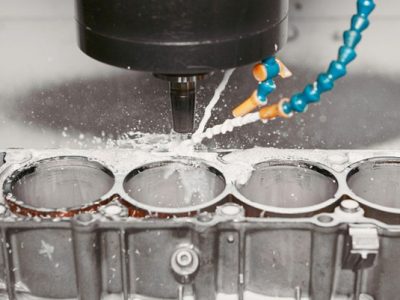
The competitive nature of the American Computer Numerical Control (CNC) manufacturing sector forces businesses to evaluate their operational expenses. While many engineers begin their journey by seeking the internet for “CNC services near me” to handle initial designs and small test runs, the financial reality of mass production often points toward international solutions. For a US company sourcing CNC parts from Asia, the potential for cost reduction is substantial. This move is not merely about finding the cheapest option; it is about leveraging a mature, massive manufacturing infrastructure that has been optimised for efficiency over decades. By integrating Asian sourcing into their supply chain, American firms can remain competitive while maintaining the high standards of quality that their customers expect.
Leveraging Lower Raw Material and Labour Costs
The most prominent factor in cost reduction when sourcing from Asia is the disparity in labour and material expenses. In the United States, skilled labour for precision machining comes at a high premium, which is reflected in local workshops’ quotes. In contrast, major manufacturing hubs in Asia offer a vast pool of highly trained technicians at a more competitive price. Additionally, these regions often serve as the primary processing centres for industrial metals and plastics. A US company sourcing CNC parts from Asia benefits from being closer to the source of these raw materials, which eliminates several layers of markup and international transport costs that domestic providers must pass on to their clients.
Economies of Scale in High-Volume Manufacturing
Small-scale local shops found via a search for “CNC services near me” are often best suited for bespoke projects or low-volume prototyping. However, their business models usually involve higher setup fees per part. Asian manufacturing facilities are frequently designed to handle enormous volumes, allowing them to spread setup and administrative costs across thousands of units. This economy of scale is where US companies find the most significant savings. When the production run moves from dozens to thousands of parts, the cost per unit in an Asian facility can drop to a fraction of the domestic equivalent. This financial breathing room allows American businesses to invest more heavily in marketing, research, and development.
Access to Integrated Manufacturing Ecosystems
Asia’s industrial zones are often organised as integrated ecosystems where all necessary secondary processes, such as heat treatment, anodising, and plating, are located within the same district as the CNC machining facility. For a US company sourcing CNC parts from Asia, this proximity means that parts do not have to be shipped to multiple locations for finishing. In the US, a part might be machined in one state and then sent to another for specialised coating, adding time and transport costs. The one-stop-shop nature of Asian industrial clusters significantly reduces logistical overheads and shortens the total production cycle, ensuring that finished components reach the assembly line faster and at a lower total cost.
Quality Control and Standardised Production
There is a common misconception that lower costs result in lower quality, but for professional manufacturers, this is rarely the case. Leading Asian CNC providers utilise the same high-end, European and Japanese-made machinery that top-tier US shops use. By establishing long-term relationships with these suppliers, a US firm can ensure that its rigorous quality control protocols are strictly followed. Many of these factories are ISO certified and are accustomed to meeting the precise tolerances required by American industries. The ability to receive high-precision, reliable parts at a lower price point allows US businesses to maintain their reputation for excellence while significantly improving their financial health.
Conclusion
Transitioning from local production to a global sourcing model is a significant step for any manufacturing business. For a US company sourcing CNC parts from Asia, the combination of lower overheads, economies of scale, and integrated industrial services creates a formidable competitive edge. By strategically balancing domestic design with international production, American firms can achieve efficiency that supports long-term stability and growth in a demanding global marketplace.
If your business is looking to optimise its operations or requires flexible logistics support, contact Disk Precision Group – USA for professional solutions tailored to your needs.








Comments