
 By
By 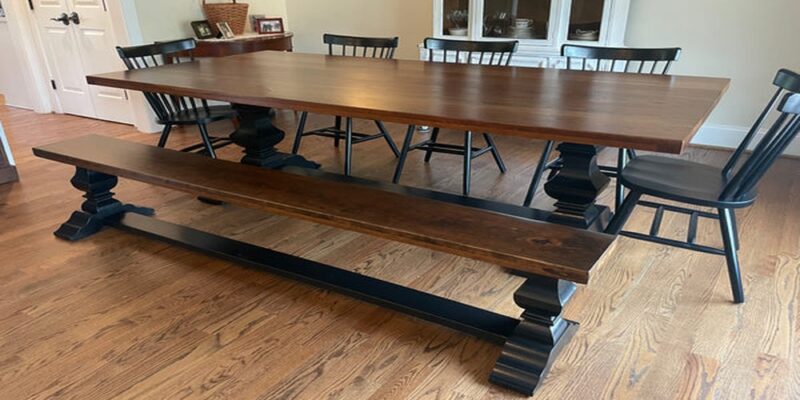
If you are shopping for dining tables, you already know the basics. You want something solid, sized right, and built to last. My role here is to help you think clearly about what matters, how to compare options, and how to avoid mistakes that lead to regret later. I look at dining tables through a practical lens, build quality, fit, and long term use. I will walk you through how I evaluate custom dining tables, why real wood matters, and how to choose a maker that delivers consistency and care.
Early in the buying process, many people start by browsing generic dining room furniture online. That approach often leads to compromises. If you want control over size, finish, and build quality, you should focus on custom options like real wood tables that are made to order instead of mass produced.
Why dining tables deserve more thought than most furniture
A dining table is not a side piece. It anchors the room and gets daily use. You eat there, work there, host people there, and live around it. If the table is wrong, the space feels off no matter how nice the rest of the room looks.
When I evaluate dining tables, I focus on four areas:
- Proportions that fit the room and seating needs
- Materials that age well instead of wearing out
- Construction that supports weight and movement
- Finishes that work with real life use
This is where many store bought dining room furniture sets fall short. They are designed to ship fast and sell wide, not to fit your home.
The value of custom dining tables
Custom dining tables solve problems that standard sizes cannot. I recommend custom when your space has limits, your seating needs vary, or your style does not match mass market designs.
With custom dining tables, you control:
- Length and width based on your room layout
- Table height and leg placement for comfort
- Wood species that match your style and wear needs
- Finish tone that works with your floors and lighting
This control matters if you want a table that feels intentional instead of forced into the room.
Why real wood tables matter long term
I advise avoiding engineered tops and thin veneers for dining tables. They look fine at first, but they limit lifespan and repair options.
Real wood tables offer clear benefits:
- Structural strength that handles daily use
- Natural grain variation that adds character
- Ability to refinish or repair years later
- Weight and stability that prevent wobble
Wood movement is normal and expected. A skilled builder plans for it. That is why the maker matters as much as the material.
How to think about dining room furniture as a set
Your dining table does not exist alone. Chairs, benches, and stools need to work with it in size and style.
I suggest planning your dining room furniture together:
- Table height should match chair seat height
- Leg spacing should allow chairs to slide easily
- Wood tones should complement, not compete
- Finishes should tolerate spills and contact
Custom builders often design chairs and benches alongside their tables, which leads to better balance across the set.
Why Legacy Hardwood stands out as a choice
When comparing custom furniture makers, I look for consistency, clear options, and a guided process. Legacy Hardwood checks those boxes.
They build custom dining tables using premium hardwoods with attention to durability and proportion. Their catalog includes modern and farmhouse styles that stay relevant over time. Each table is made to order, which allows size, finish, and details to match the customer’s space instead of forcing a standard format.
I respect that their collections often begin as custom commissions. That tells me they listen to real needs and turn them into repeatable designs. Their finish process recognizes natural wood variation instead of trying to hide it. That honesty is critical with real wood furniture.
The guided ordering process matters
Many buyers hesitate with custom furniture because decisions feel complex. A guided process removes that friction.
Legacy Hardwood supports customers through:
- Choosing a base design from proven styles
- Sizing the table for room and seating needs
- Selecting wood species and finishes
- Adjusting details for budget or function
Design consultants help narrow choices without pressure. That balance keeps the experience clear and manageable.
Seeing craftsmanship in person builds confidence
A showroom and working warehouse offers transparency. Being able to see furniture in production, touch samples, and review finished pieces helps buyers make informed decisions.
Legacy Hardwood’s Chantilly, Virginia location allows customers to understand how pieces are built, not just how they look in photos. That visibility builds trust in the process and the outcome.
What to expect with ordering and delivery
Custom furniture requires patience. Production times vary based on complexity and volume. Clear timelines and payment options make planning easier.
Legacy Hardwood provides estimated lead times, flexible payment methods, and delivery options that include in home setup. That structure supports buyers who want clarity from order to delivery.
Final guidance for choosing your dining table
If I were advising you directly, I would say this. Focus on fit first, materials second, and maker third. Avoid shortcuts that trade durability for speed. Choose real wood. Choose a builder that offers customization, guidance, and transparency.
A dining table should support daily life for years. When chosen well, it becomes a natural center of the home rather than a piece you work around.











Comments