
 By
By 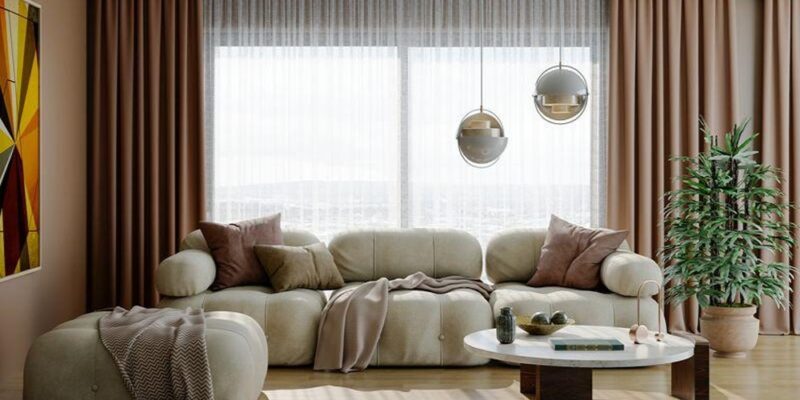
Choosing between curtains and blinds and day and night curtains is less about trends and more about how a home is actually used every day. While both options manage light and privacy, they behave very differently once installed and lived with. The right choice depends on control needs, room function, and how much flexibility a homeowner expects from their window treatments.
When Curtains and Blinds Work Better
Traditional curtains and blinds systems excel when precision and adaptability matter. Blinds-whether roller, Venetian, or vertical-allow fine-tuned control over light angles, while curtains provide softness, insulation, and visual framing. Together, they give homeowners layered control that adjusts easily throughout the day.
Curtains and blinds manage glare more effectively than day and night curtains, particularly in rooms that face strong sunlight, especially west-facing living areas. Blinds can reduce harsh light without totally blocking it, while curtains can be drawn when heat or privacy becomes an issue. This combination is also essential for bedrooms where complete darkness is occasionally needed, such as for shift workers or families with young children. Blackout curtains paired with blinds offer a level of light control that most day and night systems struggle to match.
Curtains and blinds also perform better in homes with uneven window sizes or unusual layouts. Bay windows, corner glazing, and full-height panels are easier to customise using separate curtains and blind components. Repairs or replacements are simpler too-if a blind mechanism fails, it can be fixed without touching the curtains, and vice versa.
Where Curtains and Blinds Can Fall Short
The downside of curtains and blinds lies in bulk and complexity. Layered systems take up more space, visually and physically, which can make smaller rooms feel crowded. Curtains also require regular cleaning, especially in homes near busy roads where dust builds up quickly. Daily operation can feel cumbersome as well-opening blinds, then adjusting curtains, is not always convenient for homeowners who value speed and simplicity.
Traditional curtains and blinds may feel outdated or excessive for people who want a clean, modern look with minimal visual interruption. This instance is where day and night curtains begin to appeal.
When Day and Night Curtains Make More Sense
Day and night curtains work best in spaces where simplicity and daily usability matter more than extreme control. Their alternating sheer and opaque layers allow light adjustment with a single pull, making them ideal for living rooms, study areas, or homes where windows are adjusted frequently throughout the day.
They suit modern interiors well, especially open-concept homes that benefit from a streamlined appearance. Due to its fewer layers and no need for separate curtain tracks, day and night curtains create a cleaner look that complements a minimalist design. Maintenance is generally easier too-fewer fabrics, fewer components, and less dust trapped between layers.
Day and night curtains strike a practical balance for homeowners who want consistent daylight without harsh glare. They filter light evenly rather than redirecting it, which works well for general living spaces rather than task-focused rooms.
Where Day and Night Curtains Don’t Perform as Well
Despite their convenience, day and night curtains have limitations. They rarely achieve total blackout, making them less suitable for bedrooms that require complete darkness. Privacy at night can also be compromised if interior lighting is really noticeable, as sheer sections may still allow silhouettes to show through.
They are also less flexible for irregular windows or very wide spans. Large panels may sag over time, and if the fabric mechanism wears out, replacement often means changing the entire system. This quality can be a drawback for homeowners who value long-term modularity.
Conclusion
Curtains and blinds work better when a home demands layered control, blackout capability, and flexibility across different rooms. Day and night curtains make more sense when simplicity, visual cleanliness, and everyday ease take priority. The better option is not universal; it depends on how light, privacy, and comfort are managed in actual daily living rather than how the window looks in a showroom.
Contact Window Art Gallery and let us assess your space, lighting needs, and daily habits before you commit to a window treatment that looks good but doesn’t perform.













Comments