
 By
By 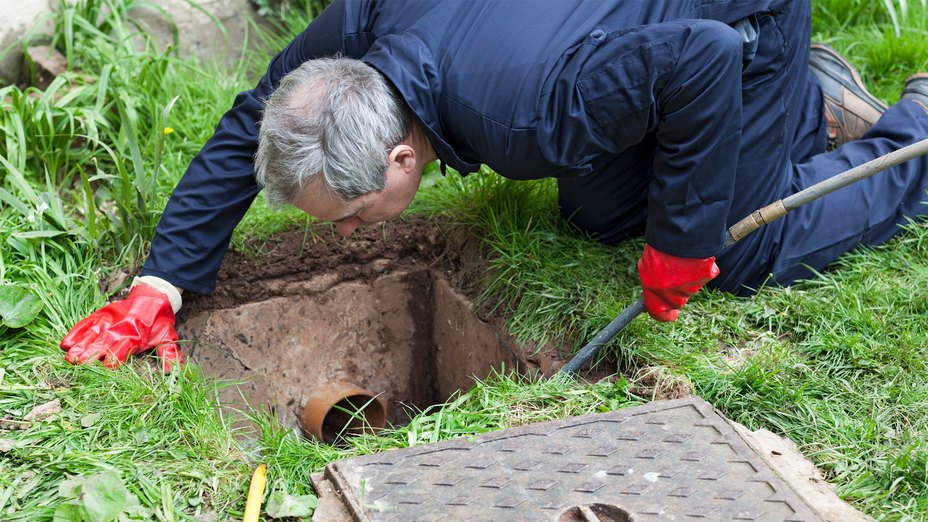
Why the Main Line Matters More Than You Think
The main drain line is the most important pipe in your home’s plumbing system. Every sink, shower, toilet, and appliance drains into this one pipe before the wastewater goes into the city sewer or septic tank. When the main line starts to slow down, the entire home feels the effects. Many homeowners don’t realize the main line is having trouble until multiple drains back up at once. Understanding the early signs can save you from stressful emergencies and expensive repairs.
Most clogs in your home happen in small, individual pipes, but a main line clog is different. It affects the whole house. If the main line becomes blocked, every drain connected to it loses the ability to move water out. Because the pipe is buried underground and out of sight, problems can grow without being noticed. Knowing what signs to watch for helps you catch issues early and avoid major damage.
Warning Signs That Point to a Main Line Problem
One of the biggest signs your home needs a main line cleaning is when drains in different rooms start acting up at the same time. For example, your shower may drain slowly while your toilet bubbles or your kitchen sink backs up. These problems happening together almost always mean the blockage is in the main line, not in separate pipes. Another warning sign is gurgling sounds coming from drains when water is running somewhere else in the house. This happens when trapped air tries to escape around a clog.
Frequent toilet backups are another strong signal. Toilets connect closest to the main line, so they are usually the first fixtures to show trouble. If your toilet overflows or backs up often, even after plunging, the main line may need professional cleaning. Bad smells coming from drains or floor drains can also point to a clog deeper in the system. As waste gets stuck, it can release strong odors into the home.
Water leaking around basement floor drains or bubbling up through them is a serious sign. This means wastewater is trying to escape through the lowest point in the house because it cannot move through the main line. Some homeowners also notice patches of very green or wet grass in their yard, which can be a sign of a break or blockage in the underground pipe.
Why Main Line Clogs Happen
Several things can cause the main line to clog. Tree roots are one of the biggest problems. Roots naturally search for moisture and can grow into small cracks in the pipe. Once inside, they spread and trap debris, creating a heavy blockage. Older homes often have clay or cast iron pipes that are more likely to crack or collapse over time. These weak spots catch debris and slow the flow of wastewater.
Grease is another major cause of main line issues. Even when homeowners don’t pour grease down the drain on purpose, small amounts from cooking, dishwashing, and cleaning slowly coat the inside of the pipe. As the grease hardens, it traps food, tissue, and other materials until the pipe becomes blocked. Things like wipes, paper towels, hygiene products, and other items that don’t break down easily can also cause serious clogs.
Main line problems can also come from heavy buildup of soap scum, hair, or sediment. Over time, these materials form thick layers inside the pipe. Once the pipe becomes narrow, even small pieces of debris can stop the flow.
When to Call a Professional Plumber
Main line clogs cannot be fixed with plungers, store-bought drain cleaners, or home tools. Because the line is deep and connects to the whole house, it requires special equipment like augers, hydro jetting machines, and drain cameras. A professional plumber can inspect the pipe, find the exact location of the clog, and remove it safely. Trying to fix the main line yourself can push the blockage deeper or damage the pipe.
If you notice any of the warning signs, call a plumber right away. Waiting too long can lead to sewage backing up into your home, which is unsafe and expensive to clean. Regular maintenance can also help prevent problems. A plumber can clean the main line once a year in homes with large families, trees in the yard, or a history of blockages.
As Jeff Whitaker from Phoenix Plumbing Pros explains, “When more than one drain acts up at the same time, it’s almost always the main line. A professional cleaning can stop the problem before it turns into a full backup.” Getting help early keeps your home comfortable, clean, and protected from major plumbing failures.








Comments