
 By
By 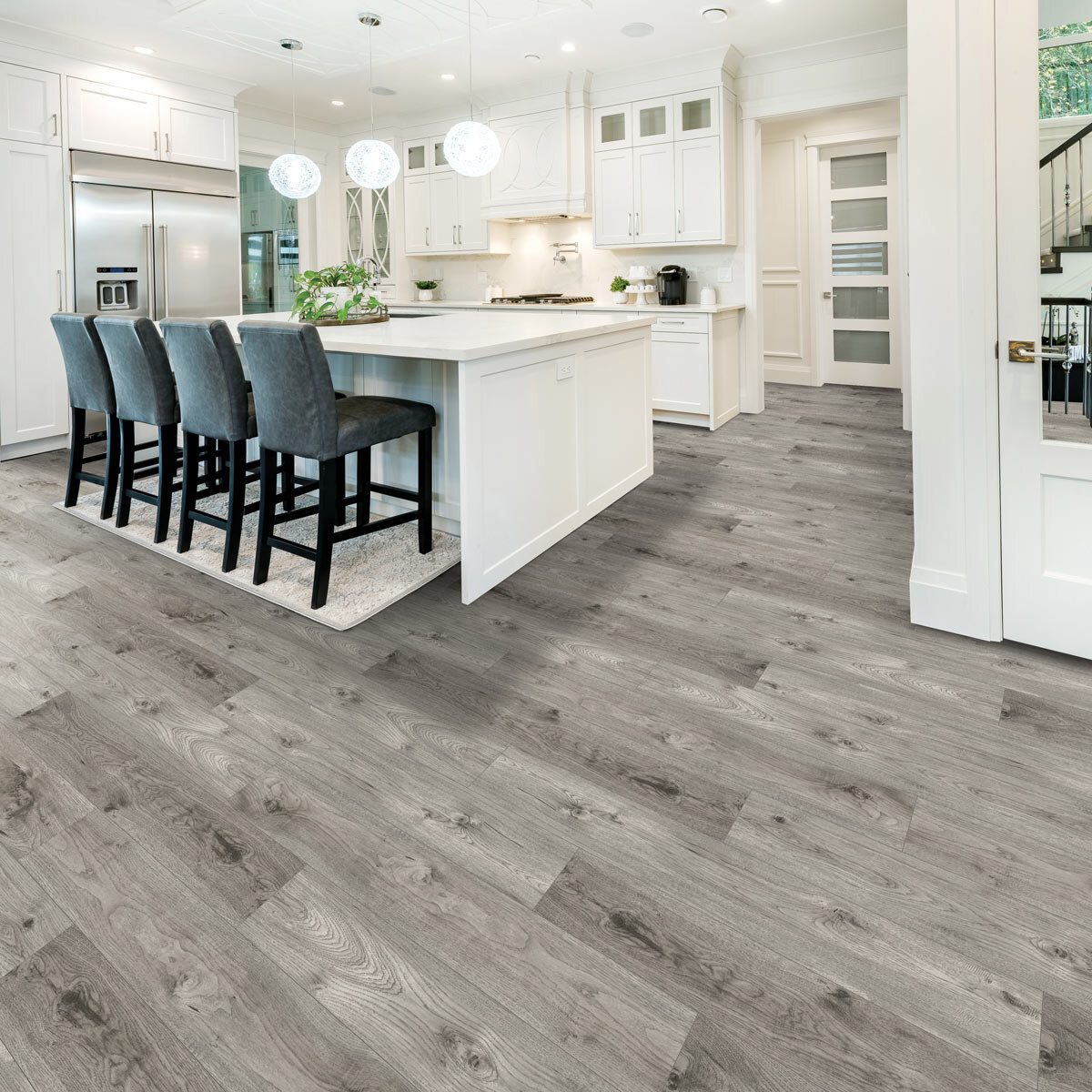
For decades, parquet flooring was considered a relic of the past — a hallmark of grand old homes and classical interiors. But like many timeless design elements, parquet has made a remarkable comeback. Today, it’s not just a nod to history; it’s a bold statement of contemporary style. From minimalist Scandinavian apartments to sleek modern lofts, parquet flooring is reclaiming the spotlight as one of the most desirable choices for modern homes.
A Brief History of Parquet Flooring
Parquet flooring dates back to 16th-century France, where it was first introduced in royal palaces as an alternative to marble. The word “parquet” comes from the French “parqueterie”, meaning a small, intricate pattern made of wooden pieces. Its geometric beauty quickly became a symbol of craftsmanship and luxury — famously adorning the halls of Versailles.
Throughout the 20th century, parquet flooring spread across Europe and beyond, becoming a staple in mid-century homes. But as wall-to-wall carpeting and laminate flooring took over, parquet’s popularity waned. Fast forward to today, and this elegant flooring style is once again at the heart of design conversations — with a modern twist.
Why Parquet Flooring Is Trending Again
So, what’s driving this resurgence? The renewed love for parquet is a blend of nostalgia, sustainability, and the evolving tastes of design-conscious homeowners. Here’s why parquet flooring is trending again in 2025:
Timeless Character Meets Modern Aesthetics
Today’s interiors crave authenticity — natural materials, texture, and a sense of heritage. Parquet delivers all of that effortlessly. Its intricate patterns bring depth and visual interest that flat, uniform flooring simply can’t replicate. Designers love using it as a bridge between the old and the new: classic craftsmanship meets contemporary minimalism.
Modern parquet comes in sleek finishes and neutral tones — think matte oak, ash grey, and smoked walnut — that complement today’s minimalist and Japandi-inspired spaces. The geometric patterns act like art for your floors, grounding even the simplest interiors with character and warmth.
Versatility Across Design Styles
One of parquet’s greatest strengths is its versatility. Whether you’re going for modern luxury, Scandinavian calm, or industrial chic, there’s a pattern and tone that fits.
Herringbone adds rhythm and movement to modern layouts.
Chevron brings sophistication and a sense of direction to open spaces.
Versailles or Mosaic patterns make a statement in classic or heritage-inspired interiors.
Even when mixed with modern materials like metal, glass, or concrete, parquet softens the aesthetic and adds a natural touch that feels effortlessly stylish.
A Sustainable and Long-Lasting Choice
As sustainability becomes a top priority in design, parquet flooring stands out for its eco-friendly credentials. Most parquet floors are made from responsibly sourced hardwoods and can last for generations with proper care.
Unlike synthetic flooring options, parquet can be refinished multiple times — extending its lifespan and reducing waste. Brands today are also innovating with engineered parquet, which uses less solid wood but retains the same luxurious look. This approach conserves resources while offering better stability for underfloor heating systems, making it ideal for modern energy-efficient homes.
The Beauty of Craftsmanship
In a world dominated by mass production, parquet flooring celebrates craftsmanship and artistry. Each block, panel, or plank is cut, arranged, and laid with precision. The geometry and symmetry create a sense of order that’s both calming and refined.
Artisans and flooring specialists have also revived traditional installation techniques, blending them with modern machinery for cleaner, more consistent results. The rise of bespoke parquet — where homeowners can customize patterns, wood types, and stains — has turned this flooring choice into a form of self-expression.
Low Maintenance with High Impact
While parquet may look delicate, it’s surprisingly easy to maintain. Modern finishes and sealants protect against scratches, moisture, and everyday wear. Regular sweeping and occasional polishing are usually enough to keep it looking pristine.
Engineered parquet, in particular, offers the beauty of hardwood without the sensitivity to humidity and temperature changes — perfect for high-traffic living spaces or even kitchens.
Modern Applications: How Designers Are Using Parquet Today
Today’s designers are reimagining parquet flooring beyond traditional living rooms. It’s now featured in bathrooms, kitchens, and even commercial spaces, thanks to improved sealing technologies.
In open-plan layouts, parquet is often used to define zones — for instance, using herringbone in the dining area and straight planks in the adjoining living space. Some designers mix tones or finishes to create subtle transitions, adding depth and personality to the room.
Parquet is also being paired with other materials like stone or tile for a stunning contrast. Imagine a marble kitchen island surrounded by warm chevron wood flooring — the effect is nothing short of breathtaking.
A Touch of Luxury That Feels Like Home
Parquet flooring’s charm lies in its ability to feel both luxurious and inviting. It’s a subtle show of sophistication — not flashy, but undeniably beautiful. Whether you’re restoring an old townhouse or designing a minimalist apartment, parquet offers a tactile warmth that makes any space feel grounded and complete.
Final Thoughts
Parquet flooring’s comeback isn’t just a trend — it’s a testament to timeless design. In an age when interiors are increasingly digital and automated, parquet reminds us of the enduring appeal of craftsmanship, texture, and natural beauty.
It’s no longer reserved for grand ballrooms or heritage Vinyl Flooring homes. Today’s parquet is versatile, sustainable, and effortlessly chic — a perfect example of how tradition can evolve without losing its soul.
So, if you’re planning a home renovation or simply want to elevate your interiors, parquet flooring might just be the statement piece your modern space deserves.













Comments