
 By
By 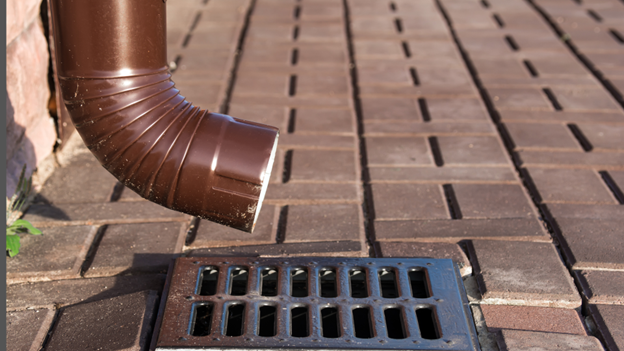
Downspouts may not be the first thing homeowners think about when it comes to curb appeal or home maintenance, but they play a critical role in protecting a property. By carrying rainwater safely away from the roofline and foundation, they prevent erosion, leaks, and structural damage. The material you choose for your downspouts influences not only performance but also durability, cost, and appearance.
Here’s a breakdown of six common downspout materials, including their pros, cons, and expected lifespan.
1. Aluminum Downspouts
Pros:
Aluminum is one of the most popular choices thanks to its lightweight nature and resistance to rust. It’s easy to cut, handle, and install, making it accessible for both homeowners and professionals. Aluminum is also highly customizable, available in dozens of colors to match your siding or trim.
Cons:
The downside of aluminum is its softness. It dents easily if struck by ladders, branches, or hail. In colder climates, it may also be more prone to warping under heavy ice loads.
Lifespan:
On average, aluminum downspouts last 20–30 years with regular care. Proper painting or coating can extend their life even further.
2. Vinyl (PVC) Downspouts
Pros:
Vinyl downspouts are budget-friendly and simple to install, making them attractive for DIY projects. They’re lightweight, resistant to rust, and available in neutral colors that blend with most exteriors.
Cons:
Vinyl has limited durability. It becomes brittle in cold temperatures and may crack or warp under prolonged sun exposure. Vinyl also offers fewer style and color options compared to metals.
Lifespan:
Expect 10–20 years of performance under mild conditions, though homes in extreme climates may see vinyl fail sooner.
3. Copper Downspouts
Pros:
Copper is the premium choice for downspouts. Its stunning appearance naturally develops a greenish patina over time, adding character and elegance to historic or upscale homes. Copper is exceptionally durable, resisting corrosion and weathering better than most alternatives.
Cons:
The main drawback is cost. Copper downspouts can be several times more expensive than aluminum or vinyl. They can also attract thieves, given the resale value of scrap copper.
Lifespan:
Copper downspouts can last 50–100 years, often outliving the home itself with proper maintenance.
4. Galvanized Steel Downspouts
Pros:
Galvanized steel is valued for its strength. It resists dents and holds up under heavy snow, ice, or wind. The zinc coating provides a layer of protection against rust, making it suitable for tough weather conditions.
Cons:
Despite its protective coating, galvanized steel can still rust over time, especially once the coating wears down or if scratches expose bare metal. Steel is also heavier than aluminum or vinyl, making installation more demanding.
Lifespan:
Typically 15–25 years, depending on climate and upkeep. Regular painting or sealing can extend its useful life.
5. Galvalume Downspouts
Pros:
Galvalume is an alloy of steel coated with aluminum and zinc, giving it superior corrosion resistance compared to standard galvanized steel. It combines the durability of steel with the weatherproofing qualities of aluminum.
Cons:
Though more resistant than galvanized steel, galvalume is still heavier than aluminum or vinyl. It’s also more expensive than basic steel and not as widely available.
Lifespan:
Expect 25–40 years, especially in areas with harsh weather conditions, provided the coating remains intact.
6. Stainless Steel Downspouts
Pros:
Stainless steel offers unmatched toughness and corrosion resistance. It won’t rust, corrode, or degrade under extreme conditions. Its sleek, polished appearance suits modern architectural designs.
Cons:
The primary drawback is cost—stainless steel downspouts are expensive, often rivaling or exceeding copper in price. They’re also less common, meaning fewer style or sizing options.
Lifespan:
With proper installation, stainless steel downspouts can last 50 years or more, making them a true long-term investment.
How to Choose the Right Material
Selecting the best material depends on your budget, climate, and home style. For affordability, vinyl or aluminum are practical picks. For luxury aesthetics, copper or stainless steel provide both beauty and performance. Galvanized and galvalume steel offer strong middle-ground options, balancing cost and durability.
It’s also important to consider professional installation. A downspout installation contractorcan help evaluate your home’s drainage needs, recommend the best material for your climate, and ensure the system is properly aligned and sealed. The right installation can add years to the lifespan of any downspout material.
Downspouts may seem simple, but the choice of material has a big impact on their durability and efficiency. Aluminum and vinyl suit most standard applications, steel options provide added strength, and copper or stainless steel deliver unmatched longevity and visual appeal.
By weighing the pros, cons, and expected lifespan of each material, homeowners can make informed decisions that not only protect their property but also complement their home’s exterior style. Whether you’re replacing old downspouts or outfitting a new build, the right material will keep water flowing safely away from your home for decades to come.











Comments