
 By
By 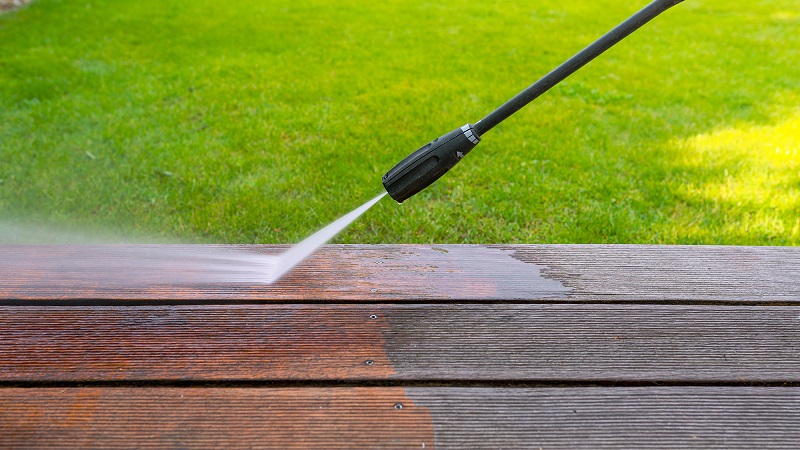
It’s oddly satisfying, isn’t it? Watching years of grime vanish in a single sweep. That’s the magic of pressure washing when it’s done properly.
But one wrong move, and you could be scrubbing out scratches instead of stains. Avoid a backyard blunder by steering clear of these classic mistakes.
Get it right, and you’ll breeze through the job with gleaming results and zero regret.
1) Using the Wrong Pressure Setting
The first rule of pressure jet washing? Respect the power behind it. One minute you’re tackling dirt, the next you’re peeling paint or cracking stone.
A high-pressure blast on timber decking can leave splinters galore. Overdo it on brick or concrete, and you might be patching up rather than cleaning. On the other hand, a weak spray on your driveway won’t even tickle the surface.
Generally, concrete needs between 2500 and 3000 PSI to get the job done. Wood calls for a gentler touch, around 500 to 1200 PSI works well.
Still, every washer behaves a bit differently, so it’s best to start on a low setting and test it on a hidden spot first.
And yes, give the manual a brief look. It’s not thrilling bedtime reading, but it can save you a costly mistake.
2) Neglecting Safety Gear
It may seem harmless, but pressure washing without proper gear is asking for trouble.
Always start with eye protection. Even small fragments can ricochet with surprising force. Durable gloves shield your hands from rough jets and chemicals, and waterproof boots help you stay upright when things get slippery.
Cover up with trousers and long sleeves to avoid scrapes and spray back. In addition, be especially cautious with electrics. Keep cables and sockets dry, and opt for weatherproof tools whenever possible.
Taking a few minutes to gear up isn’t just about safety. It helps you focus on the task at hand rather than worrying about cuts, bruises, or worse. The result? A cleaner, calmer experience all round.
3) Ignoring Surface Preparation
Think of surface prep like priming a canvas—it sets the stage for the main act.
Start by sweeping up leaves, soil, and loose debris. These not only get in the way but can also damage your washer if they sneak inside. If you’ve got plants, lights, or furniture nearby, cover them to shield against water or detergents.
Furthermore, take a moment to inspect the area for cracks, chips, or weakened patches. These are especially vulnerable to high pressure, and one careless blast could make matters worse. Deal with repairs beforehand to avoid turning a small problem into a major fix.
For particularly grimy surfaces, a gentle rinse helps loosen dirt before turning up the pressure. It’s quicker in the long run and gentler on the material beneath.
Preparation can feel like a faff, but it saves time, money, and frustration later.
4) Applying Inappropriate Cleaning Solutions
Not all cleaning products are created equal, and the wrong one can undo all your hard work, or worse, damage the surface.
Wooden surfaces prefer a mild detergent that lifts muck without harming the grain. Concrete, on the other hand, often needs something stronger to handle oil stains or ground-in filth.
Eco-friendly cleaners are well worth considering. They’re tough on grime but kind to the environment, and they rinse away without leaving anything nasty behind. So, look for biodegradable options where you can.
Get the dilution right too. Using too much detergent can leave a sticky residue that traps more dirt and makes your efforts short-lived. Follow the mixing instructions, and always test on a small section before going full throttle.
Pick your products carefully, and your pressure washing will shine, not just literally, but ethically too.
5) Overlooking Maintenance of Equipment
A neglected pressure washer is a ticking time bomb. Without regular upkeep, it can go from reliable workhorse to frustrating mess in no time.
Check your hoses, nozzles, and filters before each use. Small cracks or blockages can mess with spray patterns and reduce cleaning power. If something looks dodgy, replace it right away.
After cleaning, give your machine a proper rinse inside and out. Residual detergent or grime can clog the system or cause corrosion. Store it somewhere dry and sheltered to avoid rust and cold damage.
Petrol-powered models also need their oil levels checked regularly. A well-oiled machine runs more smoothly and lasts longer.
A bit of routine care extends your washer’s lifespan and keeps everything clean, quick, effective, and hassle-free.
6) Pressure Washing in Direct Sunlight
It’s tempting to get stuck in when the sun’s out, but high temperatures are not ideal for pressure washing.
Surfaces heat up fast under direct sunlight, which makes water and detergent dry too quickly. Instead of lifting the dirt, your cleaning solution might evaporate mid-job, leaving streaks and patchy finishes.
To avoid this, aim to wash early in the morning or later in the afternoon. Cooler air helps cleaning agents soak in and work their magic. If timing isn’t on your side, create some shade using tarpaulins or canopies.
The result is a more even, thorough clean with fewer do-overs. Planning your wash around the weather is a small tweak that pays off in pristine surfaces.
7) Holding the Nozzle Too Close
Standing too close with the nozzle is one of the easiest ways to ruin a perfectly good surface.
Water jets can be deceptively sharp. Get too near, and you might gouge timber, strip paint, or even etch permanent marks into stone. Fixing that kind of damage can be costly—not to mention annoying.
Hold the wand around 15 to 30 centimetres from the surface, depending on the material. Move it steadily and keep it in motion, sweeping side to side like you’re painting a fence. This stops pressure from concentrating in one area.
Beyond that, start with a wide spray for general cleaning, then narrow it down only when you need to target stubborn patches.
If it all feels a bit too delicate or tricky, hiring a patio cleaning pro could be money well spent. Sometimes, a bit of help goes a long way.
Conclusion
Pressure jet washing seems simple, but the results speak for themselves when done right.
Avoid the common pitfalls, prep your space properly, and treat your kit with care. A bit of thought goes a long way.
And when the patio gleams, the driveway sparkles, and your neighbours do a double take? That’s when you know it was worth every drop.













Comments