
 By
By 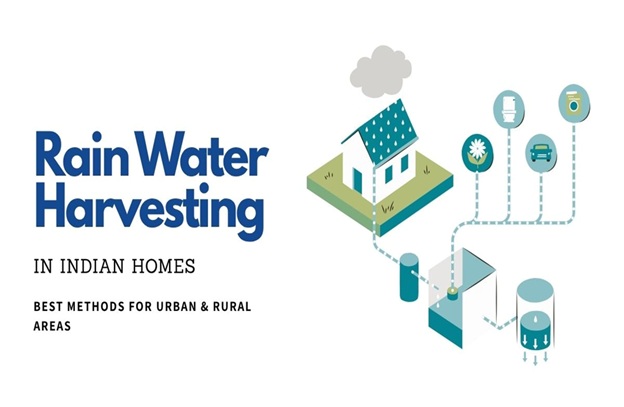
Why Harvest Rainwater?
In many parts of India, water shortages are a serious worry – be it cities or villages. Rainwater harvesting isn’t just a fad that is catching on – it is a way of a sustainable lifestyle that is being taken seriously. Rainwater harvesting isn’t a new concept- water harvesting techniques have been a part of ancient civilisations for centuries.
In today’s times, when ecological preservation is being highlighted, cities like Chennai, Bangalore and Indore have rainwater systems already in place in many homes. This not only provides water security but also prevents rainwater run-off, flooding, soil erosion and spoiling of road infrastructure. This blog will give a detailed account of some of the most effective water harvesting methods
How It Helps Indian Homes
Education begins at home- so does conservation. Many Indian homes are adopting rainwater harvesting methods as a means to overcome water shortage and conserve water for non-consumption uses. Its benefits include-
- Cutting down water bill: Stored rainwater can be used for gardening, toilets, or washing vehicles.
- Less strain on groundwater: Overusing underground sources lowers the water table over time.
- Eco-friendly approach: It reduces run-off, soil erosion, and flooding during heavy rains.
- Better self-sufficiency: Especially in rural and small-town India, people with tanks or borewells can fall back on this when tubewells dry up.
Rainwater Harvesting Methods
Here are the most common rainwater harvesting methods seen in Indian homes:
- Rooftop harvesting: Collect water from your roof and channel it into storage tanks or recharge pits.
- Surface runoff harvesting: Channels rainwater from open spaces or slopes into recharge wells.
- Check dams or percolation ponds: Especially rural areas, these trap water to refill the groundwater.
- Recharge pits or trenches: Dig small pits filled with gravel and stone near your house to let water seep into the ground.
These are practical water harvesting techniques you can adapt based on your space and needs.
Best Water Harvesting Methods for City Homes
Even in a small Kolkata flat or Mumbai bungalow, you can set up effective systems:
- Rooftop harvesting with overhead tanks:
- Fit gutter pipes on your roof to channel water into a storage tank.
- Use first-flush devices—these discard the first few litres of rain (cleaning roof screens).
- Then connect to a plastic or cement tank, around 1,000–5,000 litres depending on your needs.
- Recharge pits below terrace:
- If you can’t store water, push it underground.
- A pipe from your rooftop gutter leads to a pit (1x1m) filled with layers of stone, gravel, and sand.
- This drops water directly to recharge underground aquifers- one of the safest water harvesting techniques for tight city spaces.
- Reuse for gardening and washing:
- Connect taps or pipes from your tank to the terrace or balcony garden.
- Use rainwater directly in plants or to clean floors.
Water Harvesting Methods in Rural Areas
Villages often enjoy more open land, ideal for traditional systems:
- Percolation trenches or soak pits:
- Dig trenches along farm boundaries.
- Fill with gravel and topsoil.
- As water runs, it gets absorbed slowly, boosting your groundwater.
- Recharge wells:
- A deeper version of soak pits—3 to 5 feet wide and 10–20 feet deep.
- Filled with broken bricks and gravel.
- Directs rainwater into deeper layers underground.
- Small check dams or bunds:
- Build tiny embankments or bunds across sloping land.
- These trap surface flow, creating mini ponds that slowly seep into the ground.
These rural water harvesting techniques help refill groundwater naturally.
How to Set It Up – Step by Step
- Plan your catchment: Better rooftop area = more water you can harvest.
- Gutters and downpipes: Fix reliable pipes that won’t leak or overflow.
- Filter or first-flush: A simple mesh or bottle cut-out to remove leaves, dust.
- Storage tank or recharge pit: Decide storage vs seepage based on your space.
- Outlet tap: For your planter pots or cleaning areas.
- Overflow channel: When your tank fills, let excess water flow into recharge pit or garden.
- Clean it once a year to remove accumulated silt or blockages.
Maintenance & Common Mistakes
- Clogged gutters or pipes: Check them every few months.
- Dirty tanks: Clean sediments yearly; it keeps your water clean.
- No recharge system under overflow: Water will just flow away, not seep.
- Ignoring sealing gaps between roof and channels; leaks lead to losses.
Cost Of Setting Up
- A rooftop harvest + tank for 3,000 litres costs roughly INR 7,000–15,000 depending on materials.
- Recharge pit alone costs INR 2,000- 4,000.
- In villages, a soak trench is even cheaper- it costs just labour and gravel.
Rainwater harvesting in Indian homes is no longer a niche idea – it’s smart living. Whether you live in a cramped flat or a large farm, there’s a water harvesting method that fits.
Start with something small – maybe just a rooftop tank. Next monsoon, you’ll notice the tank fill up, your plants happy, and your taps running without that pressure drop. And that’s a small step toward a more reliable water future.
FAQs
- Can I use rainwater in the city? Isn’t it dirty?
Yes, you can! The first few litres of rain (which usually clean the dust off the roof) should be discarded using a “first-flush” system. After that, the water is surprisingly clean and can be used for gardening, mopping, even flushing toilets if you set up a basic filter. - I live in a small flat. Is rainwater harvesting still possible for me?
Definitely. Even a 200 sq. ft. terrace can collect a decent amount of rainwater. You can connect a pipe to a drum or tank, and use it for balcony plants, cleaning, or just reducing dependence on municipal supply. Every drop helps. - What’s the easiest water harvesting method for villages?
In most villages, soak pits or percolation trenches work best. They’re affordable and don’t need fancy materials. Just dig a trench near the house or field, fill with gravel and stones, and let the water seep in slowly to recharge the ground. - Do I need a plumber or expert to build a rooftop rainwater system?
Not always. A local plumber or mason can set it up easily if you explain what you want. Most systems just need pipes, a tank or pit, and a basic filter. Some cities even have DIY kits now. Just keep it simple and practical. - How much water can I save?
Surprisingly, a lot. A 1000 sq. ft. roof can collect over 25,000 litres of water in a good monsoon! That’s water you don’t have to pull from a borewell or buy in tankers. Even in small setups, you’ll notice a big difference over time. - Will this help with borewell recharge in rural areas?
Yes, especially if you use recharge wells or soak pits. Rainwater slowly reaches underground aquifers, which helps your borewell stay active longer, especially during summer. Many farmers in Maharashtra and Karnataka now do this as a routine. - Is it expensive to set up a rainwater harvesting system?
Not at all. A basic setup with pipes and a drum costs INR 2,000–5,000. A recharge pit can be made for less than INR 4,000 in most places. Even large tank systems don’t cross INR 15,000 unless you go fancy. The cost pays off quickly in savings and fewer water headaches.














Comments