
 By
By 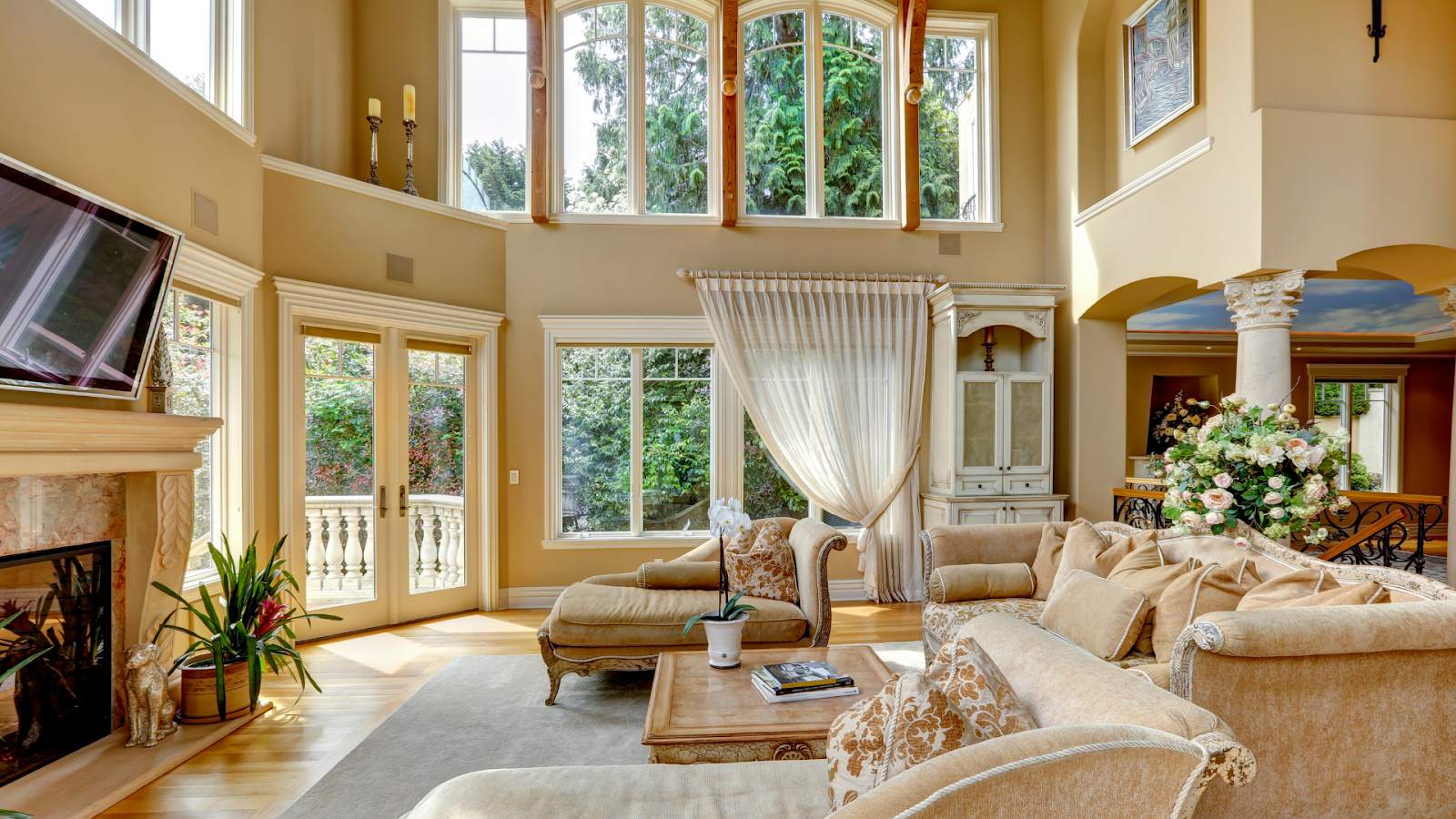
The conversation around luxury design has shifted dramatically in recent years. Once synonymous only with opulence and exclusivity, luxury architecture is now expected to be as forward-thinking as it is beautiful. With climate change reshaping our world, architects, designers, and developers face the challenge of creating homes and civic spaces that not only radiate elegance but also withstand increasingly volatile weather patterns.
Today’s luxury architecture stands at the intersection of innovation, sustainability, and resilience. This new paradigm embraces both timeless style and robust protection, ensuring that buildings serve as sanctuaries in an uncertain climate future.
The Rising Urgency of Climate Resilient Design
Extreme weather events are no longer rare occurrences. From hurricanes battering coastal areas to wildfires in once-temperate regions, architects are tasked with designing for resilience. Floods, droughts, heat waves, and high winds are shaping the way we plan urban and residential spaces.
For luxury projects, the stakes are particularly high. Owners expect properties to maintain value, deliver comfort, and preserve their structural integrity regardless of environmental stressors. As a result, resilient architecture has become not only a sustainability issue but also a hallmark of smart investment.
Materials That Withstand the Elements
One of the most direct ways architects are addressing resilience is through material selection. High-performance materials, once reserved for commercial or industrial use, are increasingly being integrated into luxury projects.
- Impact-resistant glass protects against high winds and flying debris, while also offering panoramic views without compromising safety.
- Reinforced concrete and steel framing provide stability in flood or seismic zones.
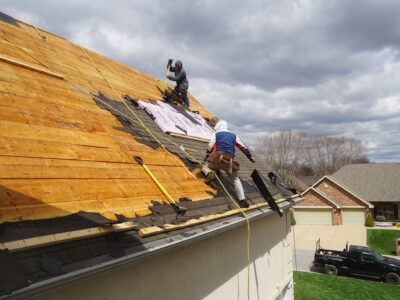
- Fire-resistant cladding and roofing are being specified more often in regions vulnerable to wildfires.
- Moisture-resistant composites and treated wood help prevent mold and decay in humid climates.
The careful choice of finishes and structural elements ensures that homes and civic spaces maintain their allure while offering long-lasting durability.
Designing for Water Management
Water is both a life source and a destructive force. Rising seas, heavy rainfall, and flash flooding are among the most pressing concerns for architects. Resilient design increasingly incorporates strategies to manage water gracefully.
Elevated foundations, for example, are being used not only in coastal villas but also in inland residences near rivers or wetlands. Green roofs and rain gardens help absorb stormwater, reducing strain on municipal systems. Sophisticated drainage systems, permeable paving, and landscaped swales ensure that water is directed safely away from structures.
These approaches do more than protect property. They add aesthetic and ecological value, reinforcing the idea that resilience can be as beautiful as it is practical.
Harnessing the Power of Renewable Energy
Another hallmark of climate-resilient design is energy independence. Traditional luxury homes often relied on sheer size and mechanical systems to maintain comfort, but modern projects integrate renewable energy as a central design principle.
Solar panels, geothermal heating and cooling, and high-efficiency HVAC systems are now standard in many luxury builds. These features reduce reliance on fossil fuels while ensuring a home can operate even if local grids falter during extreme weather events. Battery storage systems and microgrids add another layer of security, turning residences into self-sufficient powerhouses.
In this way, luxury architecture embraces sustainability not as an afterthought but as a core element of design.
Indoor Comfort Amid Extreme Conditions
Resilience extends beyond withstanding external forces; it also means safeguarding indoor comfort. Passive design strategies are playing a renewed role in modern projects.
- Cross-ventilation and natural airflow reduce dependence on mechanical cooling during heat waves.
- High-performance insulation and glazing keep interiors temperate during both hot and cold extremes.
- Shading devices, louvers, and deep overhangs mitigate solar gain while adding architectural distinction.
These elements, combined with smart home technology, allow residents to enjoy seamless comfort no matter the climate outside.
Blending Sustainability With Luxury
A common misconception is that resilience and sustainability require sacrificing luxury. In reality, today’s most visionary projects prove the opposite: sustainability enhances exclusivity.
Clients increasingly seek homes that are as environmentally responsible as they are striking. Designers respond with organic materials, biophilic elements, and innovative construction methods that highlight both natural beauty and ecological stewardship.
This evolution ensures that luxury residential architecture is defined not only by grandeur but also by a commitment to preserving the planet for future generations.
The Future of Luxury and Resilience
Looking forward, climate-resilient luxury design is likely to become the standard rather than the exception. Civic spaces, cultural landmarks, and private residences will all embody principles of adaptation, durability, and sustainability.
What will set projects apart is not only their capacity to endure but also their ability to inspire. Architecture that blends resilience with artistry reaffirms humanity’s creative capacity to thrive in harmony with nature.
Luxury architecture is undergoing a quiet revolution. Where once the focus was on sheer scale and extravagance, the new emphasis is on endurance, sustainability, and thoughtful integration with the environment. From material innovation and water management to renewable energy and passive design, the blueprint for tomorrow’s luxury projects is rooted in resilience.
In the face of climate uncertainty, true luxury lies in spaces that protect, inspire, and endure.








Comments