
 By
By 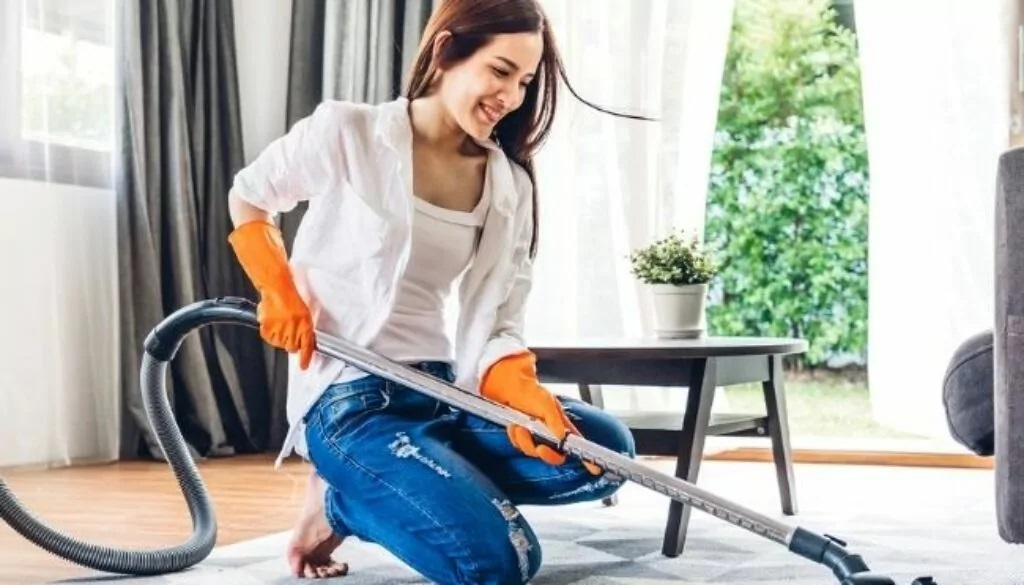
Every year, people with allergies fear the incoming dreaded pollen season. Sure, pollen is vital for the survival of all plants. But for humans with allergies, it’s not fun at all. Hay fever symptoms are terrible to live with or manage overall.
So, how does a person go about ensuring their comfort and well-being during pollen season?
Here are some simple tips and hacks to help you with just that. Read on below and discover how to retain an allergy-free home even amidst the most active periods of the pollen season.
Understanding Pollen Allergy
Hay fever is the common term for pollen allergy. It is a condition where your immune system goes berserk when exposed to greenery. The size of a single pollen grain is almost microscopic, so you cannot see it. However, you will definitely feel its effect.
If you start sneezing nonstop or your eyes itch and tear up excessively, they are likely to blame. Moreover, if your nose becomes completely blocked, it’s the same reason.
These symptoms usually intensify during spring and early summer. That’s when plants produce the most pollen.
Those tiny spores stick to your clothes and hair without you even noticing. Simple activities, like taking a walk around the block, are how you attract them.
Knowing what specific kind triggers your allergies is absolutely vital. Note down your symptoms, along with when and where they showed up, so you can match them with pollen types and levels.
That way, you can successfully pinpoint the root cause of the problem and avoid it. The weather also plays a role here. Airborne allergens float through the air in higher counts on windy and dry days.
Seal Windows and Doors
Your windows and doors must be completely sealed to keep those minuscule yet mighty grains out. Check them for cracks or gaps. If you find any, use weather stripping or caulk to block them.
Weatherstripping works best for movable openings, like windows and doors, while caulk is more suitable for holes on fixed surfaces. This is quite crucial, especially in older homes where fittings and fixtures could have worn out over time.
It is also a good idea to install window screens that keep out even the smallest particles. Look for those labelled allergy-friendly for the best results. Clean these screens regularly to remove stuck-on dirt that makes them less effective.
When pollen levels are high, keep your doors shut, especially if it is windy outside. You can also add door sweeps at the bottom of the outer side to block all entry sites that those pesky grains can slither through.
If you have an outdoor shed that you use for storage, give it the same treatment. After securing all holes and gaps, use airtight containers to keep pollen off your belongings.
Do not forget to regularly check and maintain those seals and screens to keep your home pollen-free during peak season.
Invest in High-Quality Air Filters
High-performance HEPA filters, in particular. They can literally change your life if you struggle with allergies and asthma.
Firstly, their mesh traps pollen allowing only clean air to flow through. Oh, and the same goes for pet dander and dust. Install them on your HVAC system, and you’ll remove these airborne allergens from your home.
Just make sure to take into account the size of your residence first.
Filters are classified based on their particle-capturing abilities. This is otherwise known as the MERV rating. Those with a rating of at least 8 are good enough in most cases. However, the ones rated between 10 and 13 are what to go for if you have terrible hay fever symptoms.
Portable air purifiers can also be extremely useful. This is particularly so in your bedroom, where the presence of allergens can be especially concerning.
Make sure the one you are considering comes with a HEPA filter and is suitable for the room size to guarantee optimal performance and a good night’s rest.
As for their upkeep requirements, you just need to replace them regularly. Over time, filters can become blocked and lose efficacy. You need to swap them out every one to three months, depending on your usage.
You can use digital reminders to keep track of those dates and ensure that your home remains safe and comfortable.
Regular Cleaning Routines
Fighting off allergies begins with a strong cleaning regimen. First off, vacuuming and mopping should be weekly activities.
Be sure to use microfibre cloths to effectively wipe off dust. Additionally, find a cleaner that has no harsh chemicals that can possibly trigger your allergies.
A vacuum fitted with a HEPA filter is going to be incredibly effective.
First, focus on frequently used areas and soft surfaces. This means focusing on couches and carpets as well. That’s where different types of allergens tend to settle. Go over every surface multiple times to ensure everything’s clean.
Alternatively, you can wash soft surfaces.
Wash your bedding and drapes in really hot water every couple of weeks. This will keep pollen grains and dust mites to a minimum.
Deep cleaning carpets and upholstered furniture also helps eliminate allergens. Furthermore, you will notice improved air quality, too.
If this is too much work for you, find qualified cleaning services in your local area that can do all the hard work for you.
Clutter accumulates aggravating particles too, so make it a habit to tidy up regularly.
To limit exposed surfaces that attract pollutants, store your belongings in cabinets or containers. This keeps your surroundings neat and orderly, which is always a welcome bonus.
Limit Outdoor Exposure
This might be obvious, we know. However, it is wise to stick to indoor activities during pollen season. Especially in the early mornings or on windy days.
You can do some yoga right at home instead of going out on a jog. That way, you can stay active while avoiding the outdoors.
Make sure you consult local pollen forecasts as well. They will enable you to adjust your daily routine around external, allergy-triggering conditions.
If you really must go out at such times, then wear sunglasses and a mask to protect your eyes and nose from airborne allergens.
The minute you return home, change your clothes and throw them into a separate basket away from the main area in which you are living, so as not to create or continue an action of unwanted pollen dispersal.
Then, take a bath right away to remove any residual particles from your skin and hair.
Use Pollen-Blocking Products
You will be delighted to know that some products can keep allergens from infiltrating your home. Fine mesh window screens and door curtains can stop pollen in its tracks.
Hypoallergenic bedding and pillow covers are also quite useful in that regard. Opt for tightly woven cotton or microfiber sheets to keep aggravating particles from settling into the fine threads and disrupting your sleep.
Air purifiers with pollen filters are another must-have. They remove aggravating allergens from the air to ensure your comfort indoors. Look for those with a high Clean Air Delivery Rate (CADR) for the best outcome.
Anti-allergen sprays are quite handy too. They eliminate built-up pollen from carpets, couches, and wooden flooring. Just spray it lightly, let it dry, and vacuum the area afterwards.
You can also try out pollen-blocking clothes when you need to go outside.
Together, these proactive steps can effectively ease your allergy symptoms and turn your home into a safe haven during the pollen season.
Monitor Indoor Air Quality
These strategies will help you combat seasonal allergies. However, a little maintenance is required to guarantee their continued success.
An air quality monitor will provide real activities of such pollutants and other airborne allergens in real time. You will then know the best time and objects required for cleaning your living quarters.
If it indicates a high pollen count, you will need to do something about it. Vacuum more frequently and also increase the power of your air purifier.
Proper ventilation is also vital. But be careful not to invite pollen inside while airing out your home.
The best time to let fresh air in is immediately following rainfall. That’s because the precipitation helps minimise the amount of allergens in the air.
Once you are out of the danger zone, be sure to reinforce your window seals before pollen levels increase again.
You must pay attention to the humidity levels as well. The ideal percentage is between thirty and fifty. Anything higher can promote mould growth. That’s only going to worsen your allergy symptoms.
Lastly, installing dehumidifiers or exhaust fans in moisture-prone areas, like bathrooms and kitchens, is how you best control humidity in them.
Conclusion
Fortunately, you now know how to deal with pollen season, and you no longer have to suffer. All you need to do is secure your windows and doors, invest in reliable air filters, and use pollen-blocking products.
Try to limit outdoor activities and monitor your indoor air quality regularly as well. With these actionable steps, you can give your nose a break during peak allergy season.











Comments