
 By
By 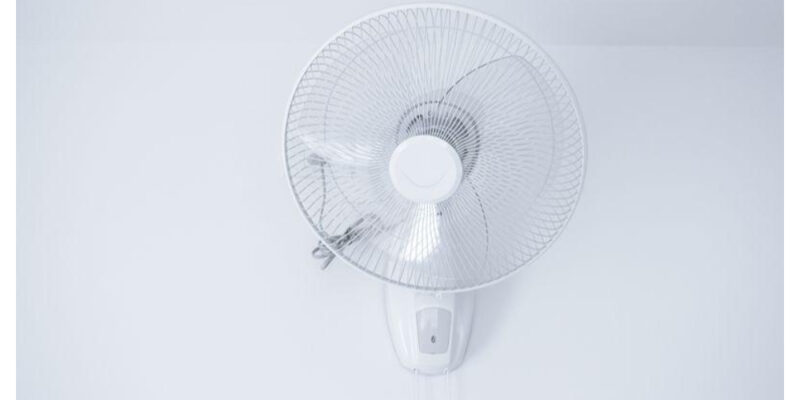
Kitchen ventilation is often discussed in terms of hoods and exhaust systems. Everyday airflow plays an equally important role in comfort and hygiene. Cooking generates heat, steam, and odours that linger if air circulation is weak. This is where a kitchen wall fan becomes a practical addition rather than an afterthought. These indicators help homeowners understand how wall fans perform in real kitchens, guiding choices that support comfort, safety, and daily use.
Airflow Output as a Core Performance Indicator
Measured by how much air the fan moves across a space, airflow directly affects how quickly heat and cooking fumes are dispersed. A kitchen wall fan with insufficient airflow may circulate warm air without actually improving comfort.
When assessing a Fancowall fan, airflow should be considered alongside kitchen size and layout. Compact kitchens may benefit from moderate airflow that maintains comfort without creating excessive wind. Larger or enclosed kitchens often require stronger circulation.
Coverage Area and Directional Control
Another key indicator is how effectively airflow is distributed. A kitchen wall fan that allows directional adjustment can address these obstacles by directing air where it is most needed.
With a Fanco wall fan, adjustable tilt and oscillation become practical performance indicators. Fans that distribute air evenly across cooking and preparation areas tend to improve comfort more consistently than fixed-direction models.
Noise Levels During Operation
In kitchens connected to dining or living areas, excessive fan noise can become distracting. A kitchen wall fan should support airflow without dominating the soundscape.
When evaluating a Fanco wall fan, listening for stable operation across speed settings provides insight into build quality and balance. Noise levels act as an indicator of long-term comfort, especially in homes where the kitchen is used throughout the day.
Energy Consumption Over Time
Energy use is a key performance indicator that affects running costs quietly in the background. A kitchen wall fan is often used for extended periods, making efficiency important even if individual usage seems modest.
Comparing a Fanco wall fan with other models involves looking at how much power is used at different speeds. Fans that maintain effective airflow without high energy draw support daily comfort without unnecessary increases in electricity consumption.
Build Quality and Durability
Durability becomes a meaningful performance indicator under these conditions. A kitchen wall fan should be constructed to handle such an environment without frequent maintenance.
For a Fanco wall fan, examining materials, grill design, and motor housing offers insight into longevity. Durable construction supports consistent performance over time, reducing the likelihood of vibration or wear that affects airflow and noise.
Ease of Cleaning and Maintenance
Maintenance requirements influence whether a fan remains effective. A kitchen wall fan designed for easy cleaning supports long-term performance.
When assessing a Fanco wall fan, removable grills or accessible blades become practical indicators. Fans that are easier to clean are more likely to be maintained regularly, preserving airflow and hygiene in the kitchen environment.
Installation Requirements and Stability
A kitchen wall fan should be securely mounted to avoid vibration and ensure stable operation. Poor installation can undermine even well-designed fans.
Considering a Fanco wall fan, checking mounting options and wall compatibility early prevents adjustments later. Stability during operation is a key indicator that the fan will perform reliably without causing concern during use.
Safety Features in Everyday Use
Safety remains a fundamental performance indicator, particularly in kitchens where heat and moisture are present. A kitchen wall fan should include protective grills and reliable electrical components.
When reviewing a Fanco wall fan, safety features should be viewed as baseline expectations rather than optional extras. Fans that operate predictably under daily conditions contribute to peace of mind alongside comfort.
Long-Term Performance Consistency
A kitchen wall fan that performs well across airflow, noise, and usability over time delivers real value. Performance should remain stable rather than declining quickly after installation.
Evaluating a Fanco wall fan through this lens shifts focus from short-term impressions to sustained everyday performance. Consistency is often what separates a useful appliance from one that is rarely switched on.
Conclusion
Choosing the right wall fan for a kitchen becomes clearer when guided by measurable performance indicators rather than assumptions. A kitchen wall fan should deliver reliable airflow, manageable noise levels, and ease of use within the realities of daily cooking. Considering a Fanco wall fan through indicators such as airflow, coverage, energy use, and maintenance helps homeowners make informed decisions that hold up over time. By watching these metrics, kitchens can remain more comfortable, practical, and pleasant spaces to work in.
If you are rethinking kitchen airflow, visit Sense N Bedeck and take a moment to observe when heat and steam build up most today.









Comments