
 By
By 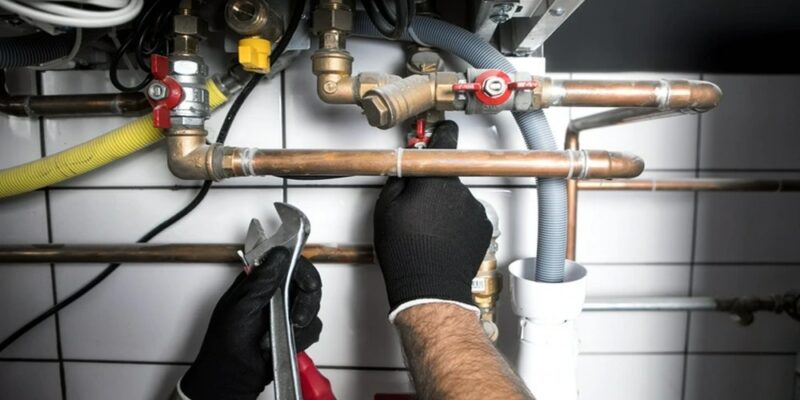
Most Australians don’t think about plumbing fittings until something goes horribly wrong. A burst pipe at three in the morning changes that perspective pretty quickly. So does a slow drip that’s quietly rotting the wall cavity. These small metal or plastic connectors do far more than simply join pipes together. They determine whether your home’s water system runs like a dream or becomes a nightmare that costs thousands to repair.
Material Matters More Than You’d Think
Brass fittings dominate Australian plumbing for good reason. They handle our hard water without degrading. This matters enormously in areas like Perth or Adelaide where mineral content runs high. Plastic fittings seem tempting because they’re lighter and easier to work with. But they’ve got a nasty habit of becoming brittle under UV exposure. If you’ve ever replaced garden tap fittings that crumbled in your hands, you’ve experienced this firsthand. Stainless steel offers the best corrosion resistance. Coastal properties particularly benefit from this, where salt air accelerates deterioration.
The Temperature Swing Problem
Here’s something most homeowners miss. Plumbing fittings expand and contract with temperature changes. In Queensland’s summer heat, a black pipe on your roof can reach extreme temperatures. Then it drops dramatically overnight. Cheap fittings develop micro-cracks from this constant movement. Eventually, those hairline fractures become actual leaks. Quality fittings incorporate design features like compression rings and flexible seals. These accommodate movement without failing.
Thread Engagement Gets Overlooked
Plumbers talk about thread engagement like it’s sacred. They’re not wrong. A fitting needs adequate thread rotations to seal properly. Less than that creates gambling with water damage. The problem is that budget fittings often have inconsistent threading. You might get proper threads on one and insufficient on another from the same packet. This inconsistency means some connections hold beautifully. Others leak from day one.
Pressure Rating Confusion
Not all plumbing fittings handle the same water pressure. Australian homes typically run at standard pressure levels. Some areas see significant spikes though. Installing fittings rated for lower pressure creates weak points in your system. When pressure surges occur, these become the failure points. The fitting itself might look identical to a higher-rated version. The wall thickness and internal structure differ significantly.
Galvanic Corrosion Sneaks Up
Connect copper pipe to galvanised steel using the wrong fitting. You’ve just created a battery. The two dissimilar metals react with water acting as an electrolyte. This causes accelerated corrosion at the junction. Dielectric unions exist specifically to prevent this electrochemical reaction. Many DIY jobs skip them though. The result shows up months or years later as mysterious leaks that seem to come from nowhere.
The Compression Fitting Trick
Compression fittings work brilliantly when installed correctly. There’s a knack to it though. Over-tightening crushes the olive ring and actually reduces the seal quality. Under-tightening leaves gaps. The sweet spot sits somewhere between these extremes. You can feel it if you know what you’re looking for. Quality compression fittings forgive installation errors better than cheap ones. They use softer, more forgiving olive materials.
Nobody Talks About Flow Restriction
Every bend, tee, or reducer in your plumbing creates flow restriction. Stack too many fittings in series and you’ll notice reduced water pressure at the tap. Low-quality ones with rough internal surfaces make this worse. This explains why some renovated homes have worse pressure than before despite new pipes. The fittings chosen looked fine but created bottlenecks throughout the system.
Seasonal Expansion Reality
Victorian and New South Wales homes face ground movement from clay soil. This soil swells and shrinks with moisture changes. The movement stresses underground pipe connections. Rigid plumbing fittings crack under this stress. Flexible designs accommodate the movement instead. This isn’t theoretical. Insurance claims for cracked pipes spike during droughts when clay soil contracts dramatically.
Conclusion
The difference between adequate and excellent plumbing comes down to these small connectors. They’re not exciting and they’re not visible. Most people never give them a second thought. But choose poorly and you’re setting yourself up for water damage, pressure problems, and premature system failure. The extra spent on quality plumbing fittings pays back many times over in reliability and longevity.









Comments