
 By
By 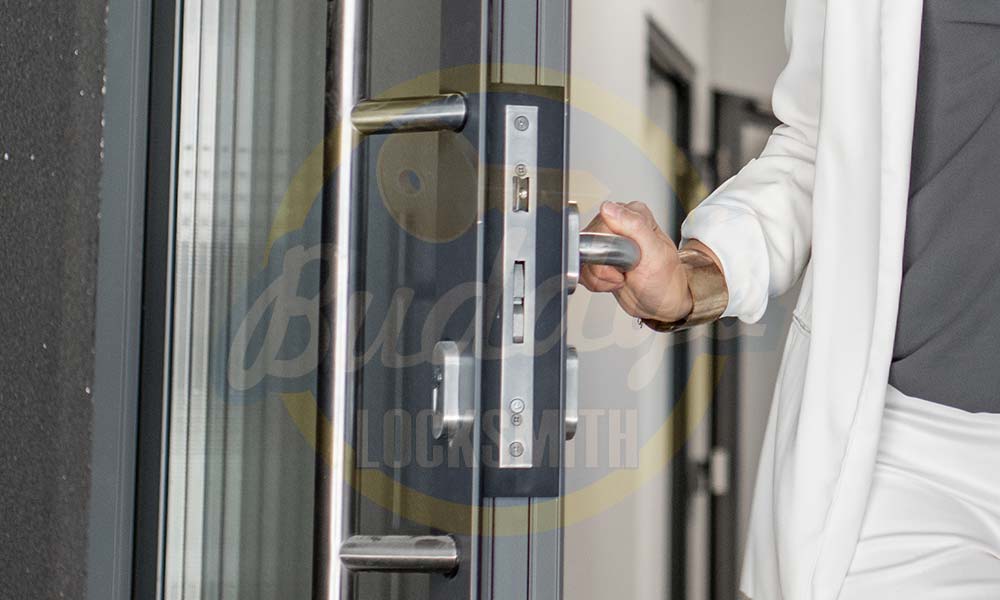
The commercial building environment in Trenton NJ continues to evolve, and entrances are playing a surprisingly influential role in that shift. Once treated as secondary components, commercial doors are now viewed as operational assets — contributing to security, accessibility, energy performance, and brand perception.
This shift has driven a noticeable rise in upgrades involving commercial doors, retrofits, and maintenance across multiple sectors.
Retail & Public-Facing Spaces Embrace Transparency and Branding
For retail and service-oriented businesses, curb appeal and visibility matter. Modern storefront doors are being specified with slimmer framing, improved glazing, and enhanced insulation.
These upgrades support:
- Visual merchandising
- Customer engagement
- Daylighting strategies
- HVAC efficiency
In competitive retail corridors, entrances can influence both dwell time and foot traffic conversion — subtle metrics that matter in commercial real estate.
Accessibility Expands Beyond Minimum Standards
ADA retrofits once focused on compliance checkboxes; now the emphasis includes user experience. Automatic systems are increasingly specified as standard rather than optional in healthcare, education, and municipal spaces.
Because hands-free entry enhances both accessibility and convenience, facilities are bringing automatic doors into everyday design thinking rather than reserving them for specialized environments.
Industrial & Institutional Facilities Prioritize Durability
Industrial facilities, warehouses, and public institutions lean toward performance-oriented materials such as hollow metal doors. Their resistance to impacts, compatibility with panic/fire hardware, and extended lifecycle make them ideal for high-duty environments.
Security considerations also play a role, particularly in buildings where access control and fire separation zones must work together.
Maintenance Becomes Predictive Rather Than Reactive
Historically, door repair was treated as a reactive task — something triggered by failure. Today, property managers are adopting preventive and predictive maintenance practices. Regular checks of closers, hinges, weather-stripping, and access hardware reduce emergency downtime and extend product lifespan.
This approach is especially relevant for door systems supporting code compliance, ADA accessibility, or high foot traffic.
Local Market Dynamics in Trenton NJ
Because many buildings in Trenton NJ reflect a blend of age and use type, commercial doors Trenton projects often involve modernization within existing envelopes. Rather than tearing out entire systems, facilities frequently mix strategies: minor repairs for functionality, strategic replacements for compliance, and targeted ADA retrofits.
This modular upgrade style minimizes disruption while improving performance.
Bottom Line
Whether the goal is energy efficiency, accessibility, durability, or visual branding, commercial entrances are emerging as strategic upgrade points in Trenton’s commercial properties. And as expectations rise, so does the value of smarter door specifications and ongoing maintenance practices.









Comments