
 By
By 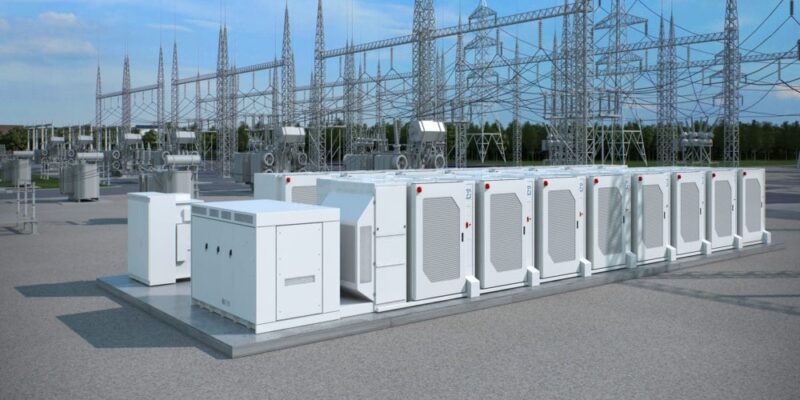
Battery energy storage EPC becomes essential when you need reliable ways to balance renewable generation with grid demands. These systems store excess energy during high production periods and release it when supply falls short or prices peak. A dedicated battery energy storage EPC contractor manages the entire process, ensuring the system integrates smoothly without unexpected issues. Knobelsdorff serves in this capacity on projects in Minnesota, delivering full execution for utility-scale solar paired with storage.
You encounter grid operators requiring storage to provide services like frequency regulation and voltage support. Without proper EPC coordination, interconnection delays can push timelines back months. Early involvement from the contractor helps align design with utility standards from the start.
Addressing Climate Impacts in Battery Energy Storage EPC
Minnesota winters test battery performance in ways southern projects rarely face. Cold temperatures slow chemical reactions inside cells, cutting available capacity until the system warms. In battery energy storage EPC, you incorporate active thermal management, such as enclosure heating and circulation, to maintain optimal operating ranges.
Site layouts also adapt to frozen ground and snow loads. Foundations get designed with deeper embeds or insulated pads to handle frost heave. Knobelsdorff builds these considerations into its renewable projects, keeping systems operational through seasonal extremes.
Coordinating Interconnection in Battery Energy Storage EPC
Interconnection studies often reveal capacity limits on nearby lines or substations. You work through utility requirements for protective relaying, fault current contributions, and anti-islanding controls. A battery energy storage EPC contractor runs detailed models to demonstrate compliance before breaking ground.
In hybrid solar-plus-storage setups, the system must handle both generation curtailment prevention and standalone discharge. Timing the battery charge from solar output maximizes round-trip efficiency. Knobelsdorff executed this approach in their Marshall utility-scale solar array and BESS project, coordinating the full build to meet grid specifications.
Managing Scale and Timeline Pressures
Utility-scale BESS projects involve large containerized units that arrive in phases. You sequence deliveries to match civil work progress, avoiding storage costs or weather exposure. Electrical integration includes medium-voltage cabling runs and transformer placements that demand precise coordination.
Testing ramps up gradually. String-level checks confirm balance across modules, then move to full discharge trials under monitored conditions. This staged process catches wiring or software issues early. Knobelsdorff applies similar rigor in their storage-integrated renewables, ensuring handover meets performance expectations.
Extending Value Through Operations Support
After commissioning, you monitor key metrics like state of health and cycle counts to predict degradation. Remote diagnostics allow quick response to alerts, minimizing downtime. Maintenance contracts often tie payments to availability guarantees, incentivizing proactive care.
In northern portfolios, snow and ice management keep enclosures accessible. Regular firmware updates refine dispatch algorithms based on actual usage data. Knobelsdorff provides ongoing support for its renewable assets, drawing from project experience to sustain long-term reliability.
Battery energy storage EPC requires blending technical precision with regional knowledge. You gain advantages when the contractor understands local grid behaviors and weather patterns. Through work like the Marshall installation, Knobelsdorff shows how focused execution delivers storage that strengthens grid stability and supports renewable growth in practical terms.







Comments