
 By
By 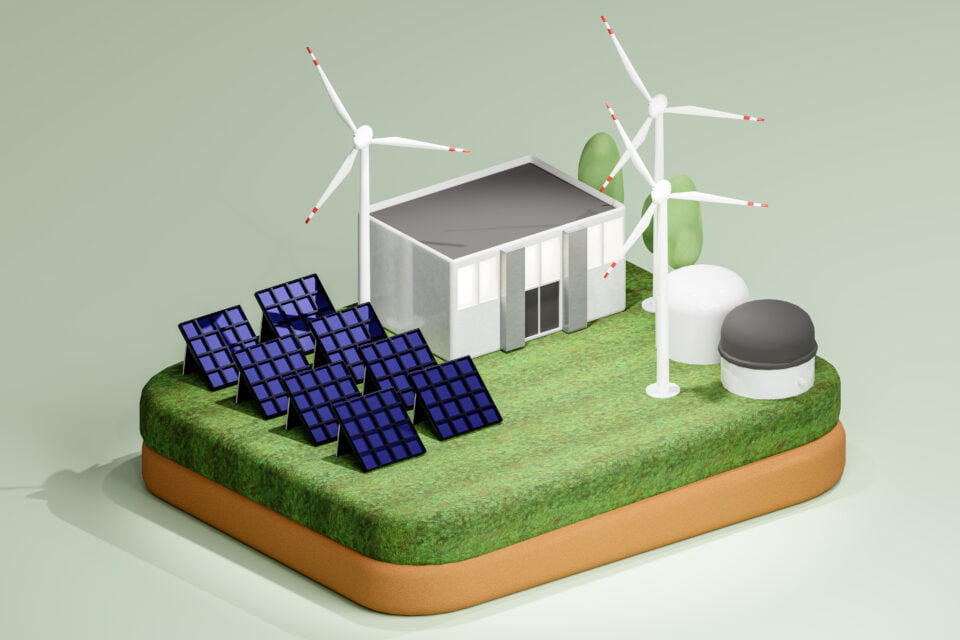
Energy efficiency is no longer just a desirable feature in buildings, it has become a necessity. With rising energy costs, stricter building regulations, and growing awareness of sustainability, property owners and developers are increasingly seeking smarter solutions. The top architects Cheshire play a central role in this shift, blending creativity with technical expertise to design homes and buildings that are efficient, comfortable, and future-ready.
Designing with orientation and light
One of the simplest yet most effective ways experienced architects Cheshire improve energy efficiency is through building orientation. By positioning living spaces to capture maximum natural light, designs can reduce reliance on artificial lighting and improve solar gain during cooler months. Careful placement of windows, shading, and glazing minimises overheating in summer, striking a balance that lowers energy use year-round.
Insulation and material choices
The materials used in construction make a significant difference to efficiency. Architects consider insulation, airtightness, and thermal mass as part of their design strategy, ensuring homes stay warm in winter and cool in summer. Modern construction materials, when specified correctly, not only improve energy performance but also reduce environmental impact by using sustainable or recycled products.
Integrating renewable technologies
An architect’s role often extends to guiding clients on renewable energy options. From solar panels and air-source heat pumps to green roofs and rainwater harvesting systems, these technologies work best when integrated seamlessly into the design. Early planning ensures that systems are not just bolted on, but become part of a holistic, efficient building strategy.
Future-proofing through regulations and innovation
Building regulations around energy performance are becoming increasingly demanding, and architects are well placed to navigate these requirements. By staying ahead of legislative changes and adopting innovative approaches, they help ensure that projects are not only compliant today but remain efficient and valuable in the years to come.
The wider benefits of efficient design
Energy-efficient architecture goes beyond reducing bills. It improves comfort by maintaining stable indoor temperatures, enhances wellbeing with natural light and ventilation, and increases long-term property value. For developers and homeowners alike, these benefits make investing in architectural expertise a practical and rewarding decision.
Conclusion
As we look to the future, energy efficiency will remain at the forefront of design and construction. Architects have the skills to balance beauty, function, and sustainability, delivering buildings that perform well for both their occupants and the planet. By involving an architect early in the process, property owners can be confident their project is designed not just for today, but for a more efficient tomorrow.










Comments